1731
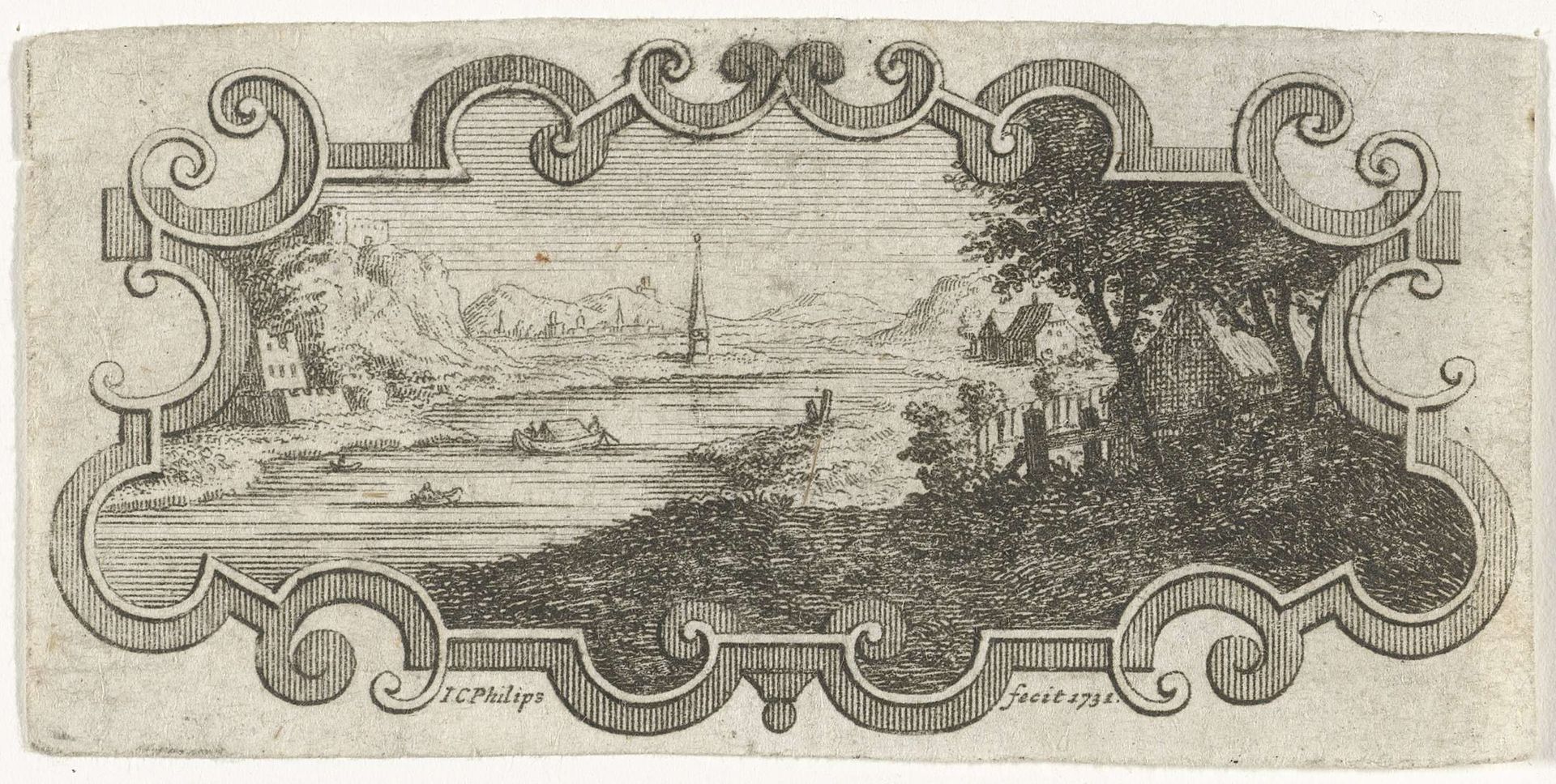
Cartouche met een landschap

Jan Caspar Philips
1700 - 1775Location
RijksmuseumListen to curator's interpretation
Curatorial notes
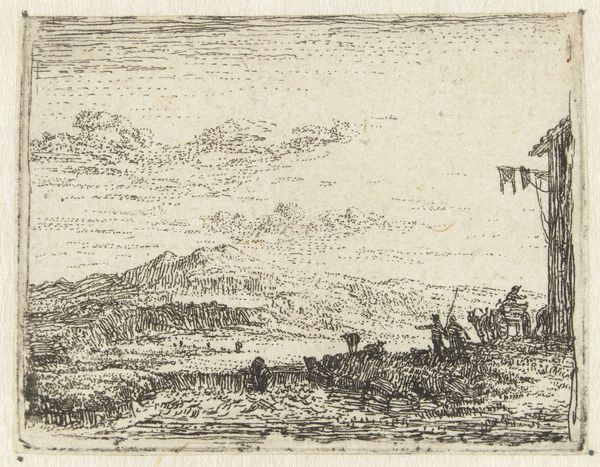
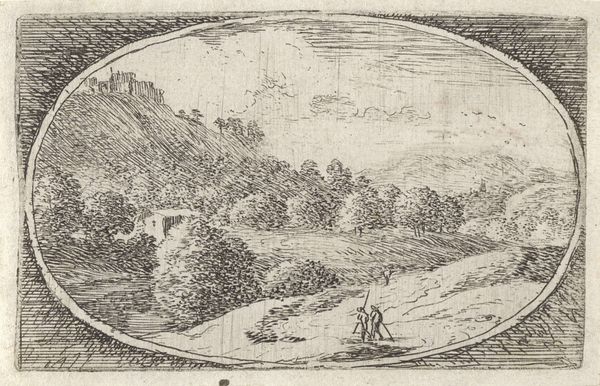
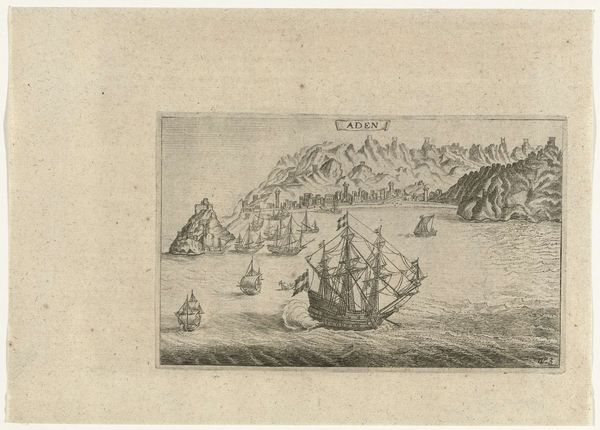
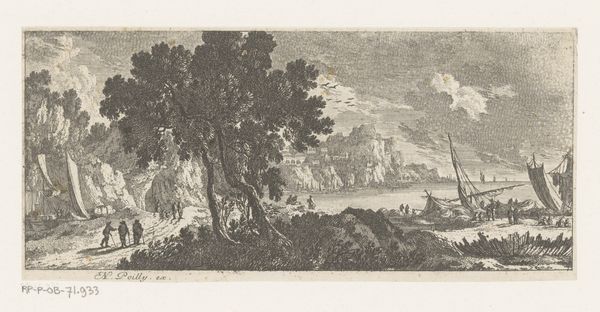
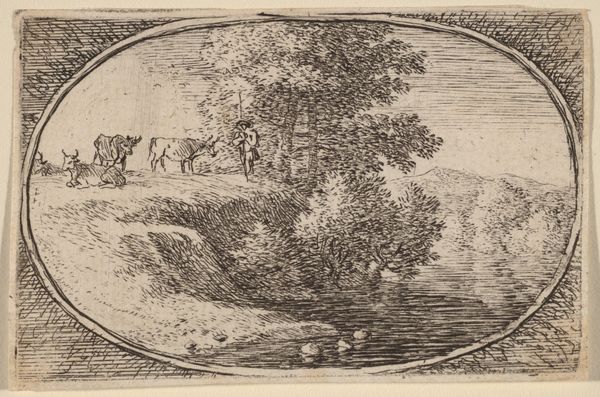
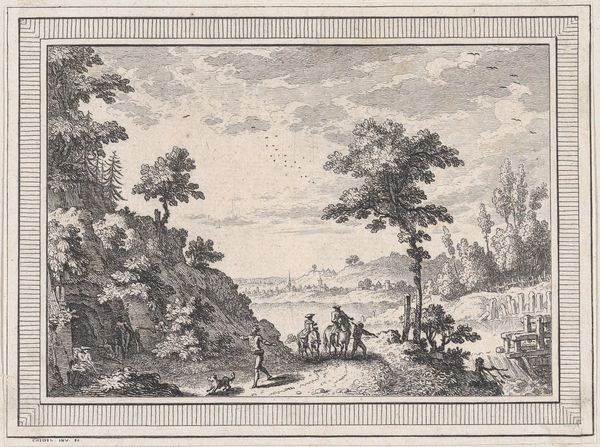
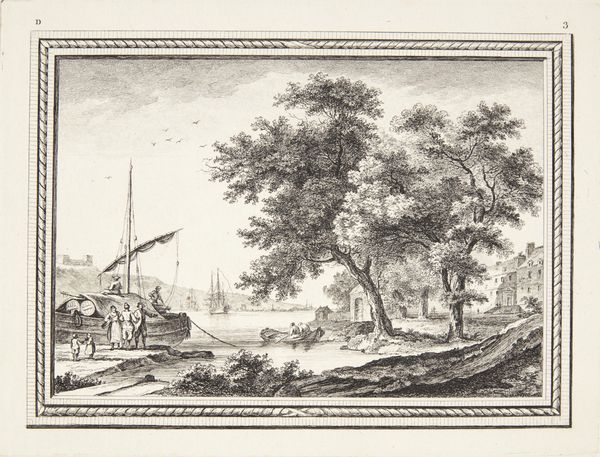
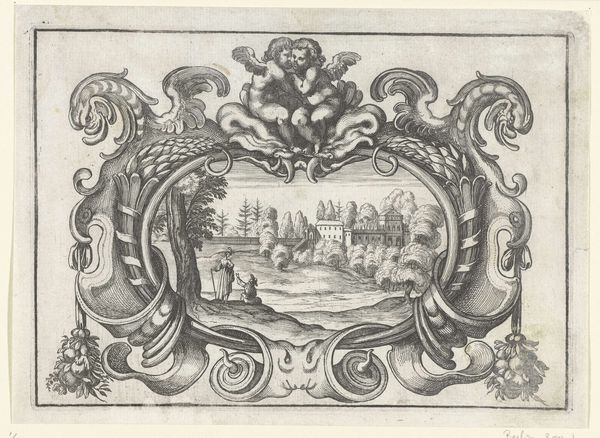
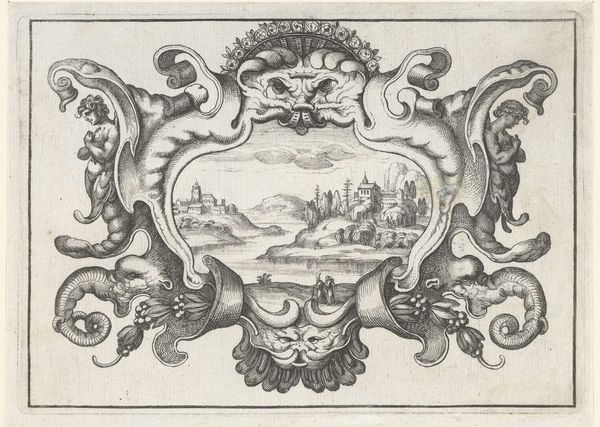
This small etching of a landscape, made by Jan Caspar Philips around 1738, presents us with an idyllic scene framed by a decorative cartouche. Within this border, watercraft, buildings, and natural formations evoke a sense of tranquil harmony. This image, while seemingly simple, echoes the classical motifs of Arcadia, a symbolic landscape representing pastoral ideals. The cartouche itself, a frame that protects and elevates its contents, harkens back to ancient Roman inscriptions. Through the ages, this form reappears—adorning maps, title pages, and architectural facades. The landscape, a powerful vessel for cultural memory, invites us to project our subconscious desires for peace and simplicity onto the scene. The image is not just a view but a stage where we play out our longings for a simpler past. The landscape depicted here continues to resurface, evolving as it carries our collective memories and desires forward.