About this artwork
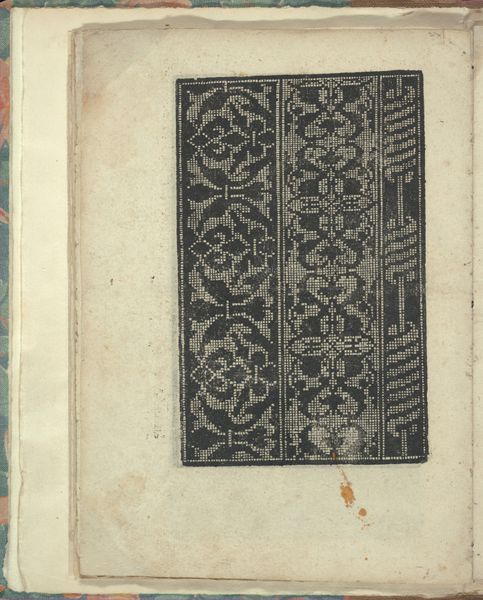
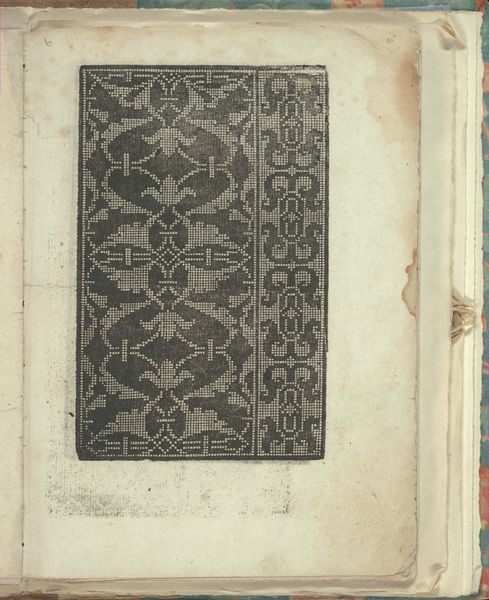
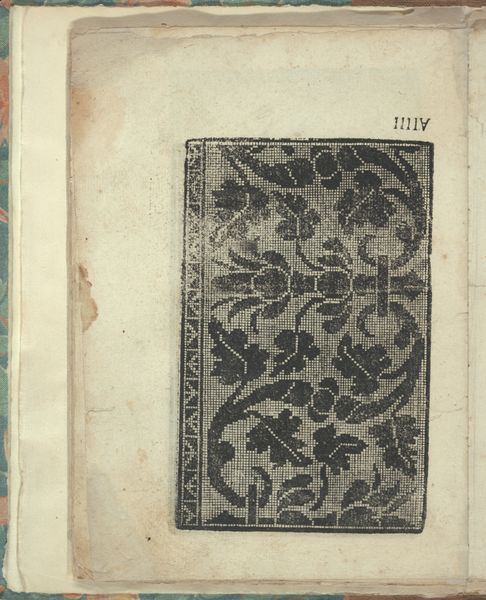
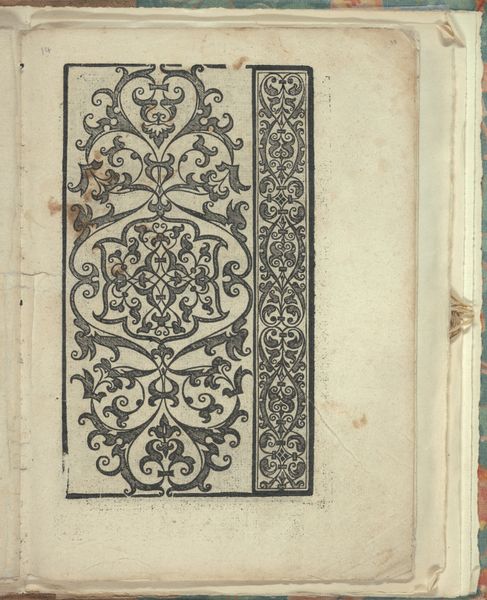
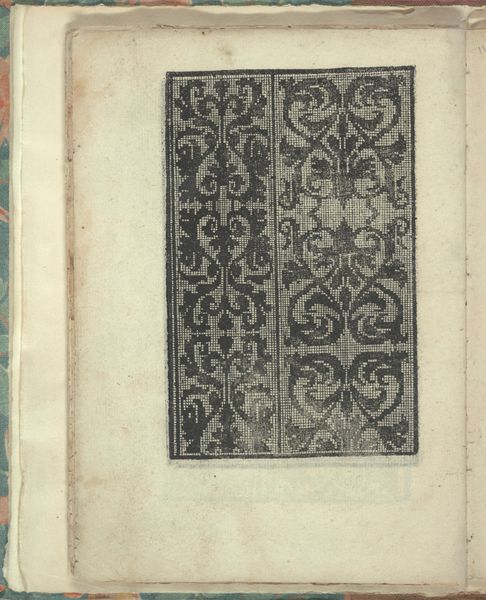
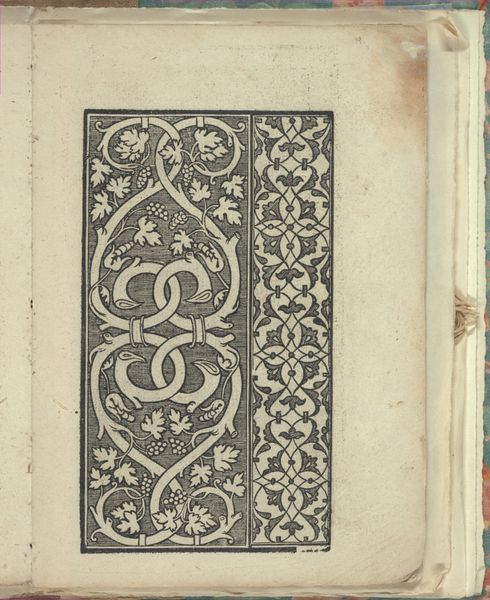
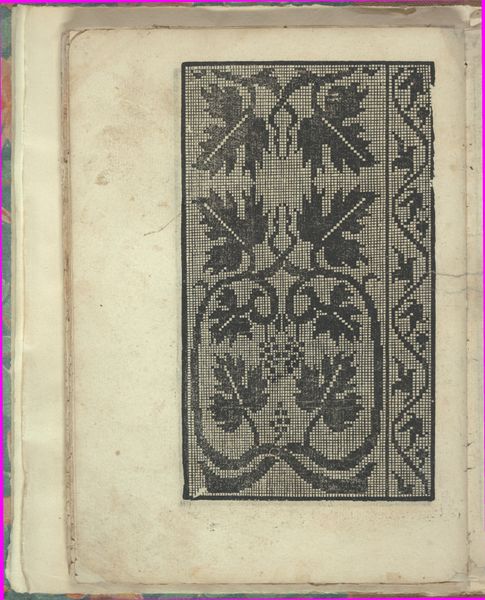
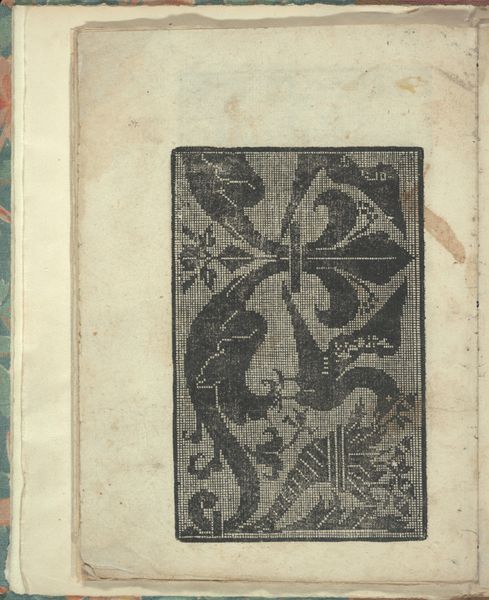
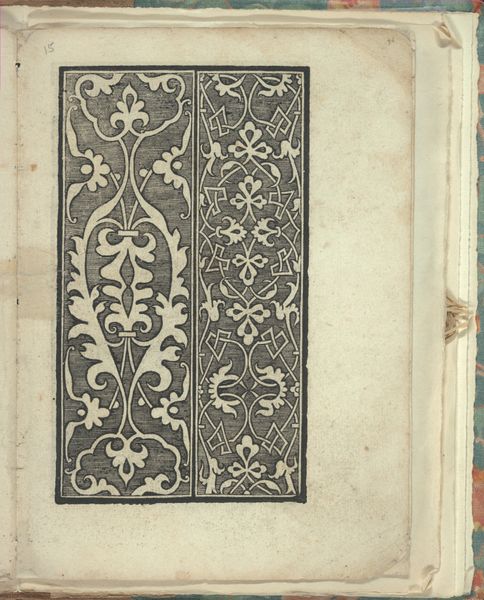
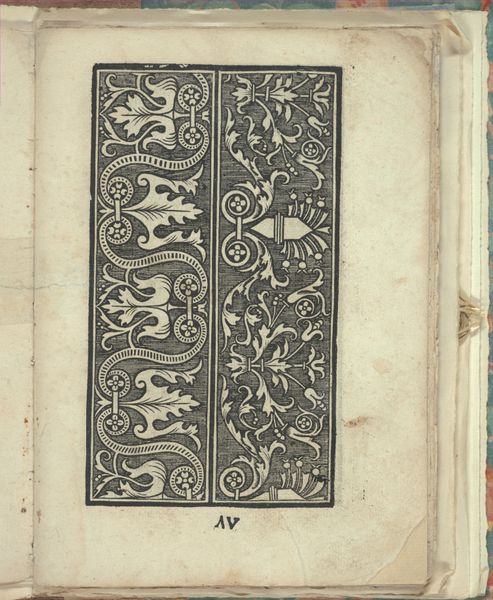
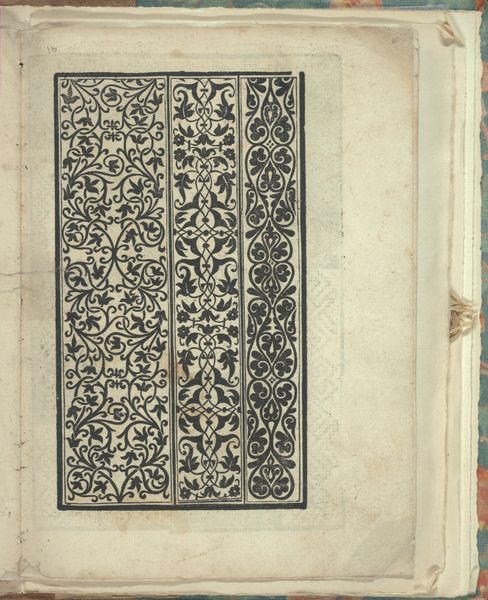
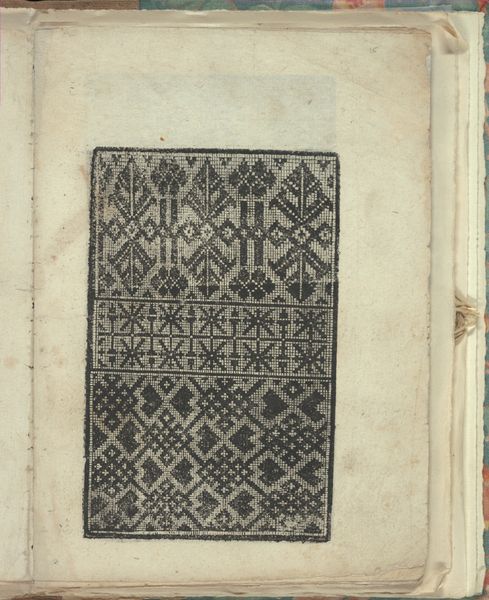
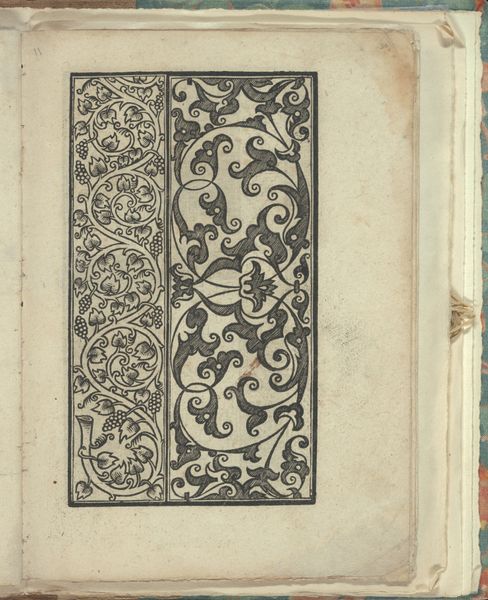
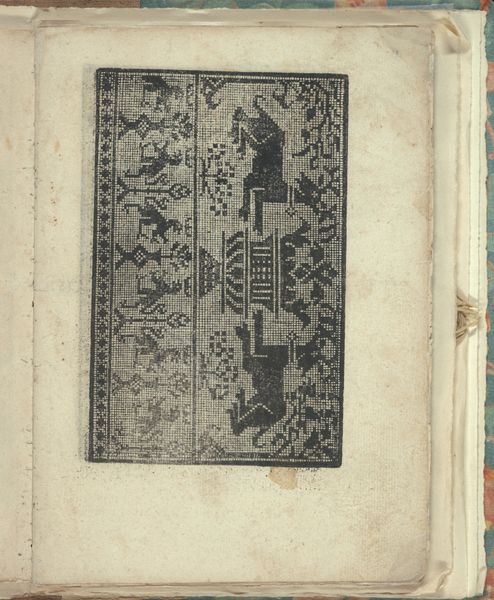
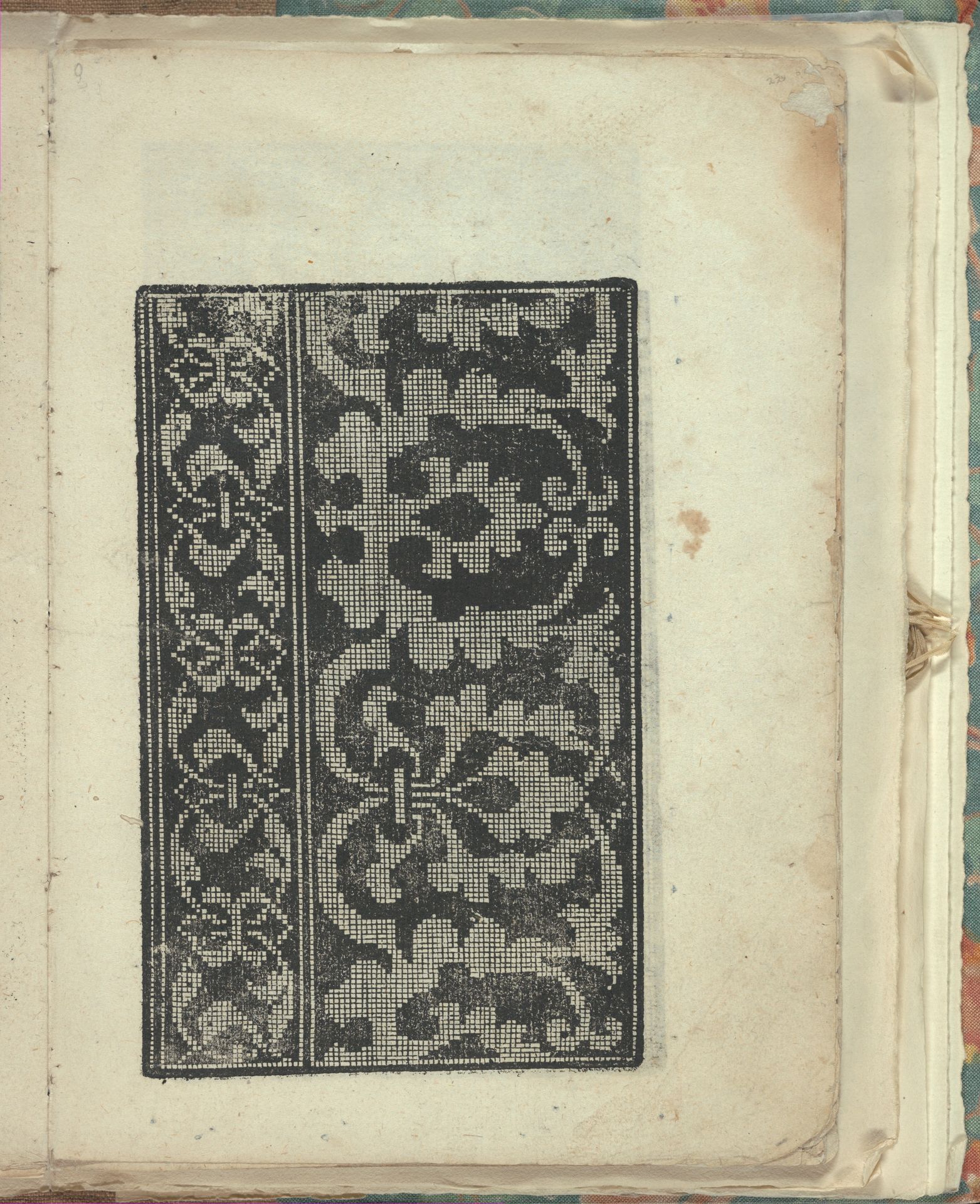
This is a page from Giovanni Andrea Vavassore's "Corona di racammi," a book of embroidery patterns printed in Venice during the 16th century. The designs are dominated by floral motifs and geometric forms, rendered in a stark, contrasting style. These patterns were not merely decorative; they were potent symbols within the cultural context of the time. The floral patterns, for instance, often signified fertility, renewal, and the cyclical nature of life. I'm reminded of similar patterns found in ancient Minoan frescoes or even in the woven textiles of the Silk Road. Yet, here, the Renaissance eye transforms these age-old motifs. What was once a symbol of pagan reverence becomes, in Vavassore’s hands, a sophisticated, courtly expression. This transformation speaks volumes about cultural memory. Motifs resurface, evolve, and take on new meanings, proving that the life of an image is indeed a journey through time.
Opera Nova Universali intitulata Corona di racammi, page 22 (recto) 1530

Giovanni Andrea Vavassore
1530 - 1573
The Metropolitan Museum of Art
Metropolitan Museum of Art, New York, NYArtwork details
- Medium
- drawing, graphic-art, ornament, print, etching
- Dimensions
- Overall: 8 7/8 x 6 7/8 in. (22.5 x 17.5 cm)
- Location
- Metropolitan Museum of Art, New York, NY
- Copyright
- Public Domain
Tags
drawing
graphic-art
ornament
etching
pattern
11_renaissance
geometric
decorative-art
italian-renaissance
Comments
No comments
About this artwork
This is a page from Giovanni Andrea Vavassore's "Corona di racammi," a book of embroidery patterns printed in Venice during the 16th century. The designs are dominated by floral motifs and geometric forms, rendered in a stark, contrasting style. These patterns were not merely decorative; they were potent symbols within the cultural context of the time. The floral patterns, for instance, often signified fertility, renewal, and the cyclical nature of life. I'm reminded of similar patterns found in ancient Minoan frescoes or even in the woven textiles of the Silk Road. Yet, here, the Renaissance eye transforms these age-old motifs. What was once a symbol of pagan reverence becomes, in Vavassore’s hands, a sophisticated, courtly expression. This transformation speaks volumes about cultural memory. Motifs resurface, evolve, and take on new meanings, proving that the life of an image is indeed a journey through time.
Comments
No comments