About this artwork
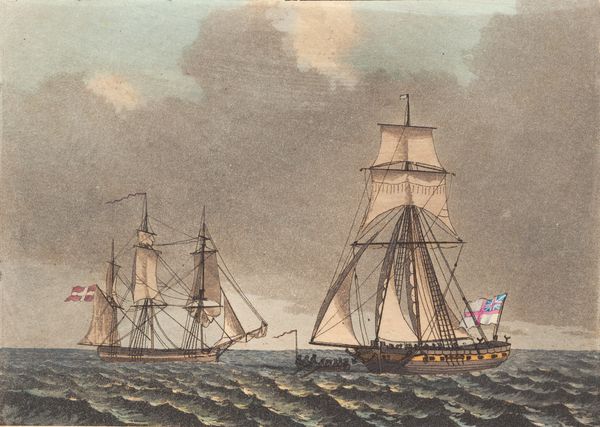
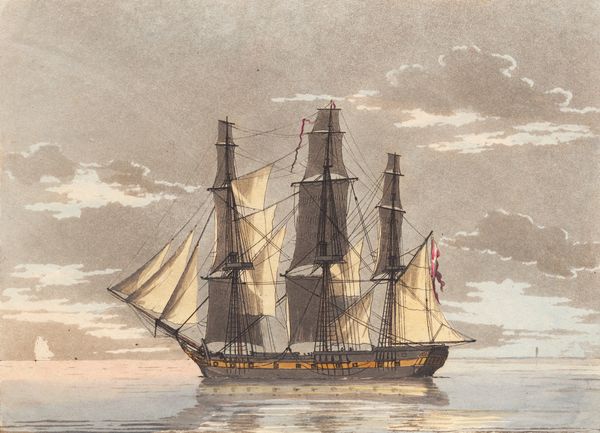
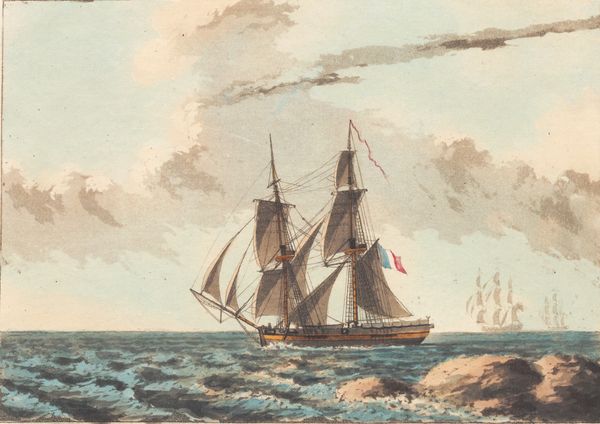
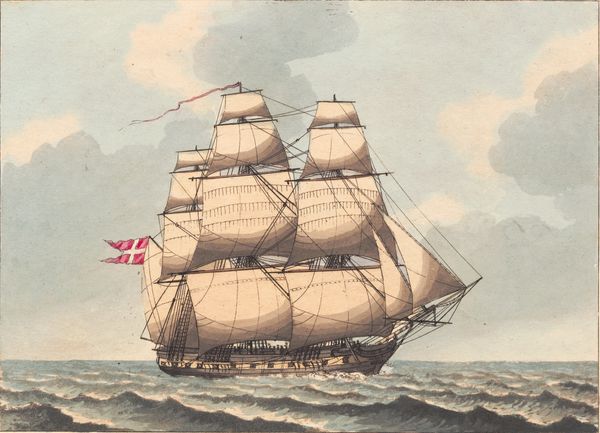
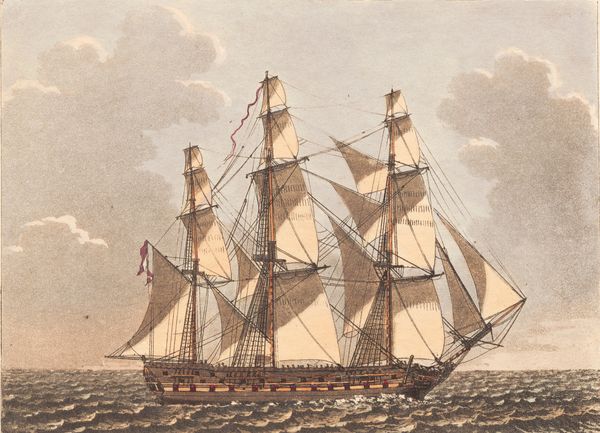
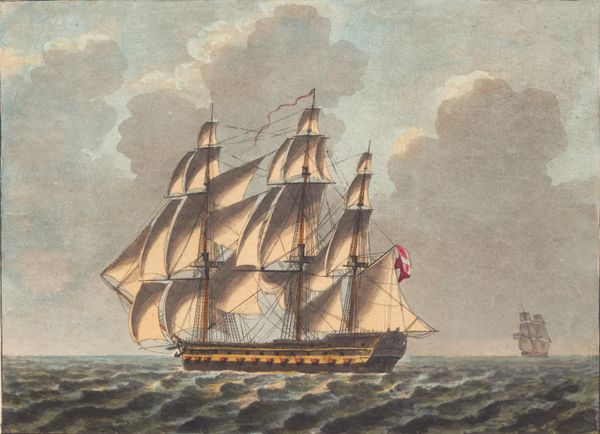
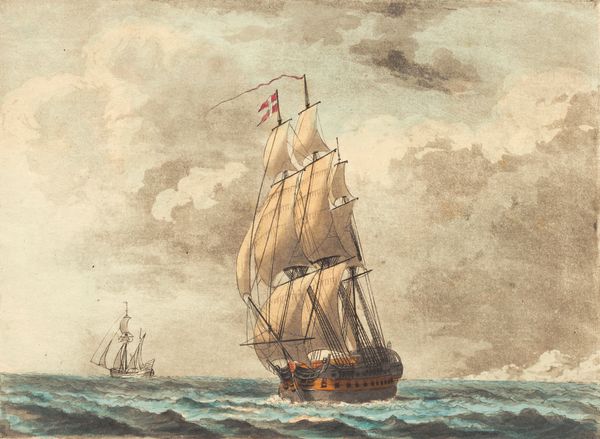
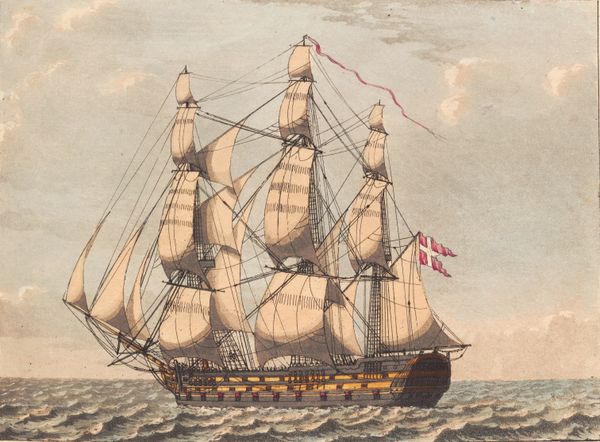
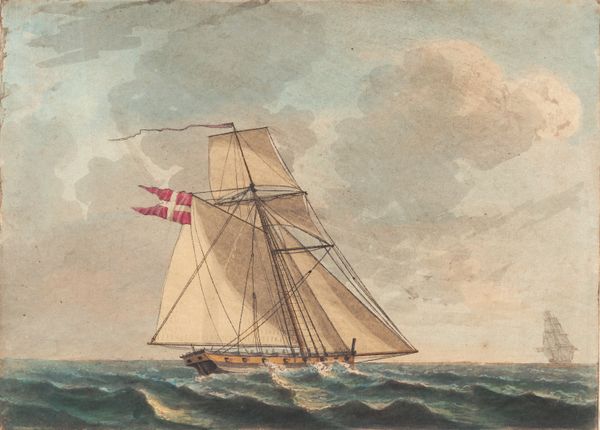
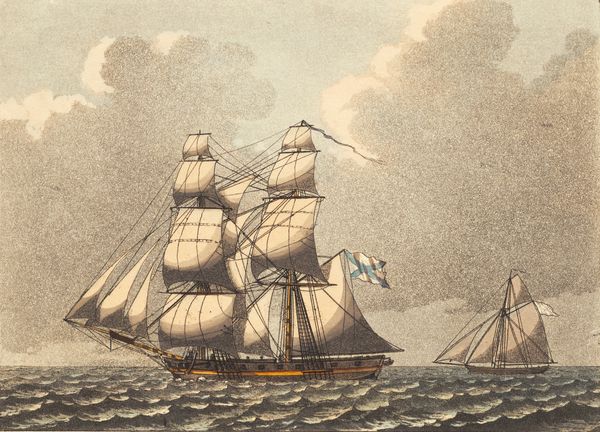
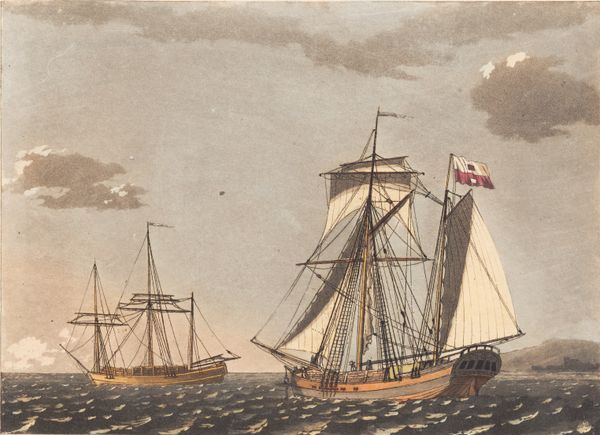
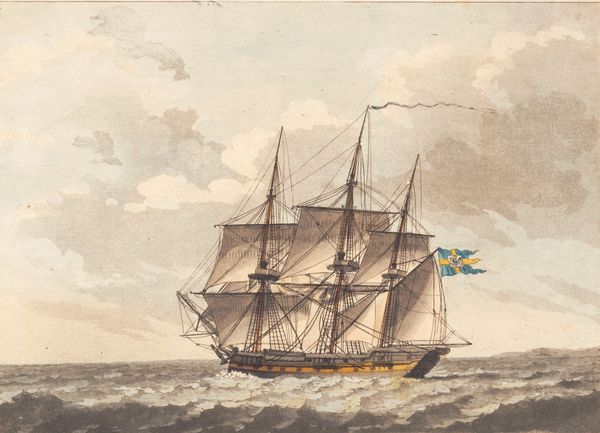
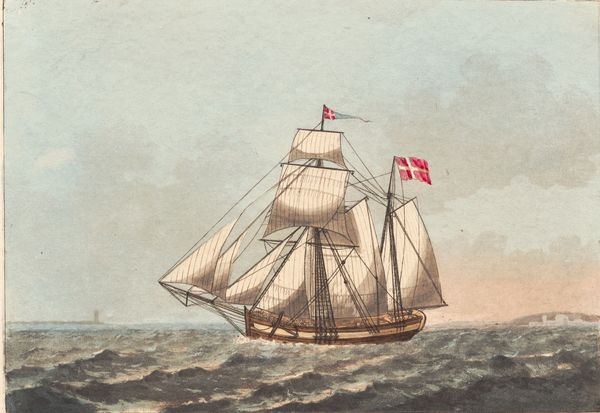
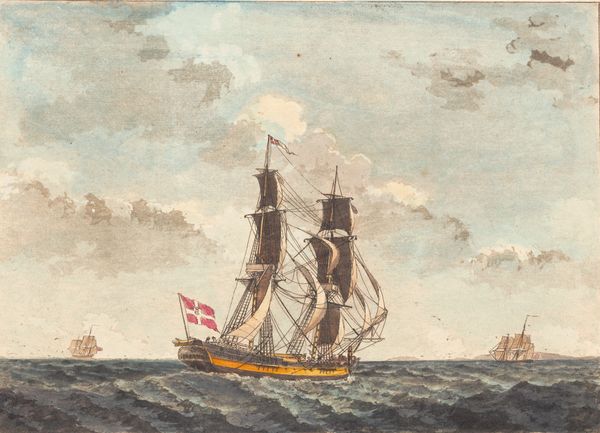
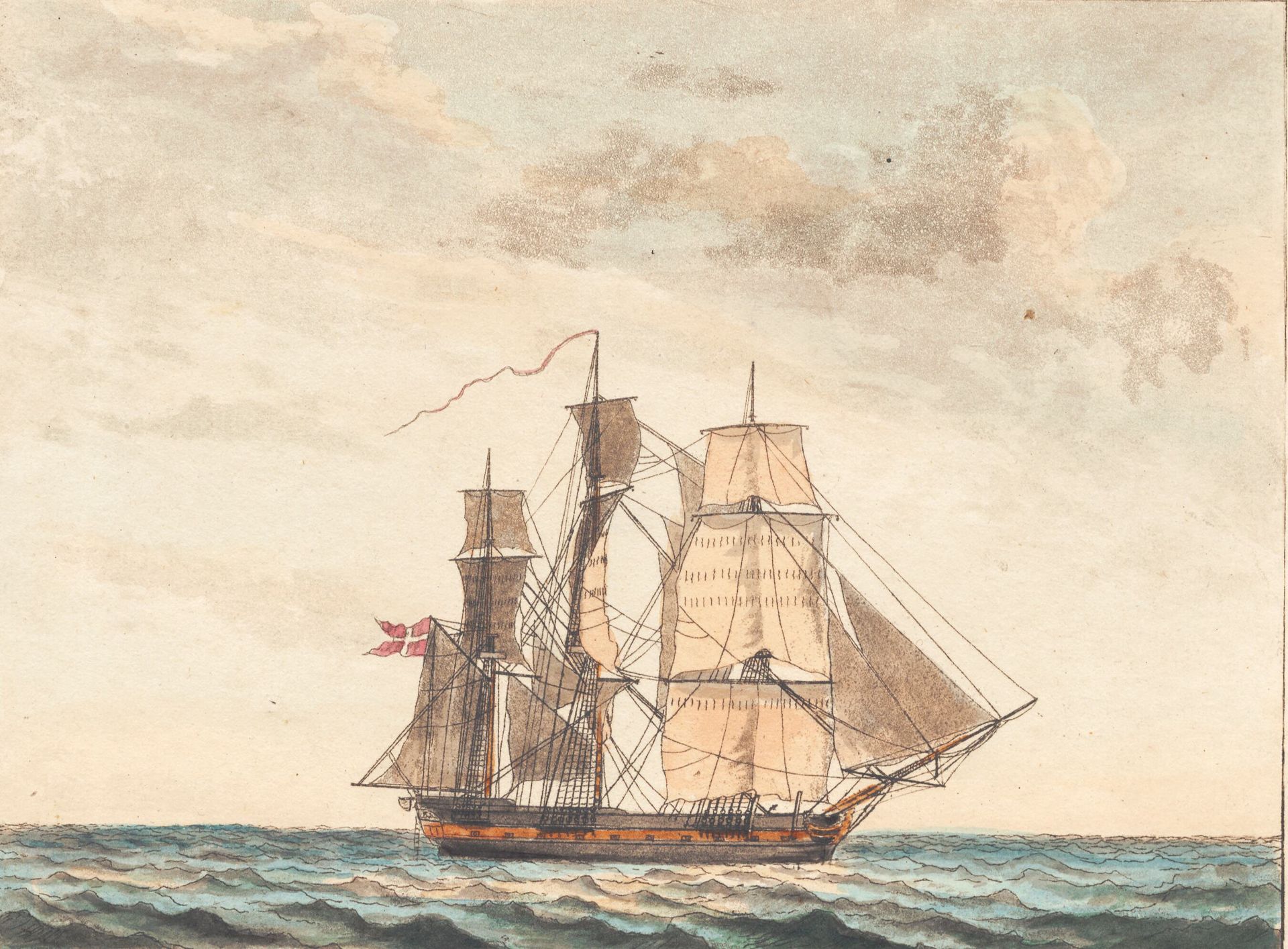
This watercolor of a Danish frigate was painted by Niels Truslew, sometime around the turn of the nineteenth century. The ship, rendered with great care, flies the Danish flag, a clear assertion of national identity in a period of intense naval competition. Denmark, strategically positioned, sought to maintain its maritime power, and images like this served a vital public role. The cultural and institutional context is crucial here. Truslew, a product of the Danish art academy, likely intended his work for display, perhaps even as a symbol of national pride. Studying such art involves delving into naval history, trade routes, and the political tensions of the era. It is important to investigate not only the artist’s intentions, but also the image's wider circulation as a form of national propaganda. By studying the cultural and institutional forces at play, we start to get a richer understanding of the role that art played in shaping and reflecting society.
En dansk fregat liggende i vending 1805


Artwork details
- Medium
- aquatint, print, watercolor
- Dimensions
- 175 mm (height) x 220 mm (width) (bladmaal), 151 mm (height) x 199 mm (width) (plademaal), 130 mm (height) x 177 mm (width) (billedmaal)
- Location
- SMK - Statens Museum for Kunst
Tags
aquatint
landscape
oil painting
watercolor
coloured pencil
romanticism
line
watercolour illustration
watercolor
Comments
No comments
About this artwork
This watercolor of a Danish frigate was painted by Niels Truslew, sometime around the turn of the nineteenth century. The ship, rendered with great care, flies the Danish flag, a clear assertion of national identity in a period of intense naval competition. Denmark, strategically positioned, sought to maintain its maritime power, and images like this served a vital public role. The cultural and institutional context is crucial here. Truslew, a product of the Danish art academy, likely intended his work for display, perhaps even as a symbol of national pride. Studying such art involves delving into naval history, trade routes, and the political tensions of the era. It is important to investigate not only the artist’s intentions, but also the image's wider circulation as a form of national propaganda. By studying the cultural and institutional forces at play, we start to get a richer understanding of the role that art played in shaping and reflecting society.
Comments
No comments