About this artwork
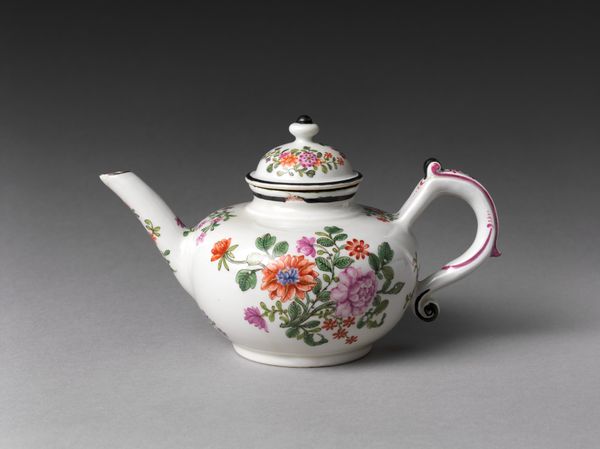
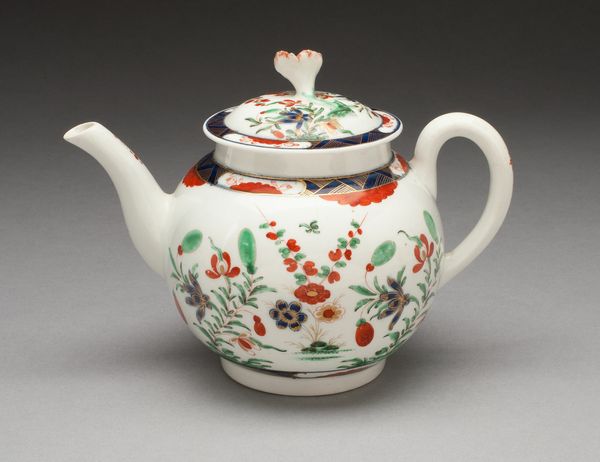
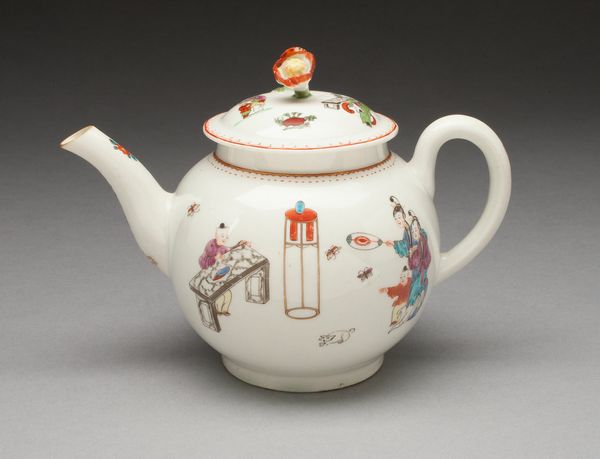
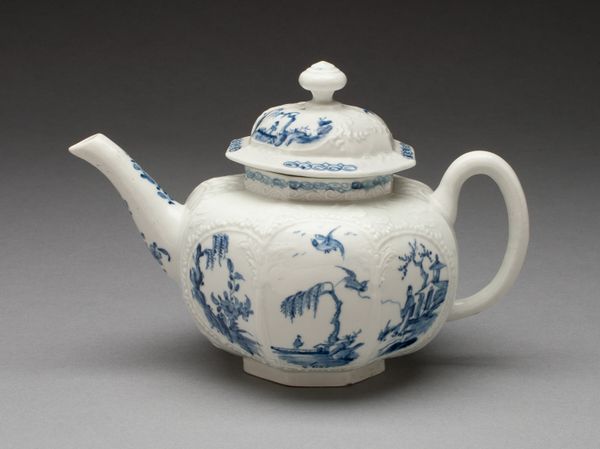
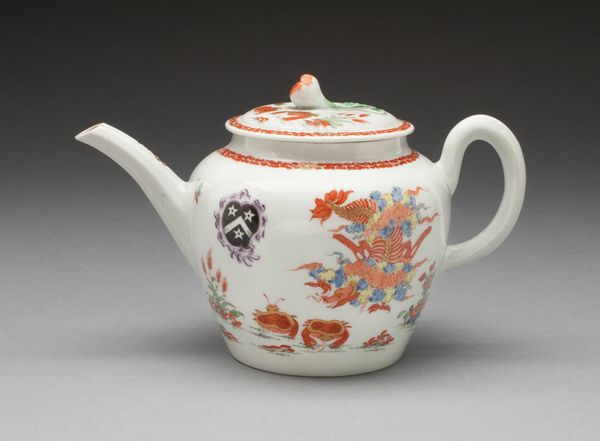
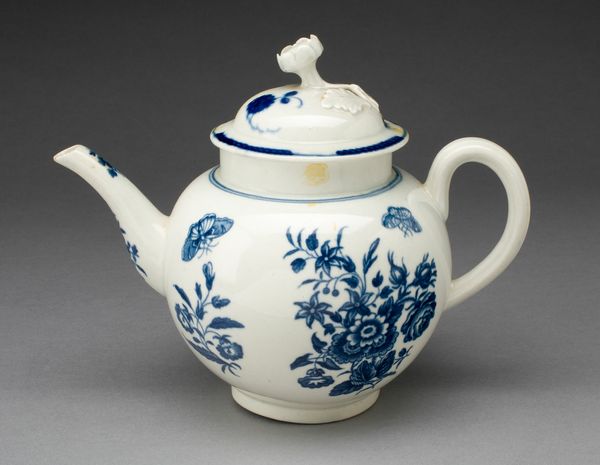
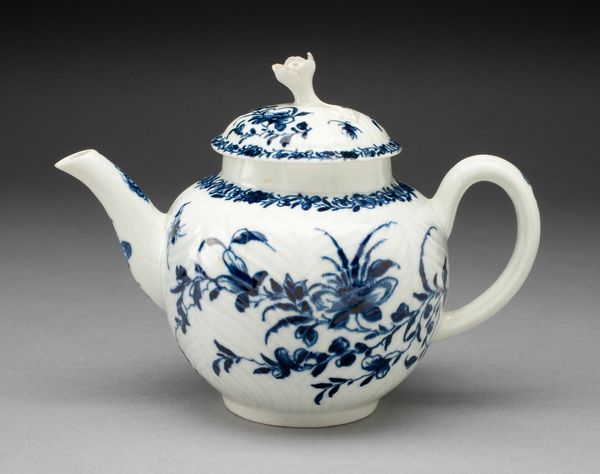
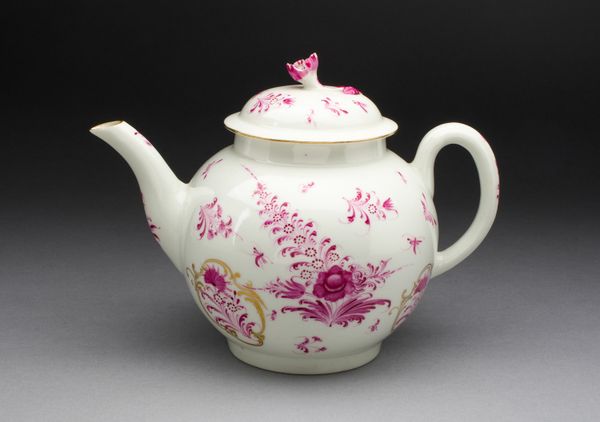
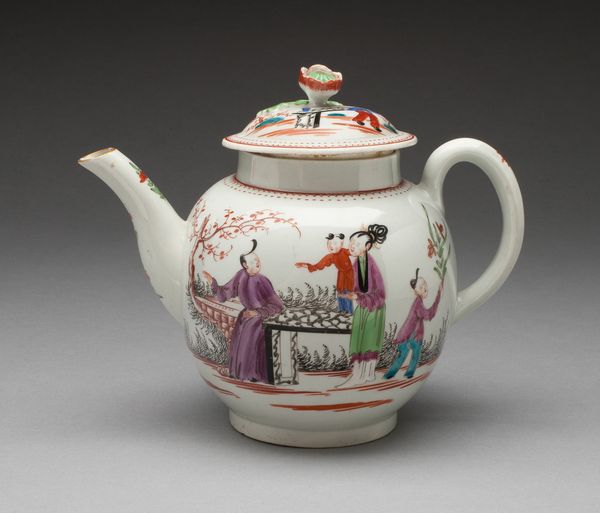
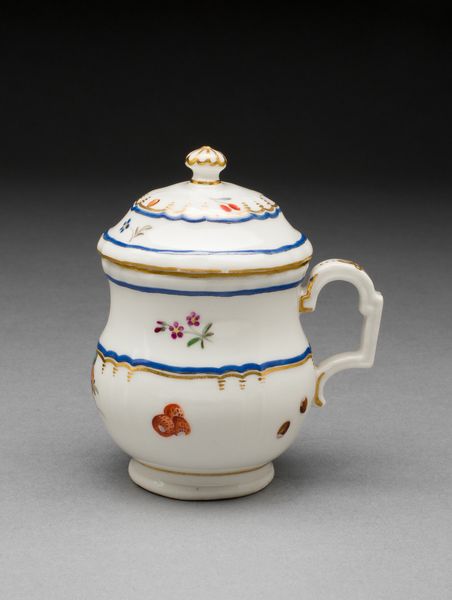
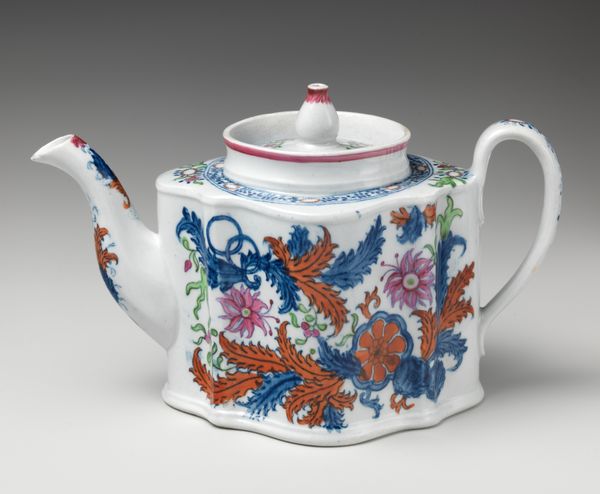
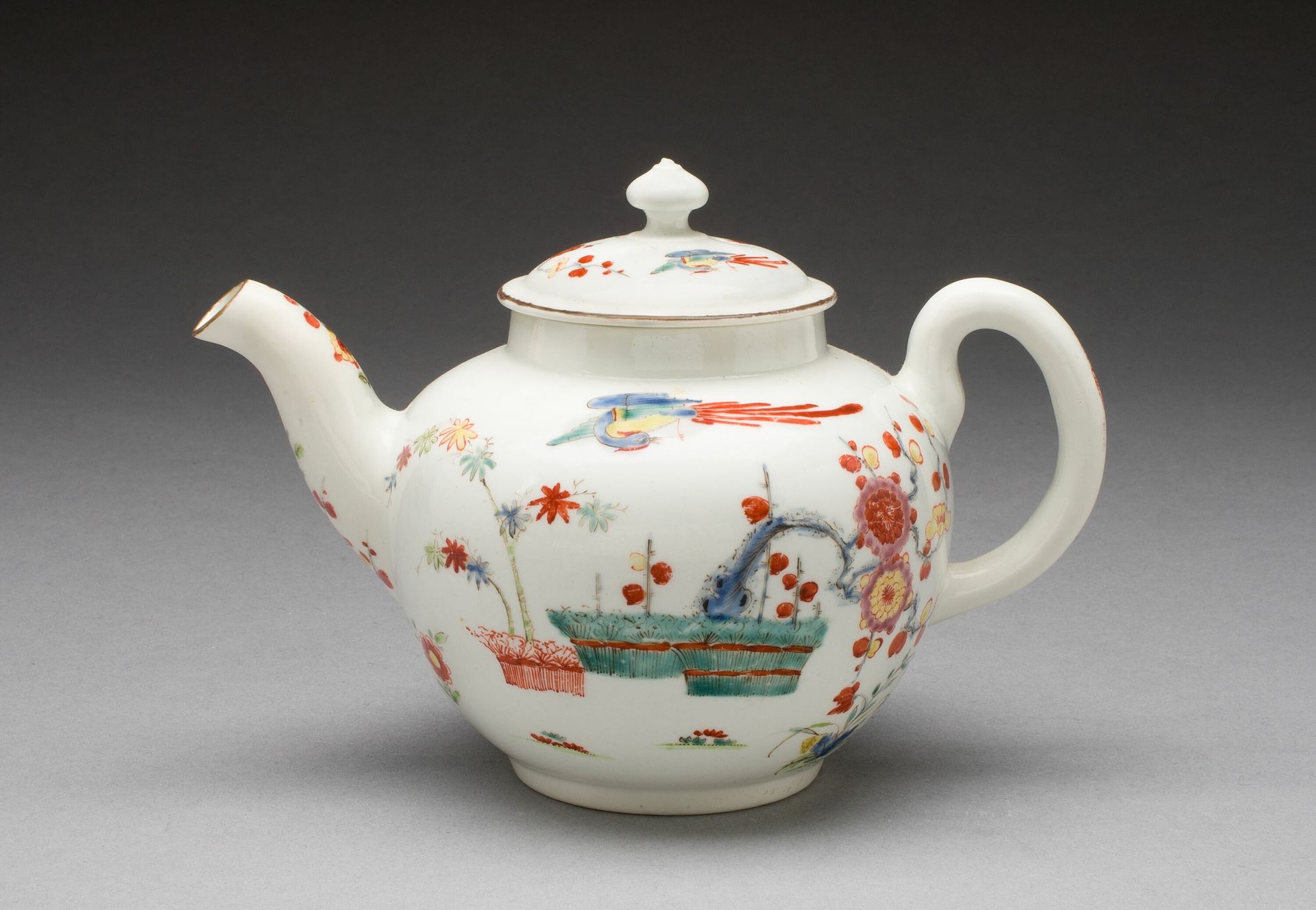
This teapot was produced by the Worcester Royal Porcelain Company in England, but we cannot specify when. It's decorated with vibrant flowers and birds. At the time this teapot was created, porcelain was a luxury item, and the consumption of tea was tied to sophisticated social rituals, class status, and overseas trade. To fully understand the context of this object, we need to consider the rise of the British Empire and the East India Company's control over the tea and porcelain trades. The company’s control of trade routes and colonial resources, especially in India and China, allowed it to import raw materials and goods that were transformed into luxury items such as this teapot. Researching the company records and trade statistics of the time could reveal the extent to which this teapot reflects and reinforces existing social structures and colonial power dynamics. Ultimately, appreciating a piece like this involves tracing the intricate links between art, commerce, and empire.
Teapot
c. 1755

Worcester Royal Porcelain Company
@worcesterroyalporcelaincompany
The Art Institute of Chicago
The Art Institute of ChicagoArtwork details
- Medium
- ceramic, porcelain
- Dimensions
- H. 11.6 cm (4 9/16 in.)
- Location
- The Art Institute of Chicago
- Copyright
- Public Domain
Tags
ceramic
porcelain
decorative-art
rococo
Comments
Be the first to share your thoughts about this work.
About this artwork
This teapot was produced by the Worcester Royal Porcelain Company in England, but we cannot specify when. It's decorated with vibrant flowers and birds. At the time this teapot was created, porcelain was a luxury item, and the consumption of tea was tied to sophisticated social rituals, class status, and overseas trade. To fully understand the context of this object, we need to consider the rise of the British Empire and the East India Company's control over the tea and porcelain trades. The company’s control of trade routes and colonial resources, especially in India and China, allowed it to import raw materials and goods that were transformed into luxury items such as this teapot. Researching the company records and trade statistics of the time could reveal the extent to which this teapot reflects and reinforces existing social structures and colonial power dynamics. Ultimately, appreciating a piece like this involves tracing the intricate links between art, commerce, and empire.
Comments
Be the first to share your thoughts about this work.