About this artwork
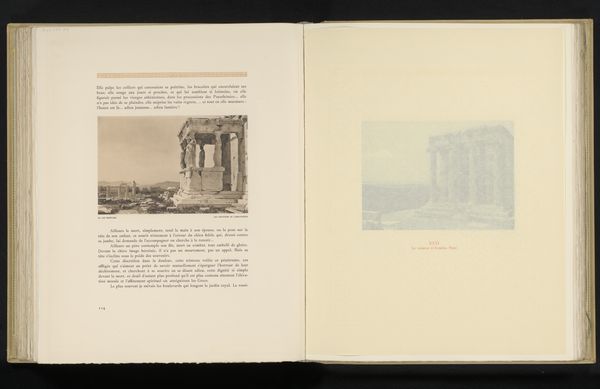
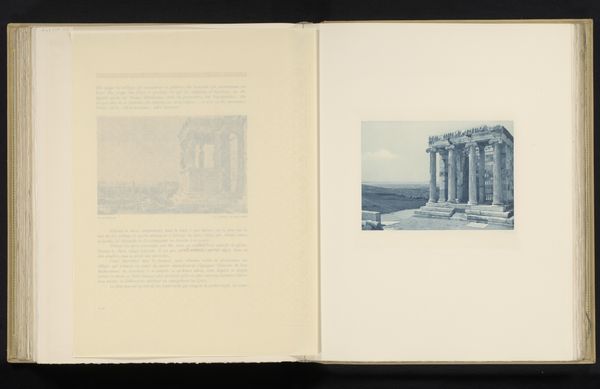
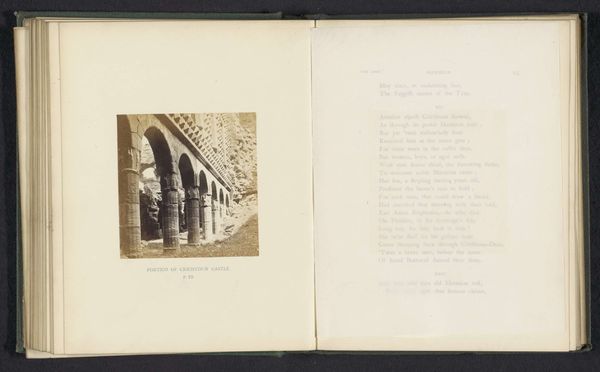
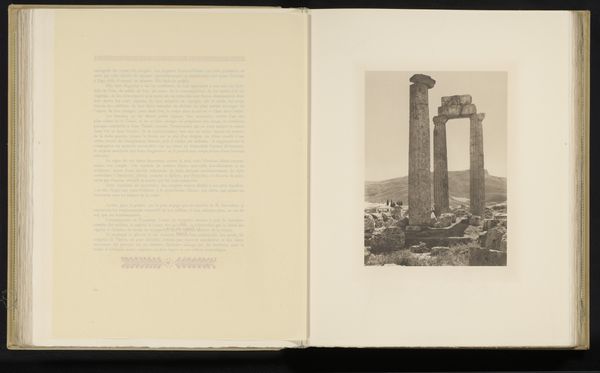
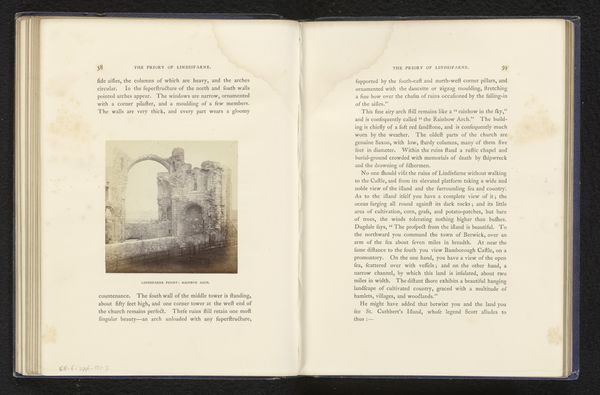
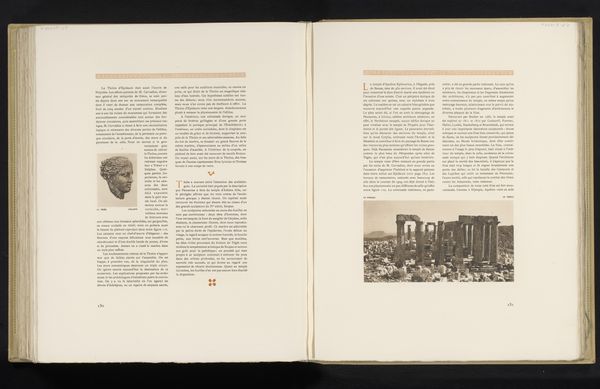
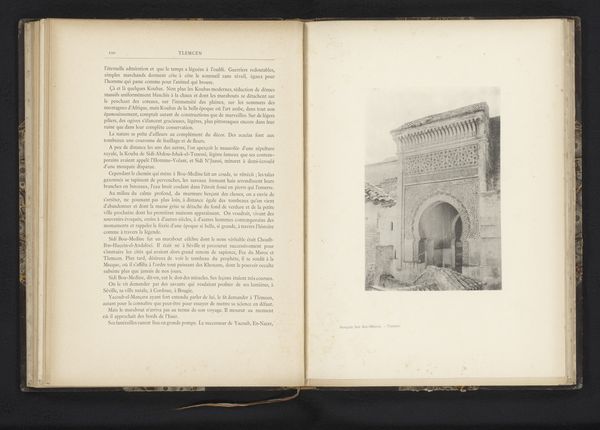
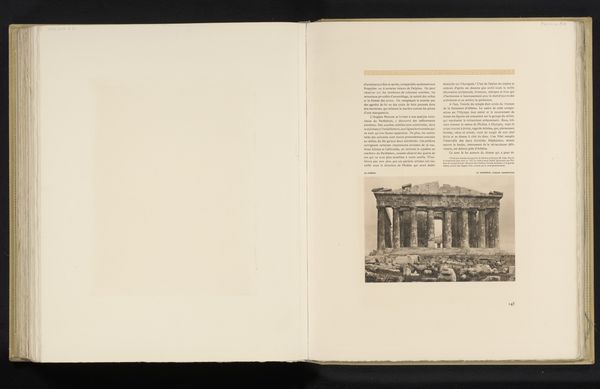
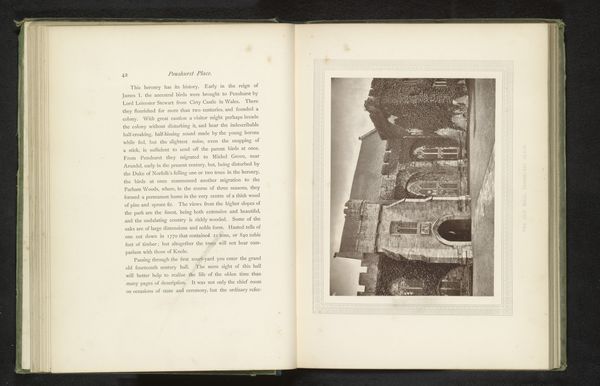
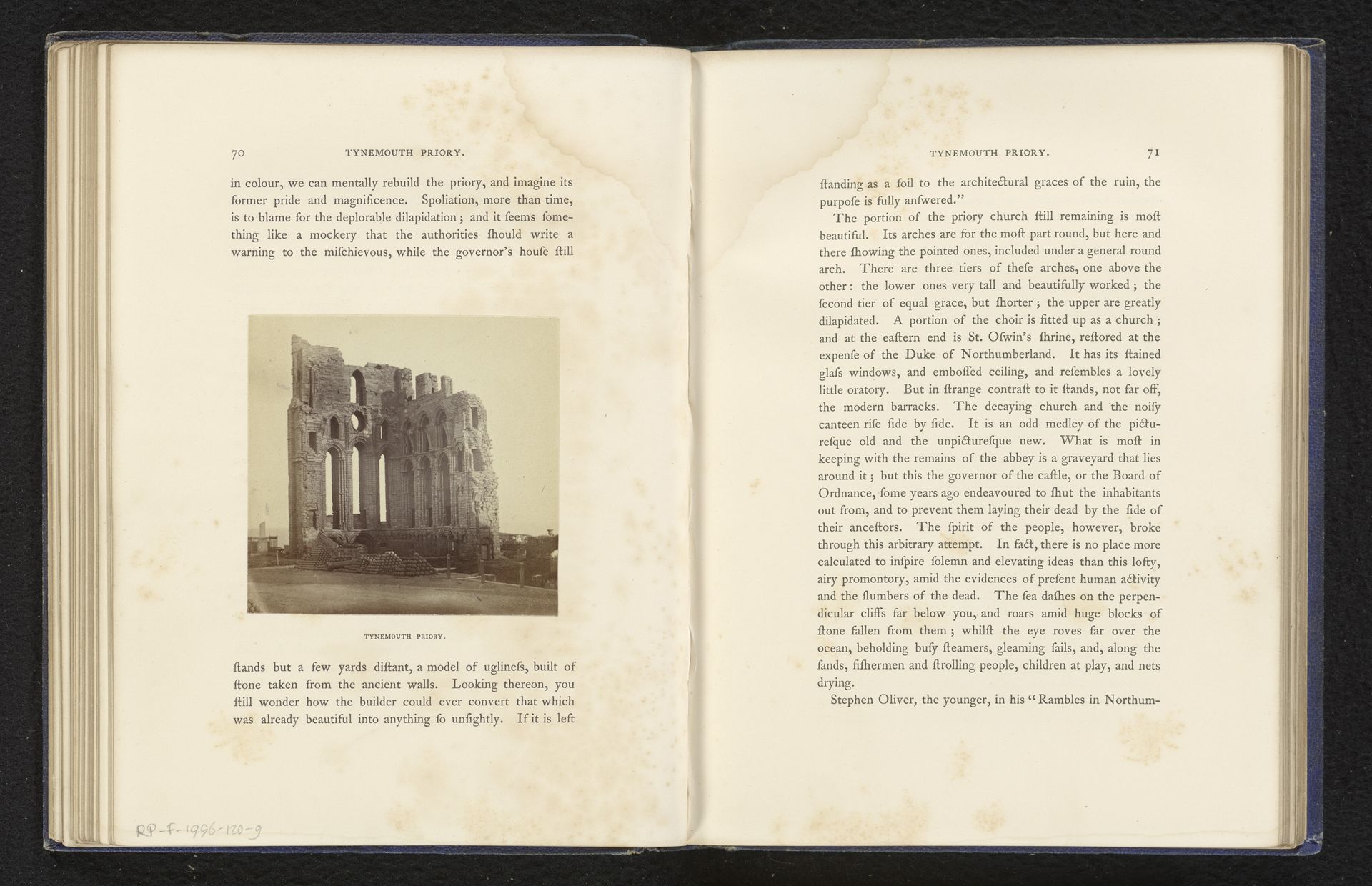
This photograph captures the ruins of Tynemouth Priory. At its heart is the motif of decay, a visual symbol resonating with vanitas traditions. The crumbling arches and weathered stones evoke a sense of mortality and the transience of human achievement. This mirrors classical allegories where ruins symbolize the inevitable decline of civilizations, echoing through time from Roman landscapes to Romantic-era paintings. We find a similar sentiment in Dutch Golden Age still lifes, where decaying fruit reminds us of life's fleeting nature. These motifs tap into a deep, subconscious awareness of impermanence, provoking a melancholic yet profound emotional response. The photograph acts as a memento mori, inviting contemplation on the cyclical nature of time and the enduring power of ruins to evoke memory and emotion across centuries.

Artwork details
- Dimensions
- height 82 mm, width 85 mm
- Copyright
- Rijks Museum: Open Domain
Comments
Share your thoughts
About this artwork
This photograph captures the ruins of Tynemouth Priory. At its heart is the motif of decay, a visual symbol resonating with vanitas traditions. The crumbling arches and weathered stones evoke a sense of mortality and the transience of human achievement. This mirrors classical allegories where ruins symbolize the inevitable decline of civilizations, echoing through time from Roman landscapes to Romantic-era paintings. We find a similar sentiment in Dutch Golden Age still lifes, where decaying fruit reminds us of life's fleeting nature. These motifs tap into a deep, subconscious awareness of impermanence, provoking a melancholic yet profound emotional response. The photograph acts as a memento mori, inviting contemplation on the cyclical nature of time and the enduring power of ruins to evoke memory and emotion across centuries.
Comments
Share your thoughts