1887 - 1924
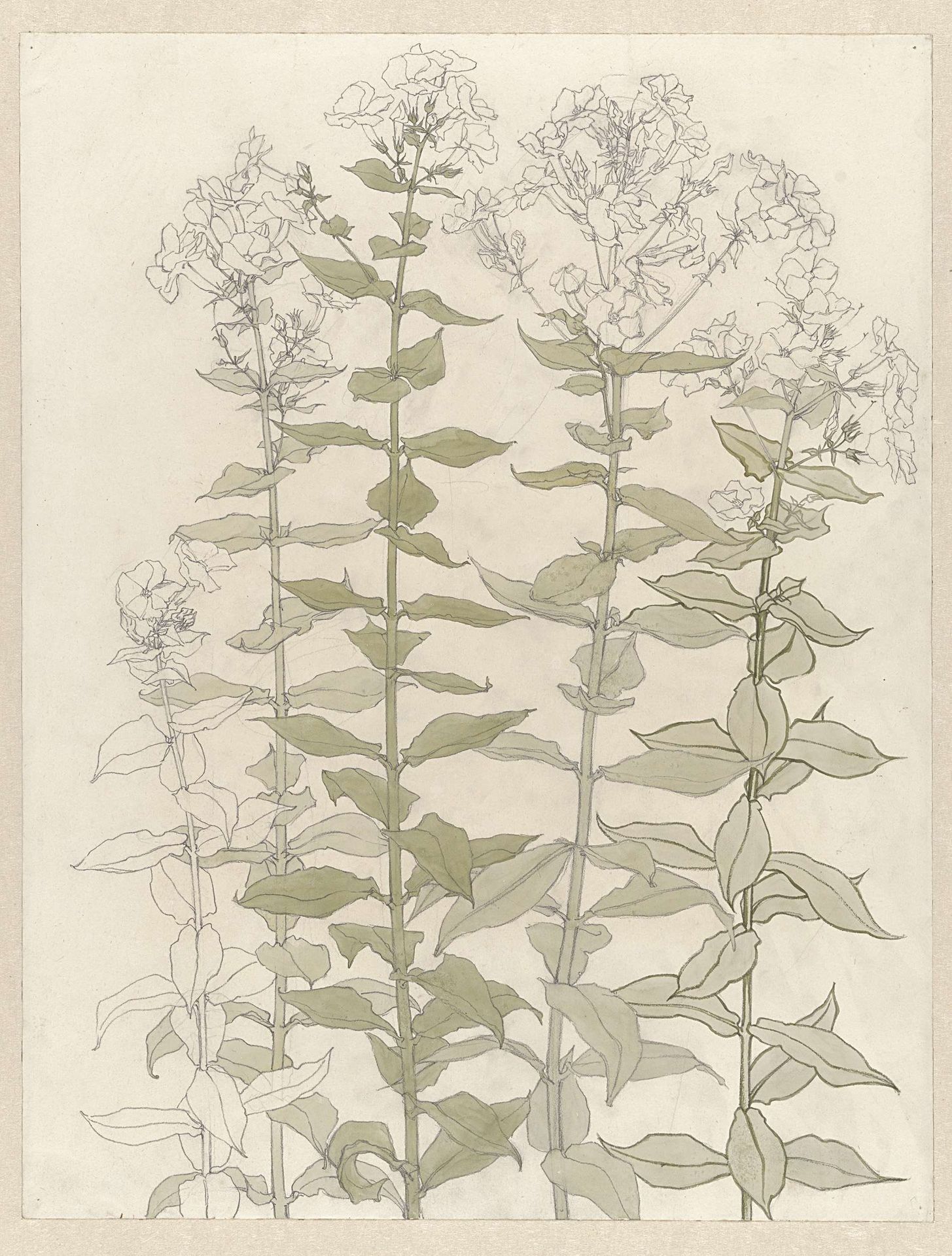
Studies van flox

Julie de Graag
1877 - 1924Location
RijksmuseumListen to curator's interpretation
Curatorial notes
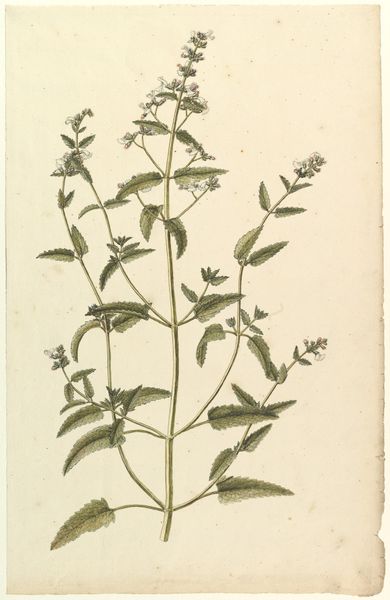
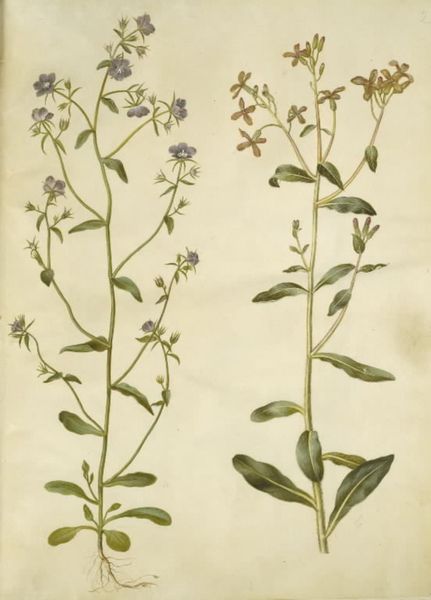
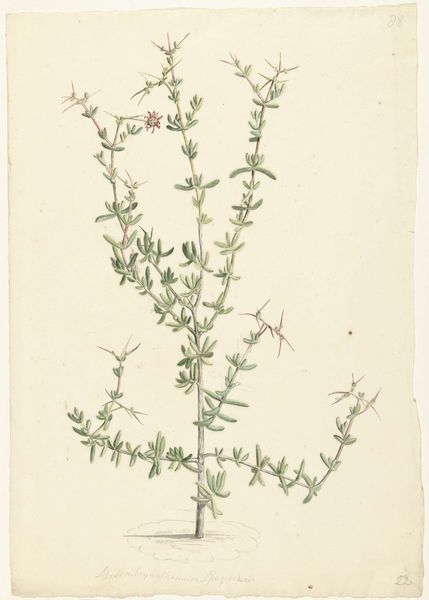
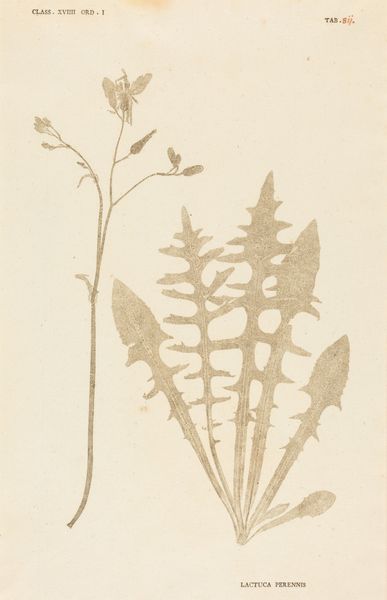
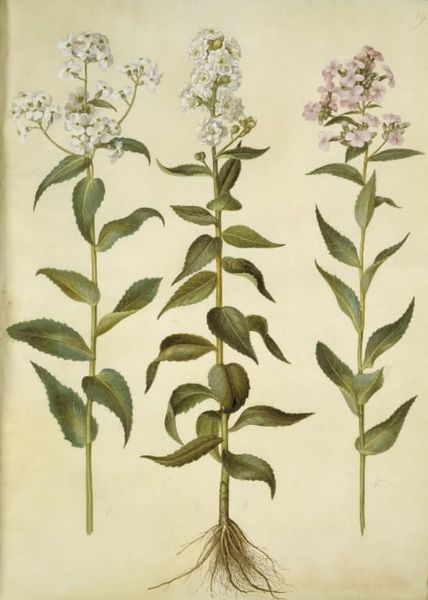
Editor: Here we have Julie de Graag's "Studies van flox," created sometime between 1887 and 1924. It's a delicate drawing on paper using ink and etching, currently held at the Rijksmuseum. I'm struck by the layering—it feels almost ghostly and ethereal. What's your take? What catches your eye? Curator: Well, these phlox are certainly putting on a show, aren't they? It’s as if de Graag isn't just depicting flowers but capturing their essence, their spirit. The way she uses the ink – you almost get the feeling she was trying to translate a scent, not just a sight. The art nouveau influence is unmistakable. Do you see the almost decorative quality, the way nature is idealized, almost stylized? Editor: Absolutely! It reminds me of wallpaper, but in a good way, not in a mass-produced way. Is there a particular reason she chose phlox, do you think? Curator: Perhaps. Think about the era: art nouveau artists were often deeply invested in symbolism, imbuing the natural world with meaning. These weren't just pretty flowers; they were voices. The phlox flower means "unite souls". De Graag wasn’t simply sketching; she was whispering a poem about connection and, I feel, possibly, hope. Now, do you get that feeling when you look at it? Editor: I didn’t before, but I do now! It definitely shifts the mood. Thank you! Curator: And thank *you* for the reminder of why we’re drawn to art – not just for what’s on the surface, but for the hidden songs within.