About this artwork
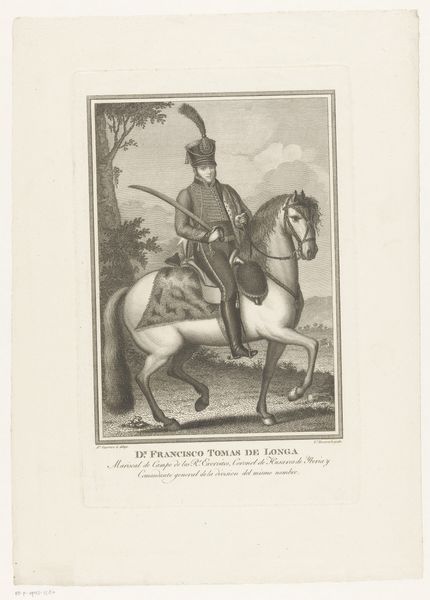
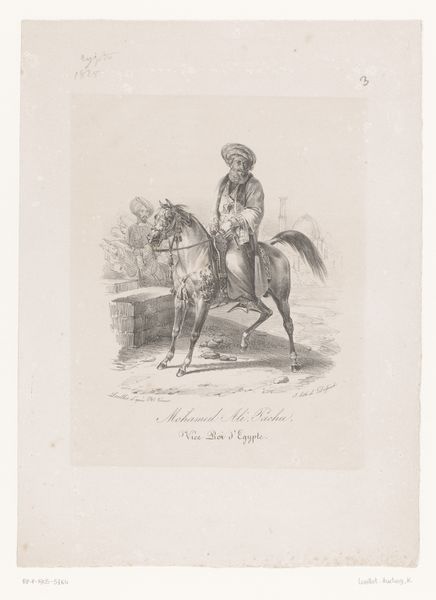
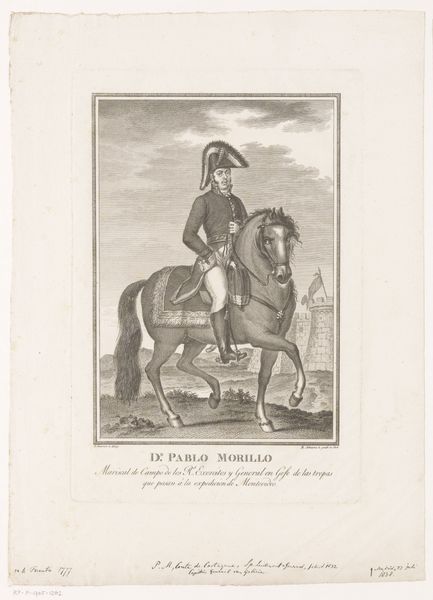
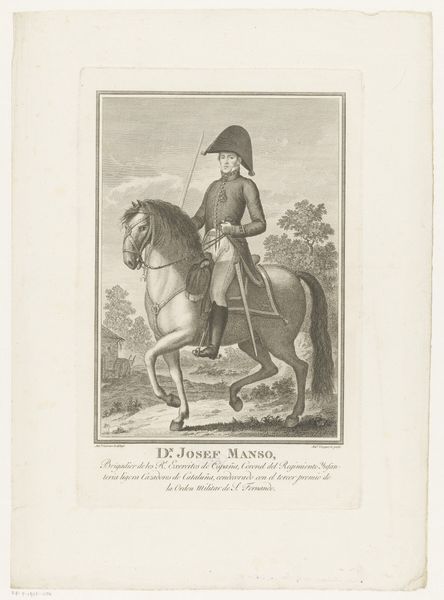
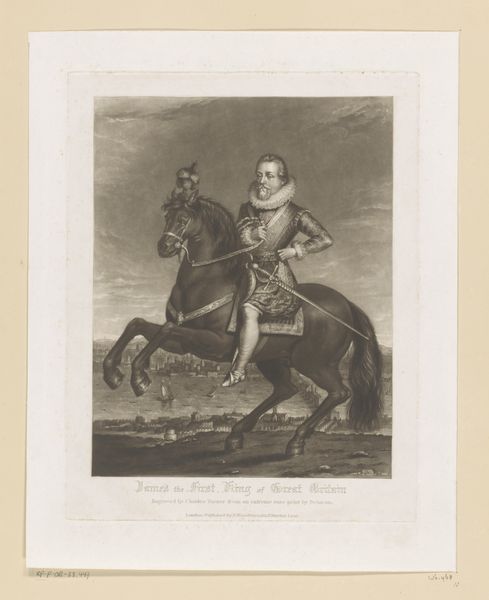
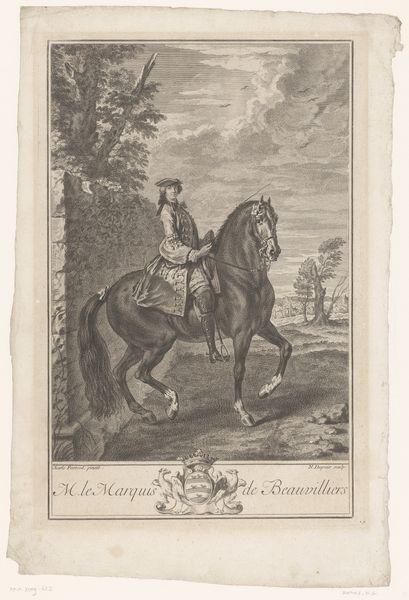
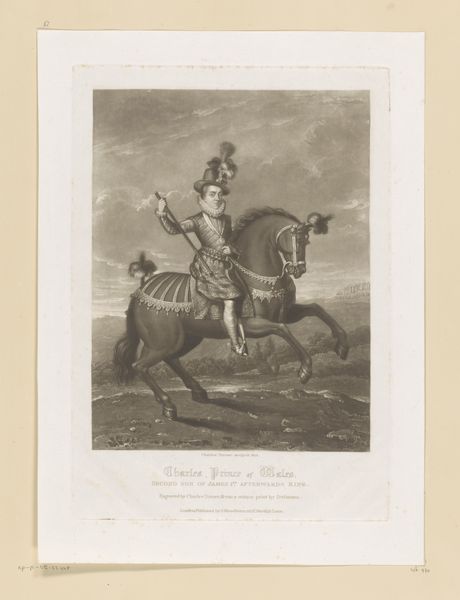
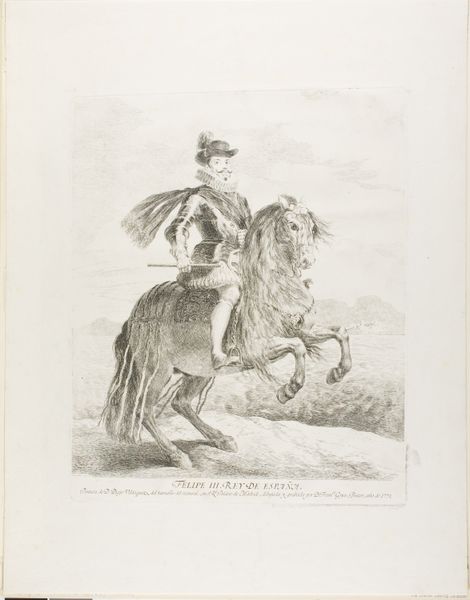
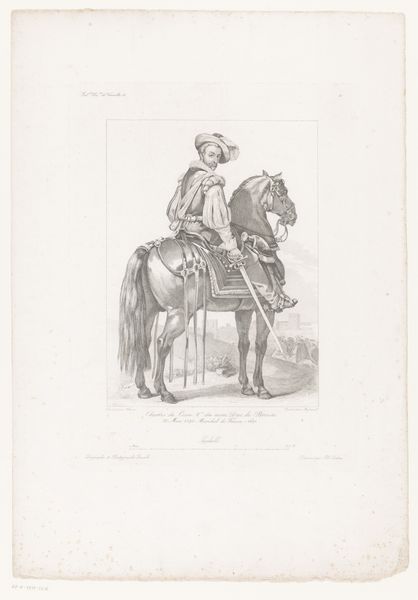
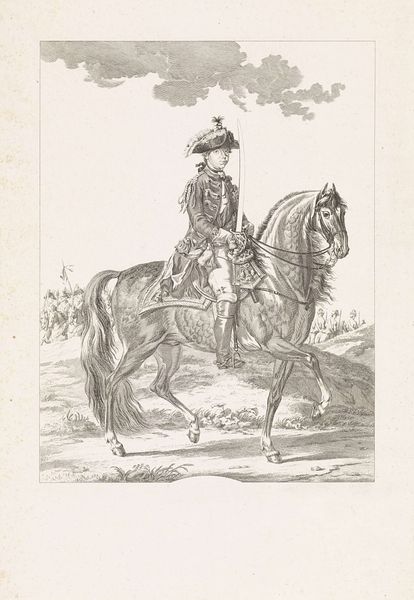
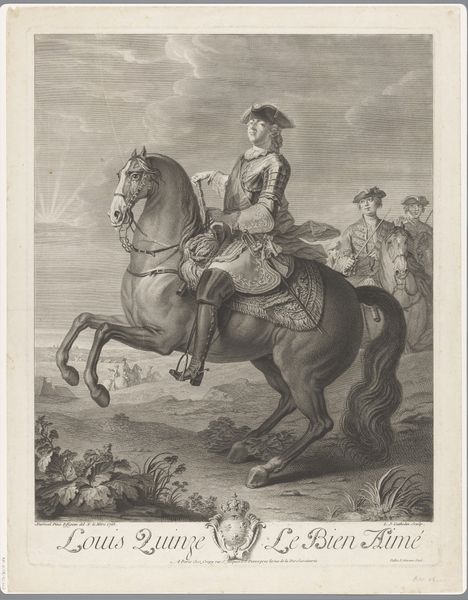
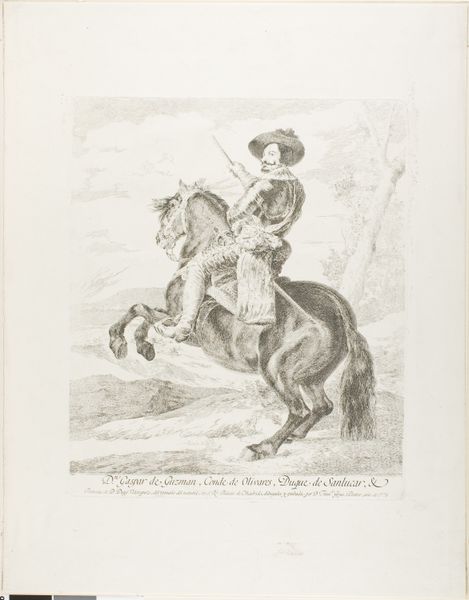
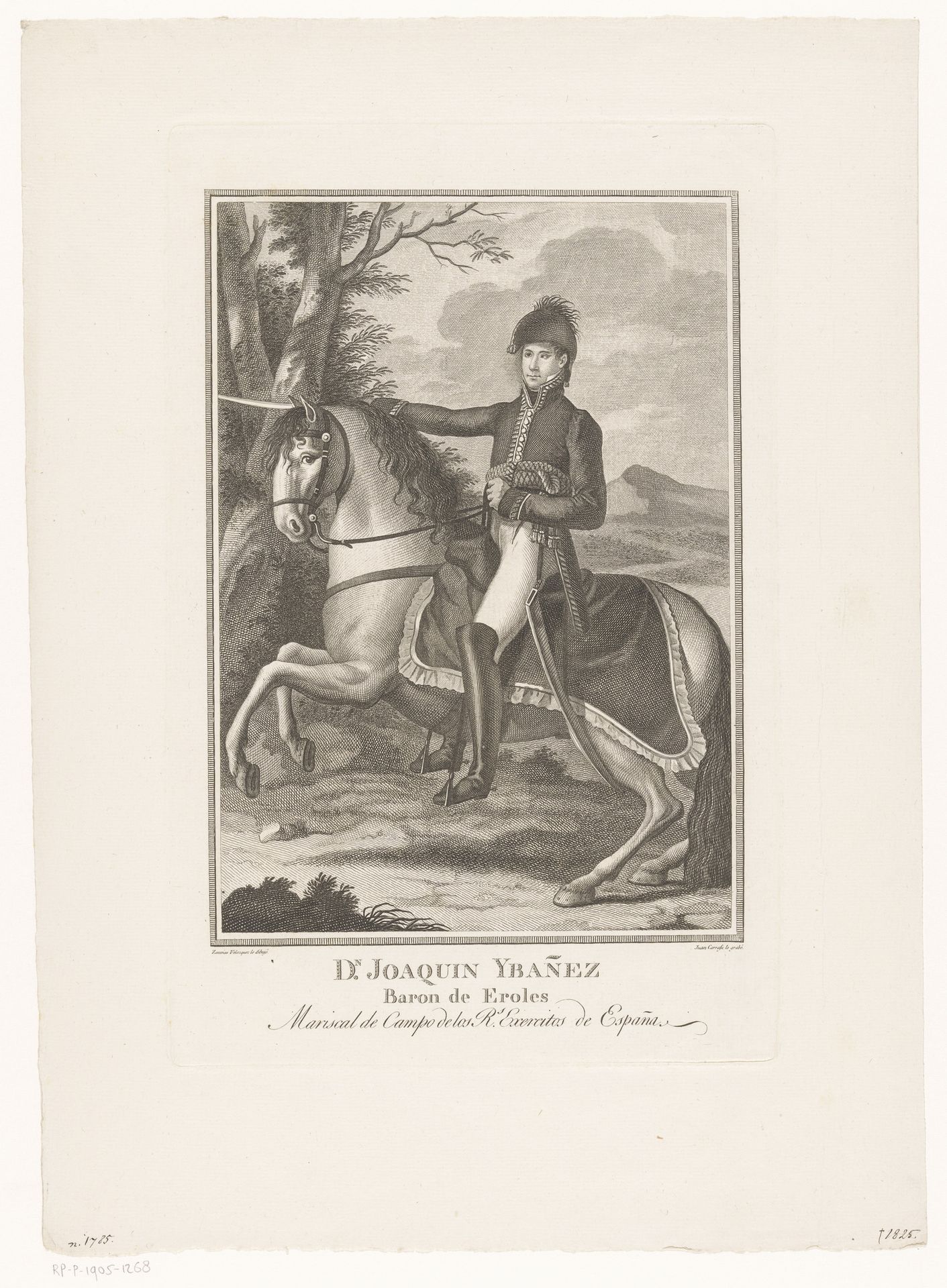
This portrait of Joaquín Ibáñez, Baron of Eroles, was made by Juan Carrafa. The Baron is astride a horse, a pose that evokes classical equestrian statues of emperors and generals. Consider the horse itself. From ancient Greece to the Renaissance, the horse has symbolized power, nobility, and virility. The raised foreleg of the horse is a visual echo of the rearing steeds in battle scenes found on Roman sarcophagi, connoting action and a readiness for conflict. The calm expression on the Baron's face contrasts with the horse's dynamism, reflecting a stoic control. This echoes the ancient Roman ideal of virtus, where composure under pressure was paramount. Such imagery serves as a potent symbol of leadership and control. This non-linear progression of symbols has resurfaced, evolved, and taken on new meanings across historical contexts.

Artwork details
- Medium
- print, engraving
- Dimensions
- height 283 mm, width 184 mm
- Copyright
- Rijks Museum: Open Domain
Tags
Comments
Share your thoughts
About this artwork
This portrait of Joaquín Ibáñez, Baron of Eroles, was made by Juan Carrafa. The Baron is astride a horse, a pose that evokes classical equestrian statues of emperors and generals. Consider the horse itself. From ancient Greece to the Renaissance, the horse has symbolized power, nobility, and virility. The raised foreleg of the horse is a visual echo of the rearing steeds in battle scenes found on Roman sarcophagi, connoting action and a readiness for conflict. The calm expression on the Baron's face contrasts with the horse's dynamism, reflecting a stoic control. This echoes the ancient Roman ideal of virtus, where composure under pressure was paramount. Such imagery serves as a potent symbol of leadership and control. This non-linear progression of symbols has resurfaced, evolved, and taken on new meanings across historical contexts.
Comments
Share your thoughts