About this artwork
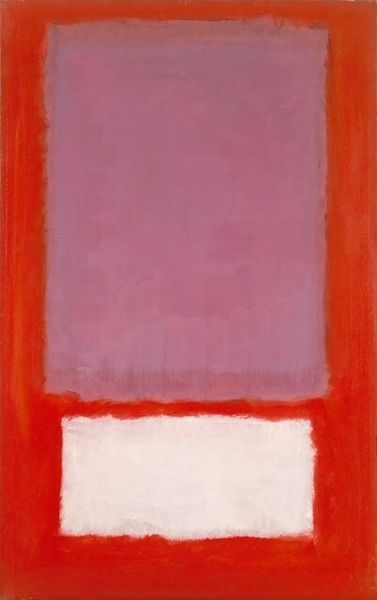
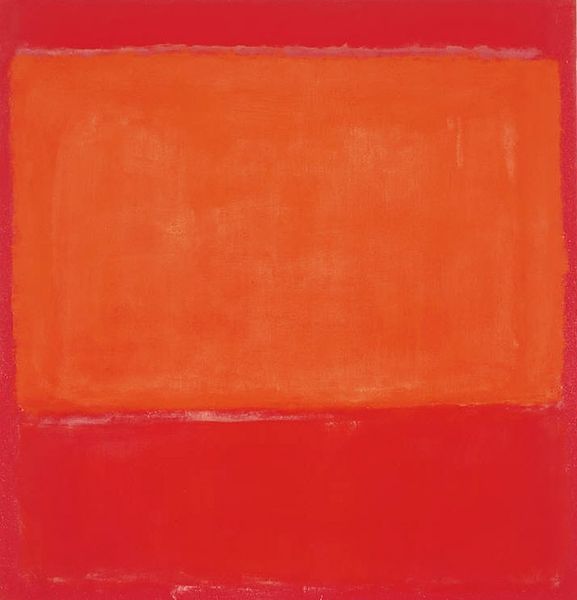
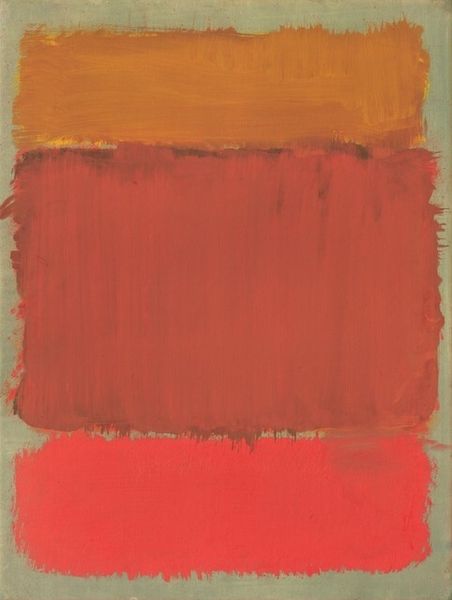
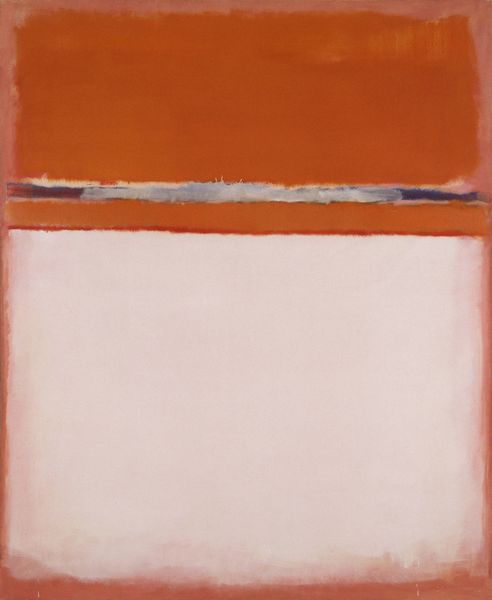
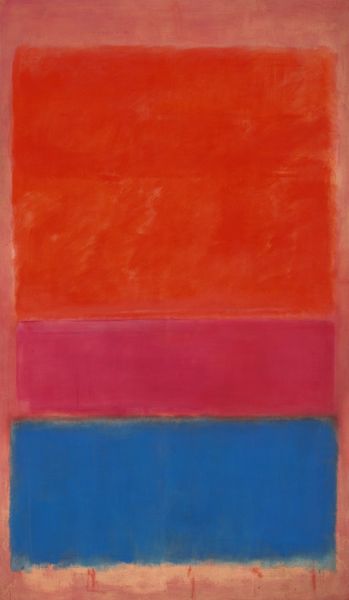
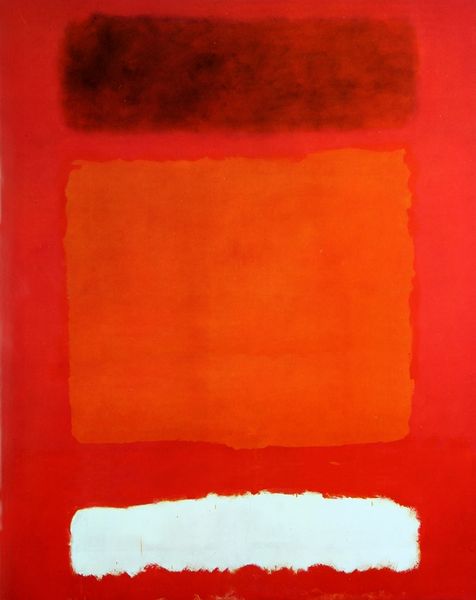
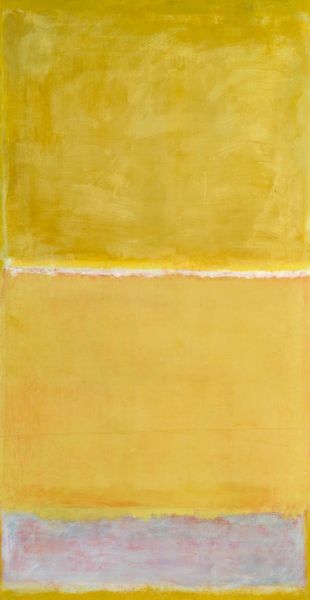
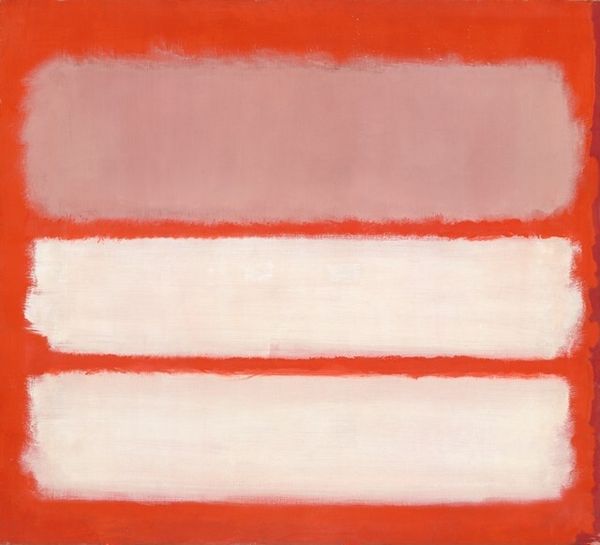
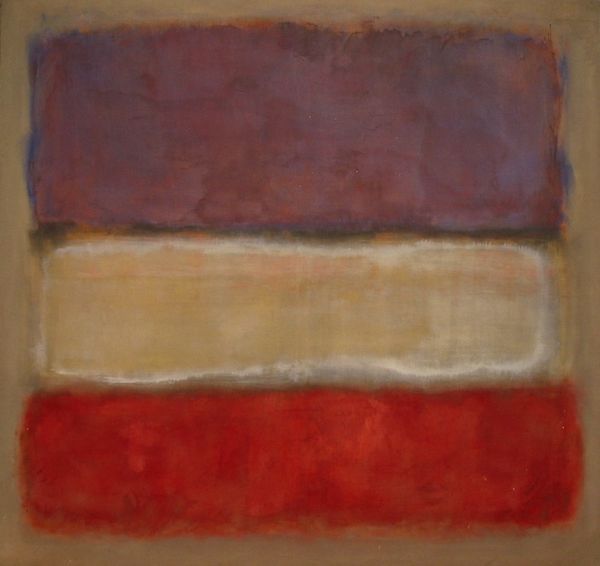
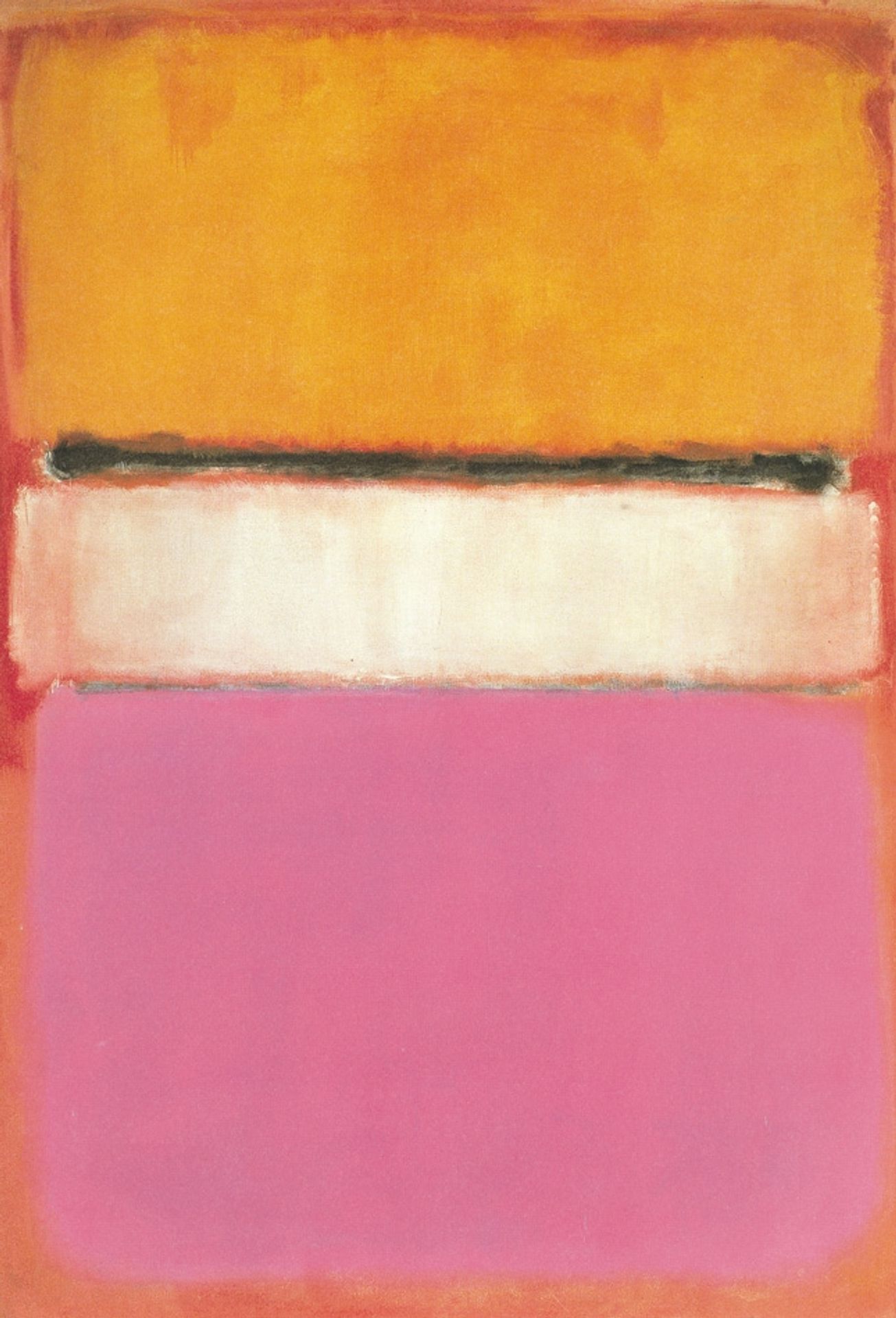
Mark Rothko created "White Center (Yellow, Pink and Lavender on Rose)" with oil paint on canvas, though the exact date remains unknown. Rothko, born in Latvia and of Jewish heritage, emigrated to the United States and bore witness to the atrocities of the Second World War. Rothko turned to abstraction to express profound human emotions. His signature style, developed in the late 1940s, features large, luminous color fields arranged in rectangular forms. Rothko believed his paintings could evoke a deeply personal experience, stating, "I'm not interested in relationships of color or form or anything else. I'm interested only in expressing basic human emotions: tragedy, ecstasy, doom." Here, observe how the colors seem to float and vibrate, creating an ethereal and meditative atmosphere. Rothko challenges traditional representation, inviting viewers to engage with the work on an emotional level. His work reflects existential themes of human vulnerability and resilience, inviting us to contemplate our place in the world.
White Center (Yellow, Pink and Lavender on Rose) 1950

Mark Rothko
1903 - 1970Location
Private CollectionArtwork details
- Medium
- painting, oil-paint
- Location
- Private Collection
- Copyright
- Mark Rothko,Fair Use
Tags
abstract-expressionism
abstract expressionism
painting
oil-paint
landscape
form
abstraction
modernism
Comments
No comments
About this artwork
Mark Rothko created "White Center (Yellow, Pink and Lavender on Rose)" with oil paint on canvas, though the exact date remains unknown. Rothko, born in Latvia and of Jewish heritage, emigrated to the United States and bore witness to the atrocities of the Second World War. Rothko turned to abstraction to express profound human emotions. His signature style, developed in the late 1940s, features large, luminous color fields arranged in rectangular forms. Rothko believed his paintings could evoke a deeply personal experience, stating, "I'm not interested in relationships of color or form or anything else. I'm interested only in expressing basic human emotions: tragedy, ecstasy, doom." Here, observe how the colors seem to float and vibrate, creating an ethereal and meditative atmosphere. Rothko challenges traditional representation, inviting viewers to engage with the work on an emotional level. His work reflects existential themes of human vulnerability and resilience, inviting us to contemplate our place in the world.
Comments
No comments