About this artwork
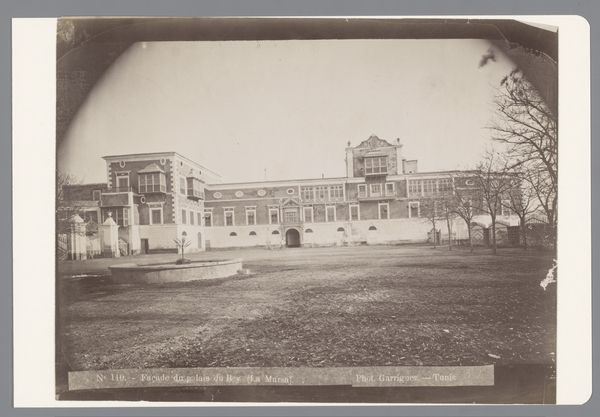
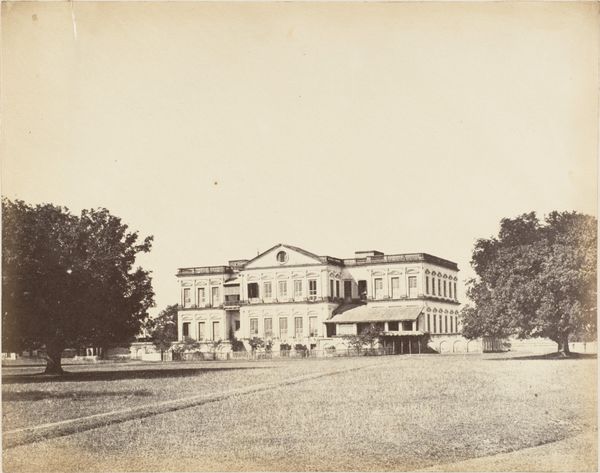
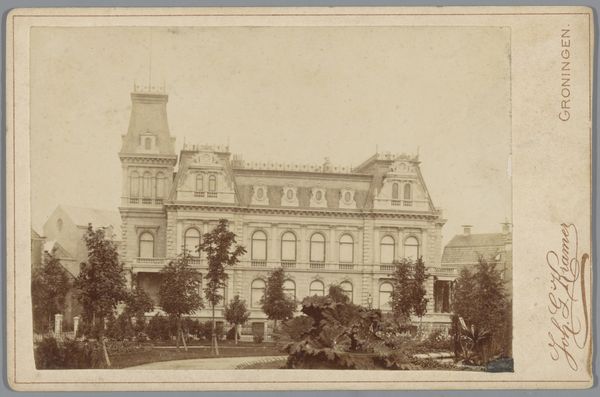
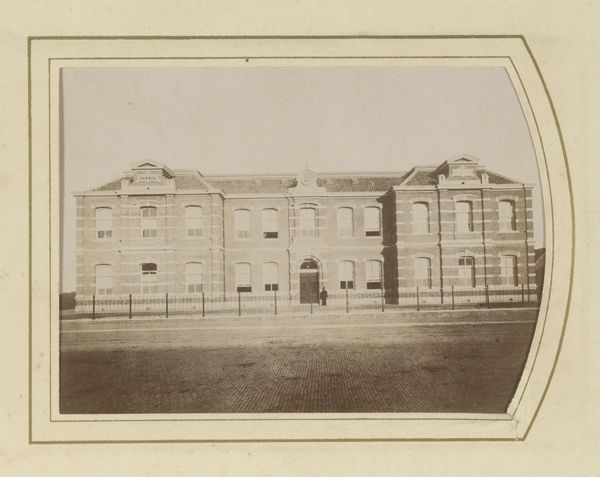
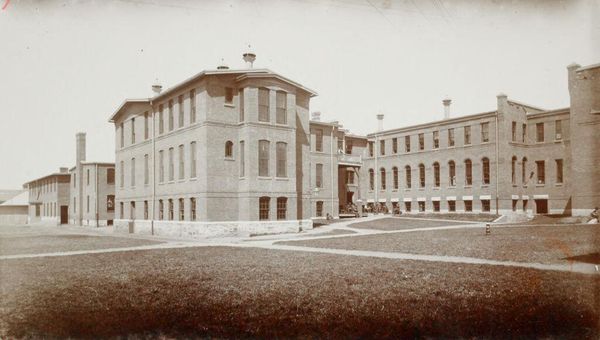
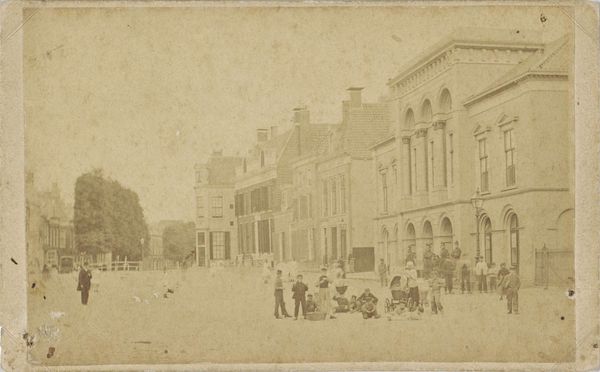
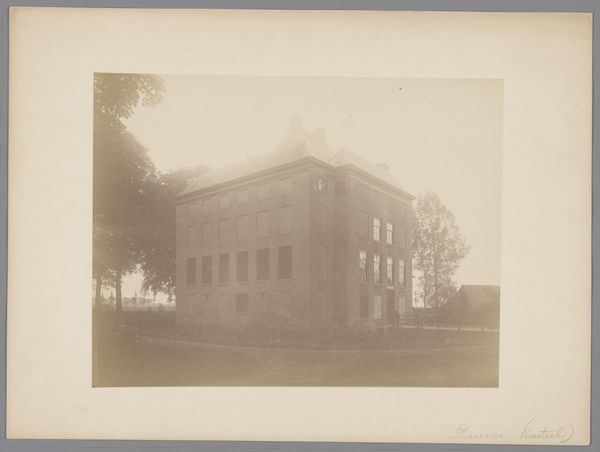
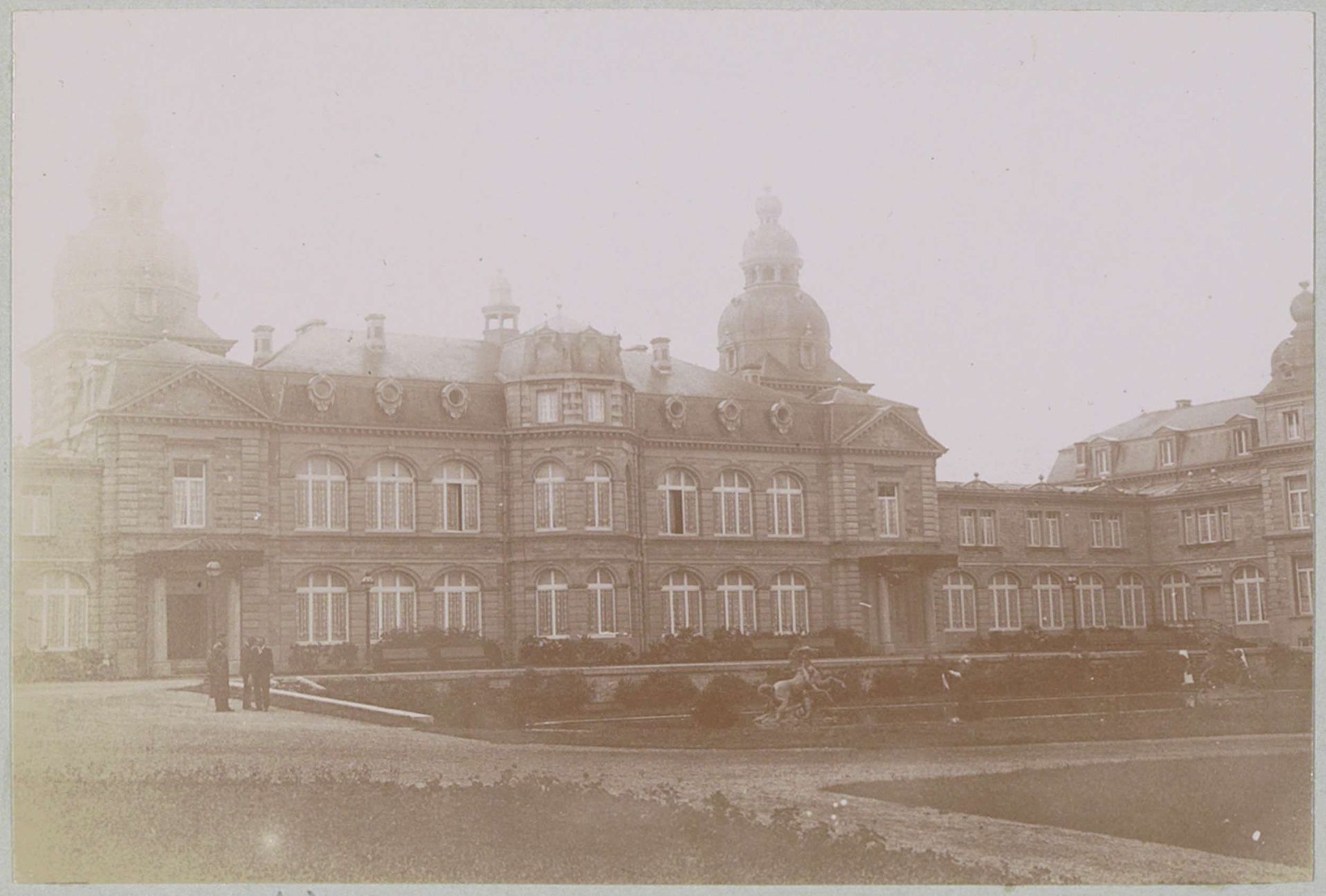
This photograph by Delizy depicts the courtyard of the Chateau Royal d'Ardenne in Houyet, though its precise date is unknown. The image reveals much about the social functions of photography and architecture in its time. The Chateau, with its symmetrical design and classical ornamentation, reflects the aspirations of the Belgian monarchy during a period of industrial expansion and colonial ambition. Built for Leopold II, the architecture embodies a desire for prestige and authority. The photograph itself, with its carefully composed view, suggests the Chateau as a symbol of power. Further research into the archives of the royal family and studies of Belgian colonial history would shed light on the cultural values represented in this image. The history of art reminds us that even seemingly neutral depictions are shaped by prevailing social forces.
Gezicht op de binnenplaats van Chateau Royal d'Ardenne te Houyet
Possibly 1898

Delizy
@delizyLocation
RijksmuseumArtwork details
- Dimensions
- height 73 mm, width 109 mm
- Location
- Rijksmuseum
- Copyright
- Rijks Museum: Open Domain
Comments
Be the first to share your thoughts about this work.
About this artwork
This photograph by Delizy depicts the courtyard of the Chateau Royal d'Ardenne in Houyet, though its precise date is unknown. The image reveals much about the social functions of photography and architecture in its time. The Chateau, with its symmetrical design and classical ornamentation, reflects the aspirations of the Belgian monarchy during a period of industrial expansion and colonial ambition. Built for Leopold II, the architecture embodies a desire for prestige and authority. The photograph itself, with its carefully composed view, suggests the Chateau as a symbol of power. Further research into the archives of the royal family and studies of Belgian colonial history would shed light on the cultural values represented in this image. The history of art reminds us that even seemingly neutral depictions are shaped by prevailing social forces.
Comments
Be the first to share your thoughts about this work.