About this artwork
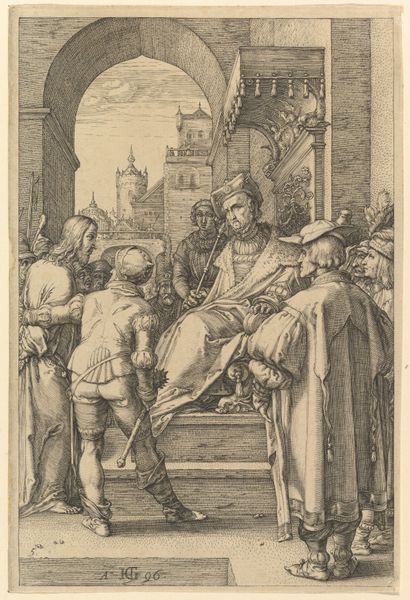
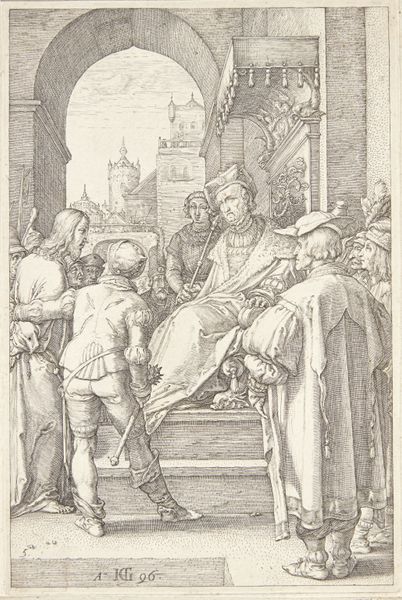
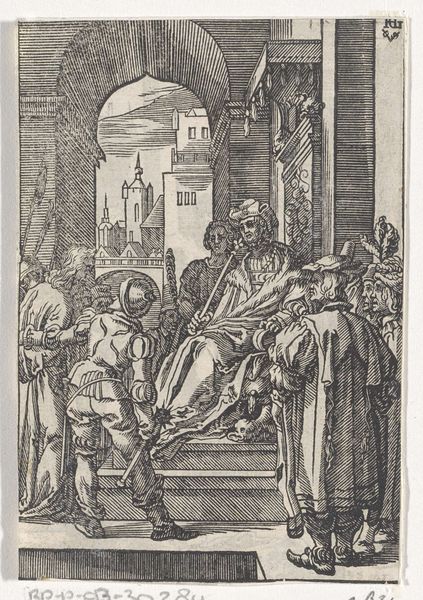
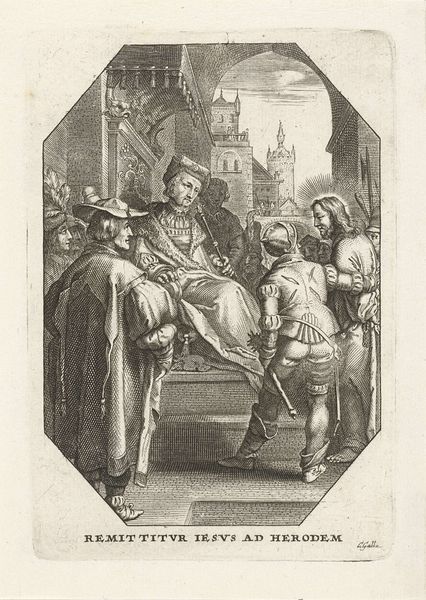
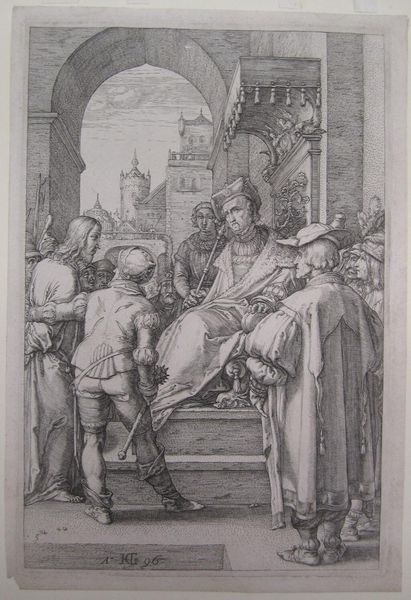
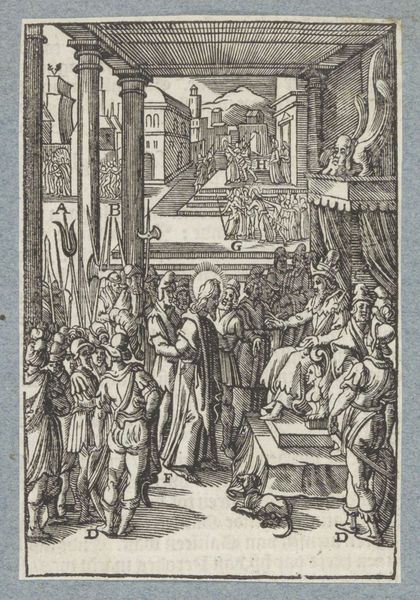
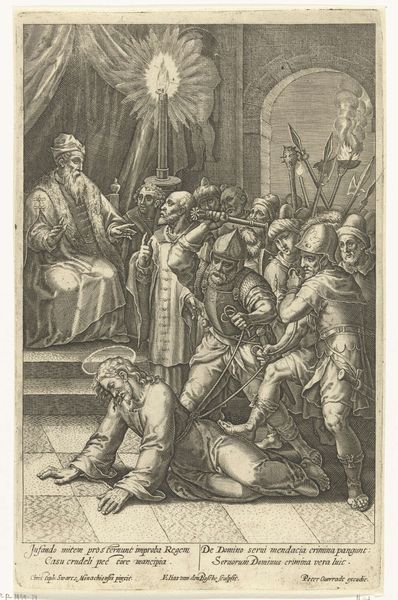
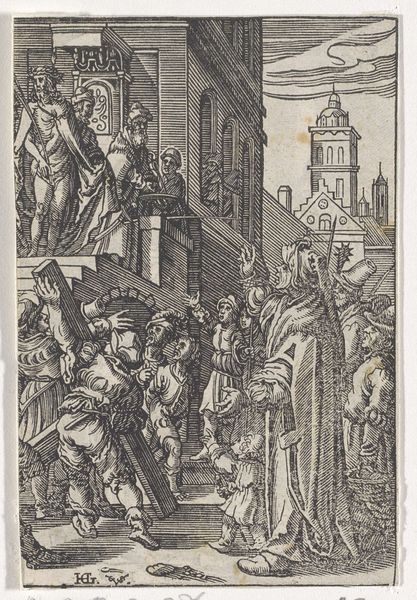
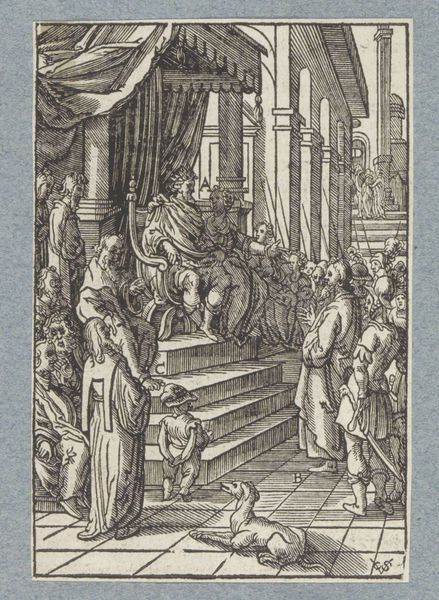
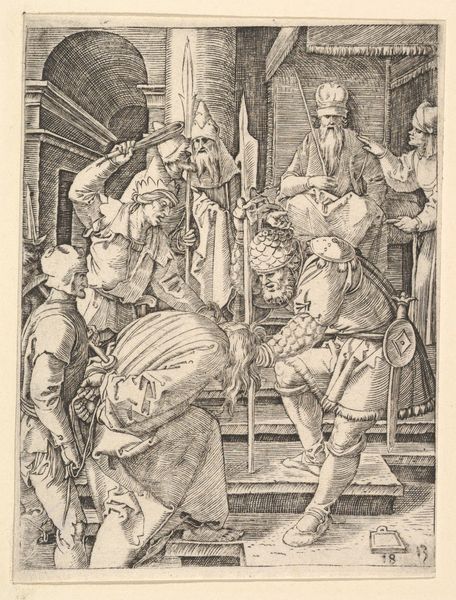
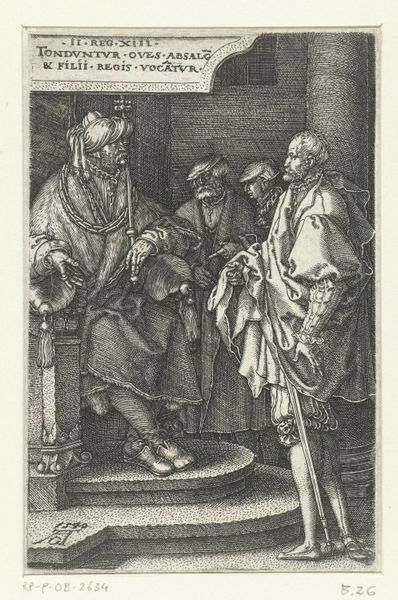
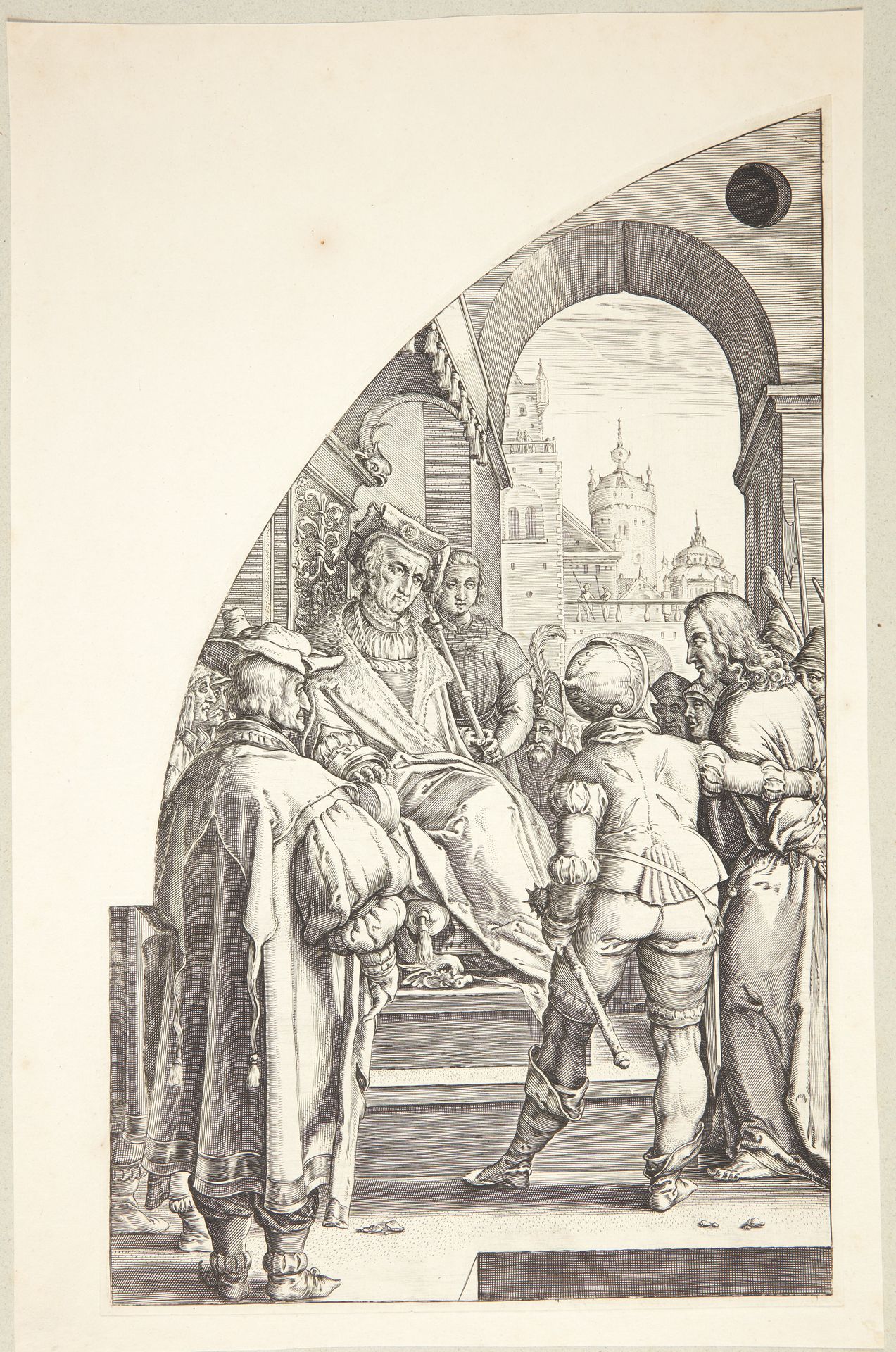
Albrecht von Horn masterfully depicts 'Christ before Pilate' in ink on laid paper. The solemnity of the scene hinges on potent symbols. Pilate, enthroned, holds a scepter, a timeless emblem of power and judgment. Jesus, stands before him, embodying humility in stark contrast to the Roman authority. The scepter, or staff of office, is a primordial symbol, appearing even in ancient Egypt as a sign of pharaonic power. We see it re-emerge in the hands of medieval monarchs, each time subtly shifting in its representation, yet eternally linked to the idea of governance. The image stirs something deep within us. The collective memory of injustice, the subconscious knowledge of power’s potential for abuse, affects our emotional response. It is a potent reminder of the cyclical nature of history. These symbols return, transformed but never truly gone.
Christ before Pilate
1620


Artwork details
- Medium
- print, engraving
- Dimensions
- 397 mm (height) x 242 mm (width) (plademaal)
- Location
- SMK - Statens Museum for Kunst
Tags
Comments
Share your thoughts
About this artwork
Albrecht von Horn masterfully depicts 'Christ before Pilate' in ink on laid paper. The solemnity of the scene hinges on potent symbols. Pilate, enthroned, holds a scepter, a timeless emblem of power and judgment. Jesus, stands before him, embodying humility in stark contrast to the Roman authority. The scepter, or staff of office, is a primordial symbol, appearing even in ancient Egypt as a sign of pharaonic power. We see it re-emerge in the hands of medieval monarchs, each time subtly shifting in its representation, yet eternally linked to the idea of governance. The image stirs something deep within us. The collective memory of injustice, the subconscious knowledge of power’s potential for abuse, affects our emotional response. It is a potent reminder of the cyclical nature of history. These symbols return, transformed but never truly gone.
Comments
Share your thoughts