About this artwork
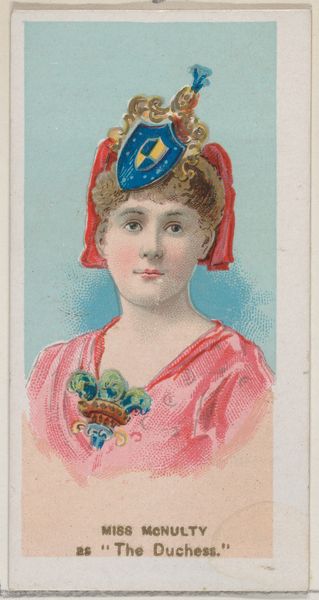
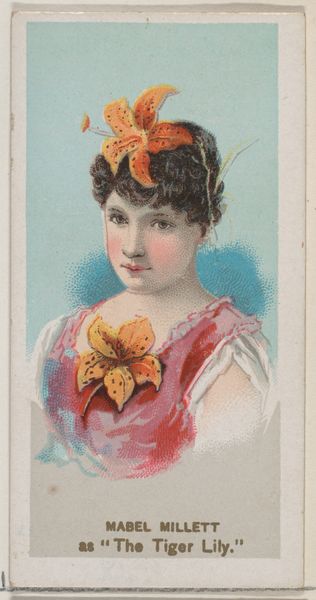
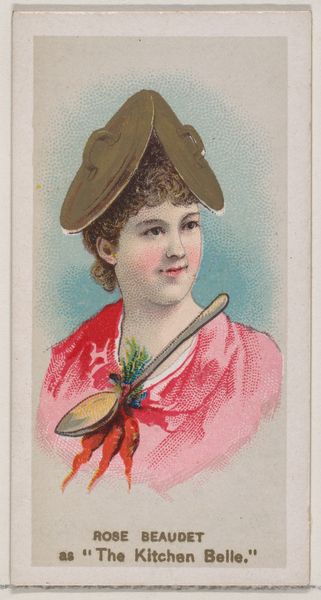
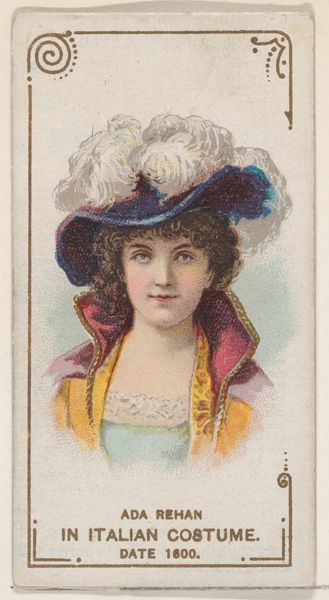
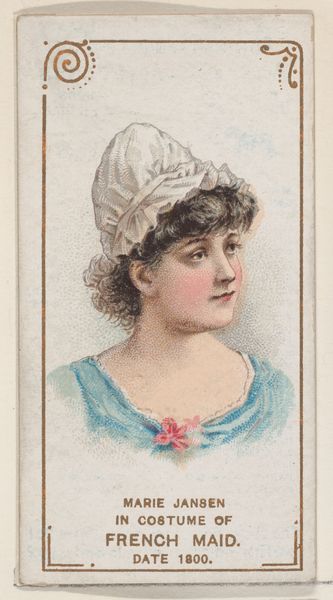
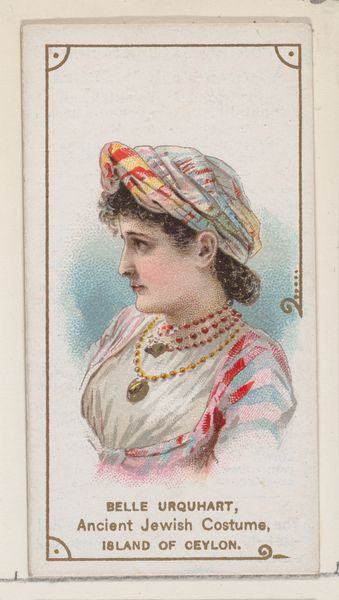
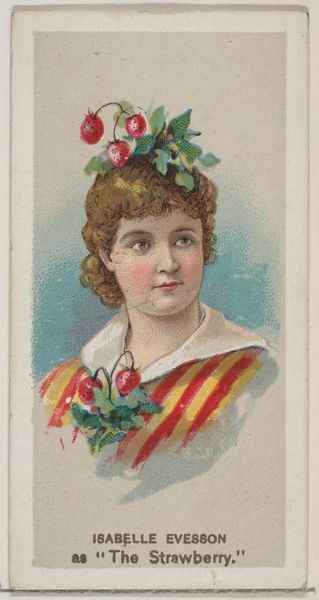
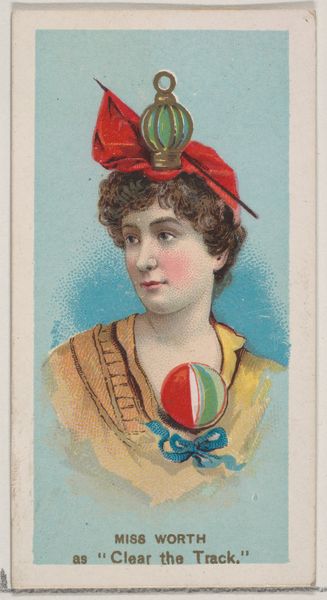
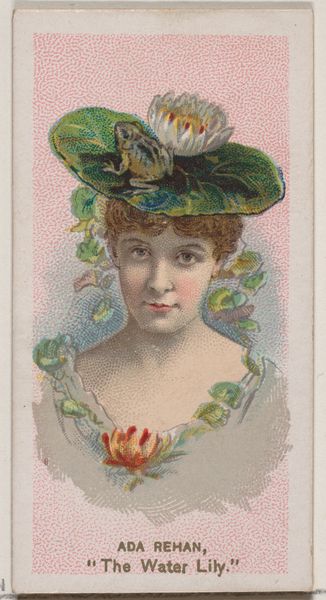
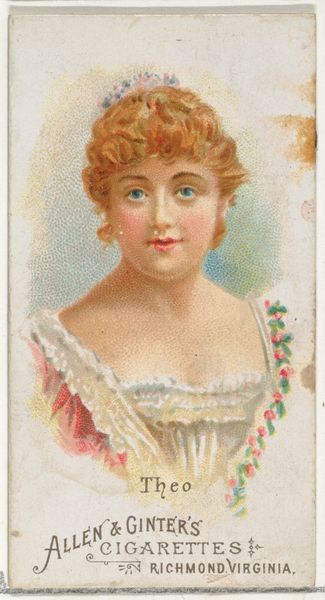
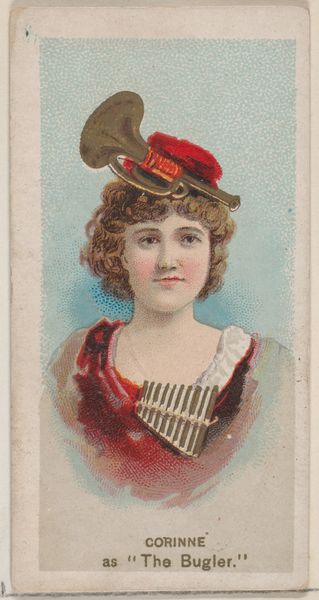
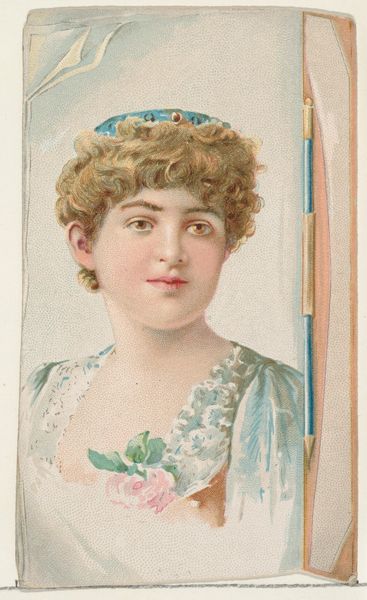
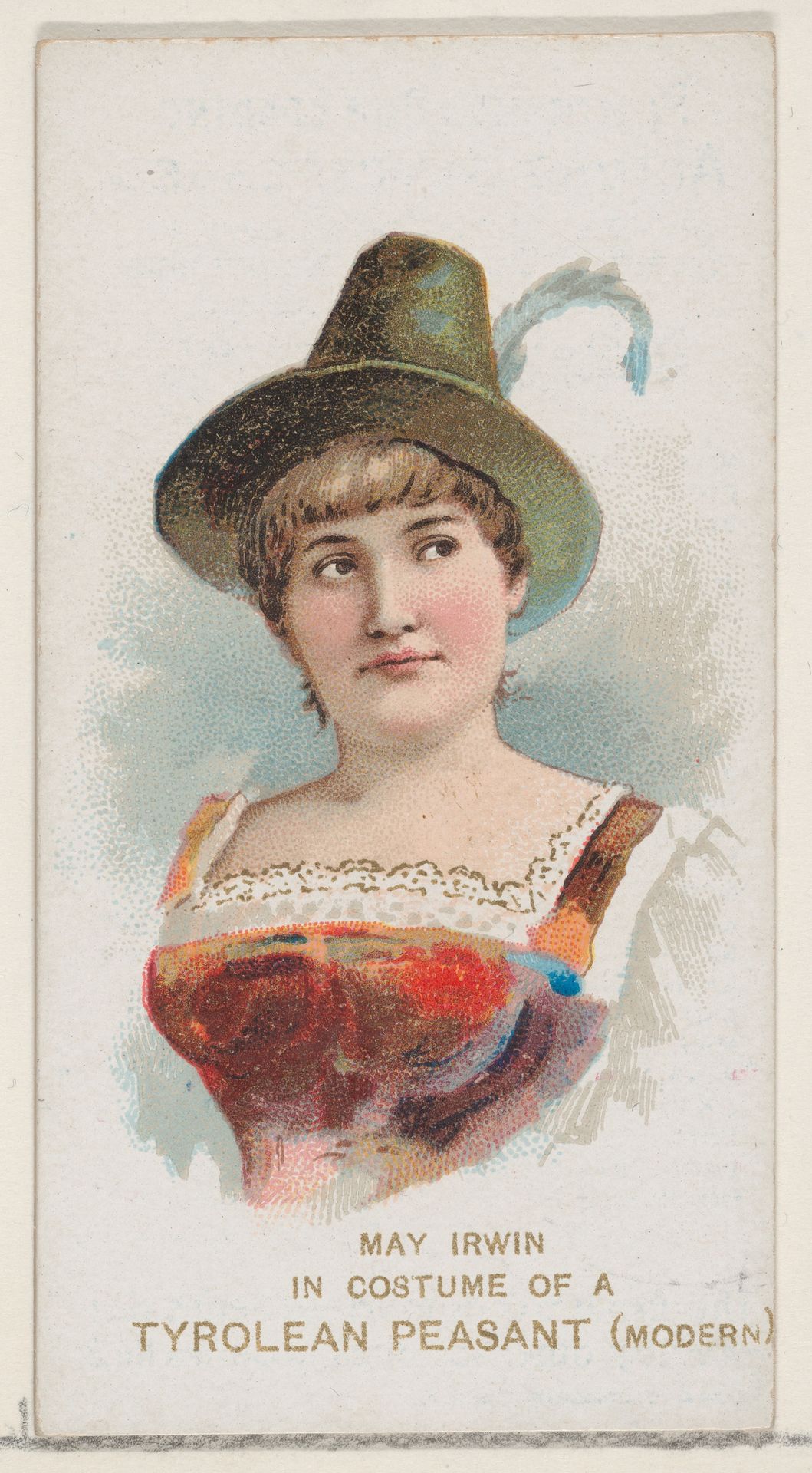
This is a lithograph of May Irwin in costume, made in the United States as part of a series of cigarette cards for W. Duke, Sons & Co. Cigarette cards like this one were enormously popular at the turn of the 20th century. They reveal a great deal about the social and cultural values of the time. This card speaks to the rise of celebrity culture, as it depicts a well-known actress. But perhaps more interestingly, it shows her in costume as a Tyrolean peasant. The Tyrolean region of Austria was seen as a picturesque place and the association with May Irwin would have been considered glamorous, exotic, and yet also non-threatening and folksy. This reflects the image of both American cosmopolitanism and American political conservatism at the time. To further understand this image, we can research the history of cigarette card collecting and the performance career of May Irwin, as well as the politics of immigration and cultural appropriation in the United States. These resources help us better understand the social context in which this image was made and circulated.
May Irwin in the Costume of a Modern Tyrolean Peasant, from the set Actors and Actresses, First Series (N70) for Duke brand cigarettes 1888 - 1889

W. Duke, Sons & Co.
1870 - 1920
The Metropolitan Museum of Art
Metropolitan Museum of Art, New York, NYArtwork details
- Medium
- Dimensions
- Sheet: 2 3/4 x 1 1/2 in. (7 x 3.8 cm)
- Location
- Metropolitan Museum of Art, New York, NY
- Copyright
- Public Domain
Tags
portrait
caricature
coloured pencil
portrait art
Comments
No comments
About this artwork
This is a lithograph of May Irwin in costume, made in the United States as part of a series of cigarette cards for W. Duke, Sons & Co. Cigarette cards like this one were enormously popular at the turn of the 20th century. They reveal a great deal about the social and cultural values of the time. This card speaks to the rise of celebrity culture, as it depicts a well-known actress. But perhaps more interestingly, it shows her in costume as a Tyrolean peasant. The Tyrolean region of Austria was seen as a picturesque place and the association with May Irwin would have been considered glamorous, exotic, and yet also non-threatening and folksy. This reflects the image of both American cosmopolitanism and American political conservatism at the time. To further understand this image, we can research the history of cigarette card collecting and the performance career of May Irwin, as well as the politics of immigration and cultural appropriation in the United States. These resources help us better understand the social context in which this image was made and circulated.
Comments
No comments