About this artwork
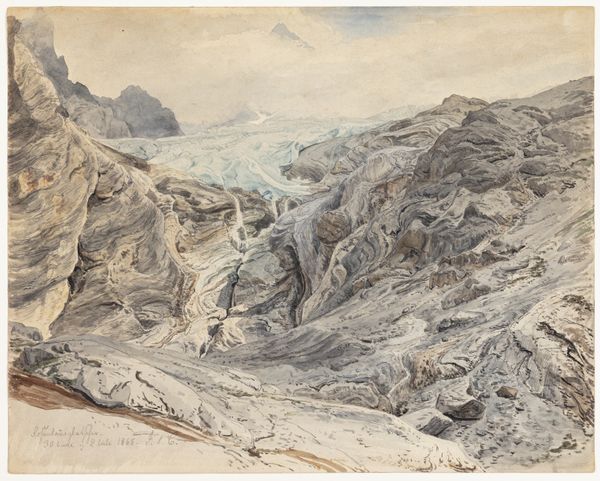
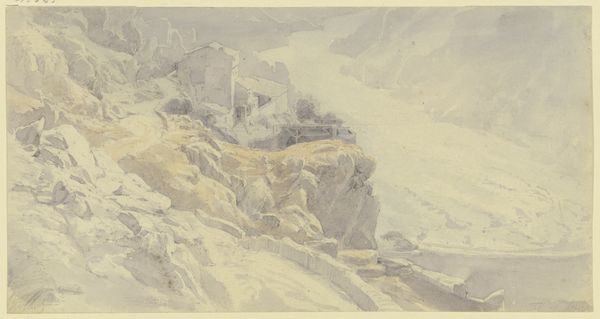
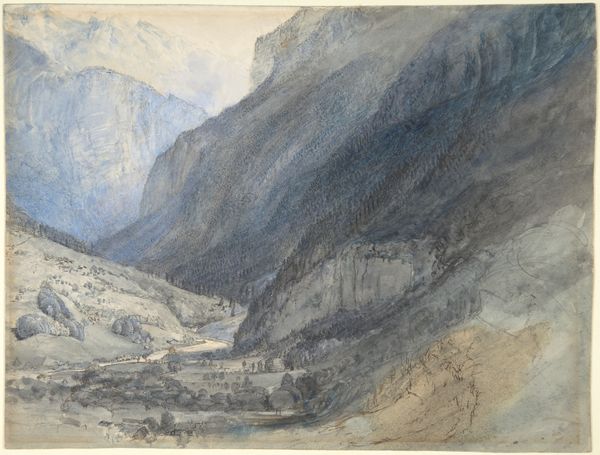
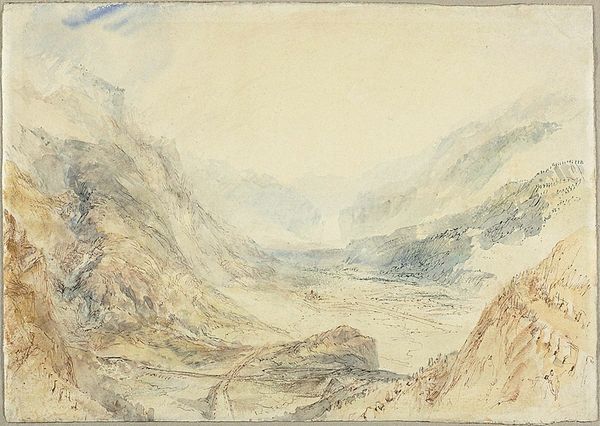
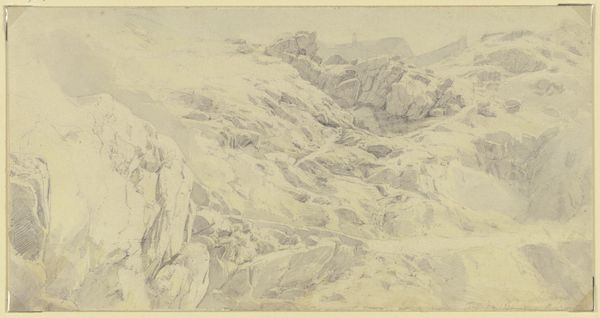
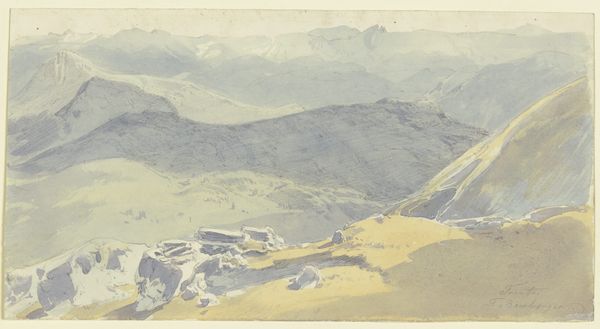
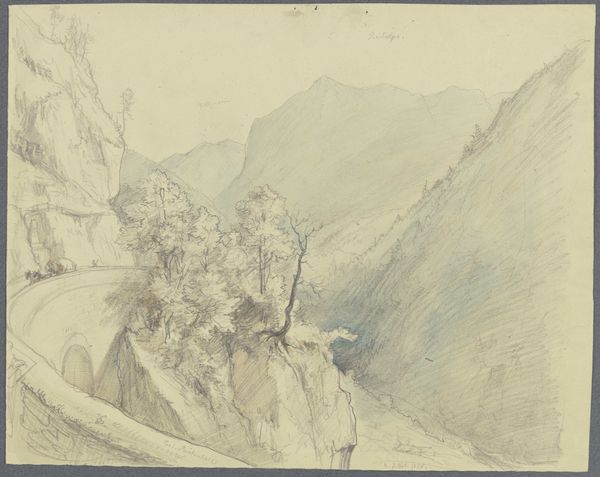
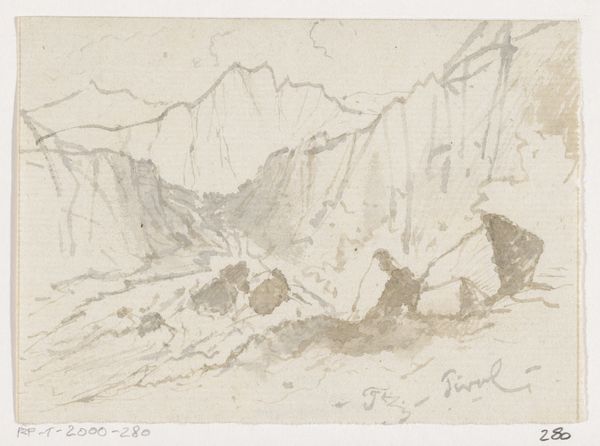
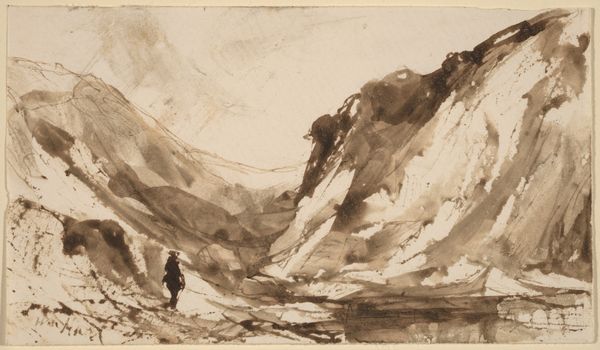
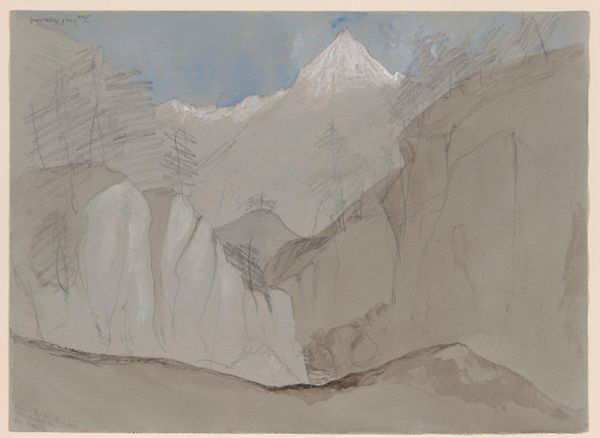
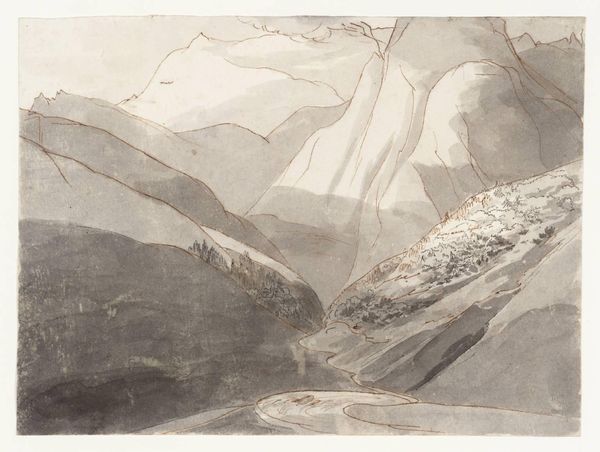
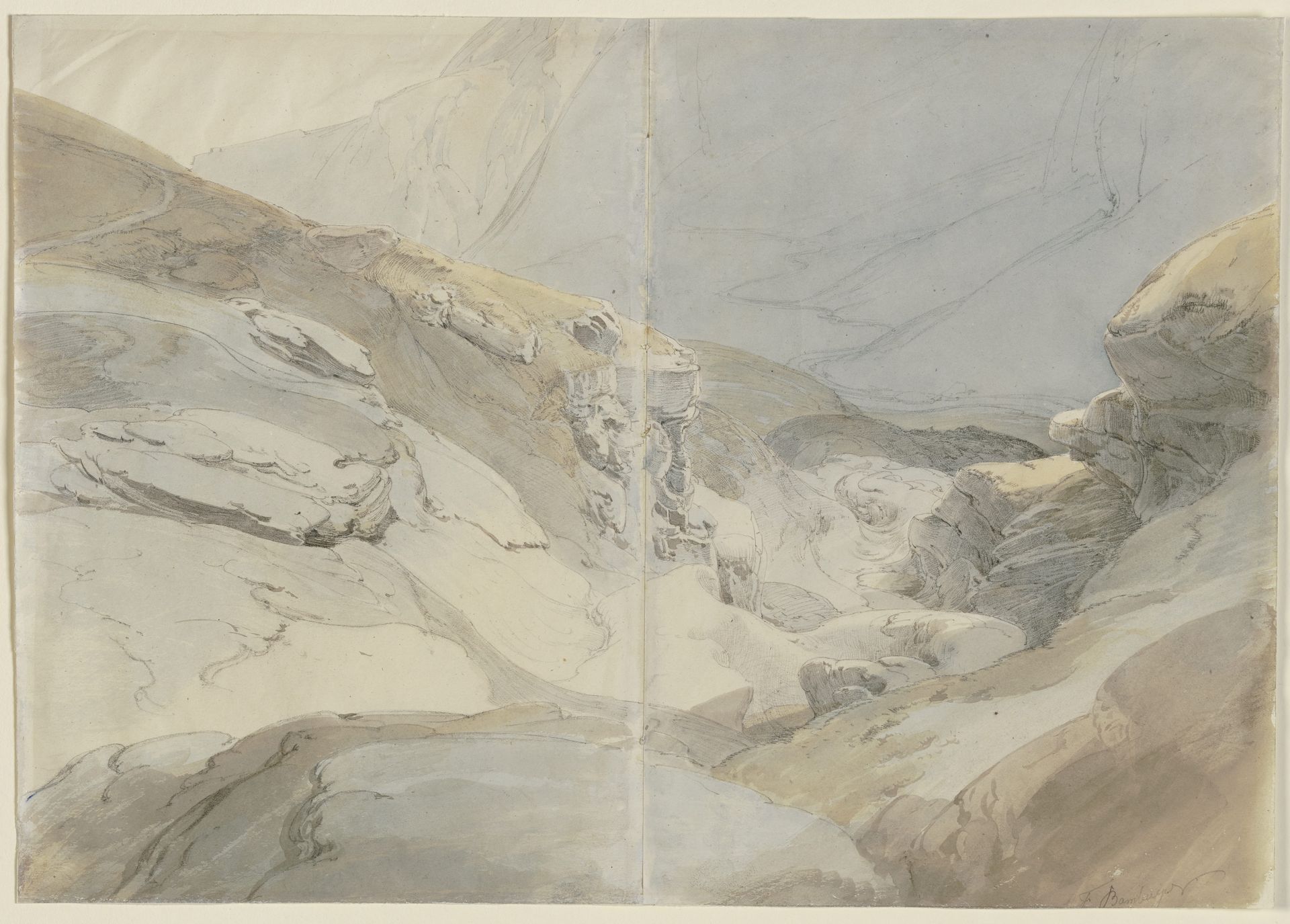
Fritz Bamberger made this watercolor and graphite drawing, Glacier, in the 19th century. The material qualities here are really interesting. Graphite offers precision. Think of it as a way of mapping the world, fixing it in place. The watercolor is quite different, much more atmospheric. It gives the impression of constant change, of erosion and flow, and the effects of light on ice. Notice how the artist juxtaposes these two approaches to rendering form. He's not just making a pretty picture, he's suggesting the powerful forces at play in the natural world. It is this interplay between permanence and impermanence, between fixity and flow that makes this drawing so compelling. Ultimately, by drawing attention to the artwork's material, making, and context, we can go beyond mere aesthetics and delve into a deeper understanding of its artistic and cultural meaning.


Artwork details
- Medium
- drawing
- Location
- Städel Museum
- Copyright
- Public Domain
Tags
Comments
Share your thoughts
About this artwork
Fritz Bamberger made this watercolor and graphite drawing, Glacier, in the 19th century. The material qualities here are really interesting. Graphite offers precision. Think of it as a way of mapping the world, fixing it in place. The watercolor is quite different, much more atmospheric. It gives the impression of constant change, of erosion and flow, and the effects of light on ice. Notice how the artist juxtaposes these two approaches to rendering form. He's not just making a pretty picture, he's suggesting the powerful forces at play in the natural world. It is this interplay between permanence and impermanence, between fixity and flow that makes this drawing so compelling. Ultimately, by drawing attention to the artwork's material, making, and context, we can go beyond mere aesthetics and delve into a deeper understanding of its artistic and cultural meaning.
Comments
Share your thoughts