About this artwork
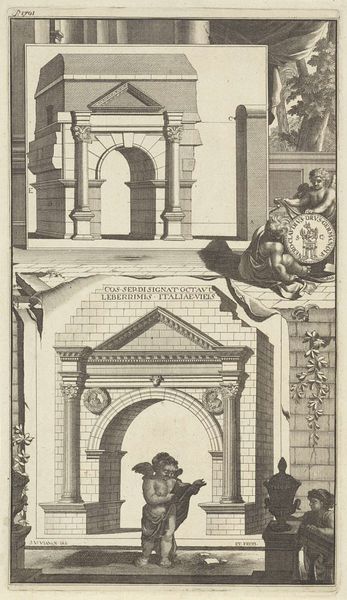
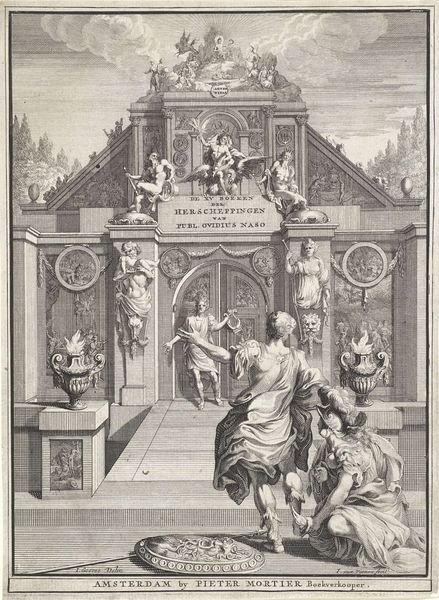
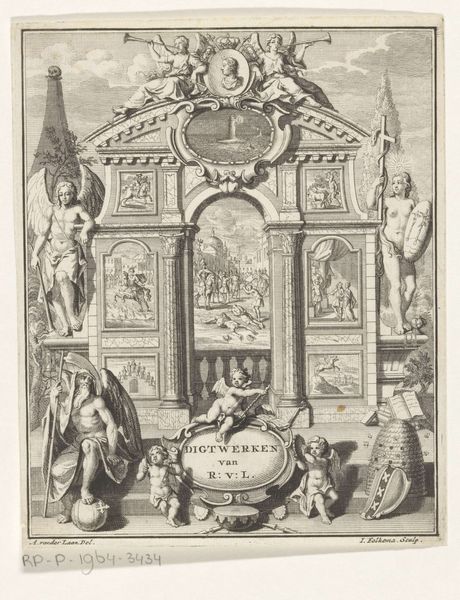
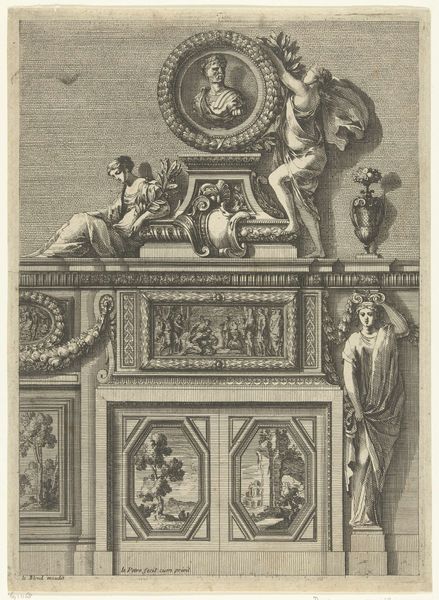
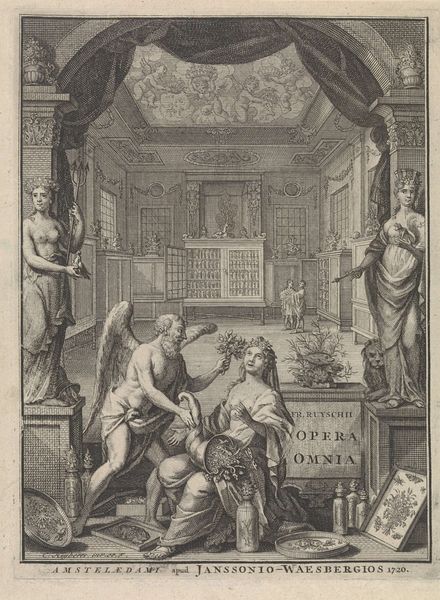
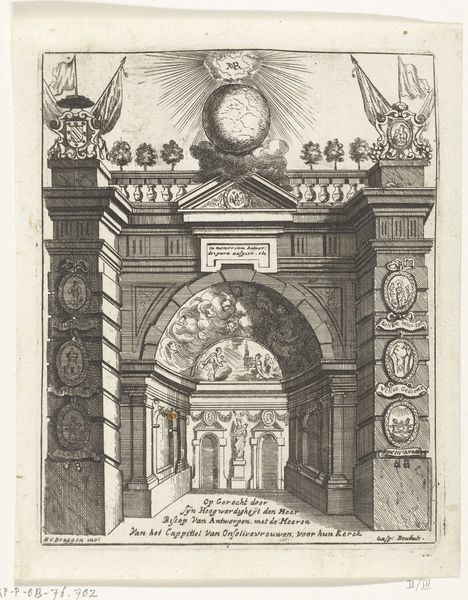
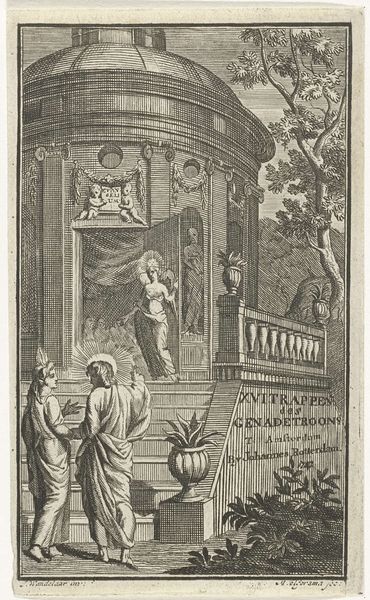
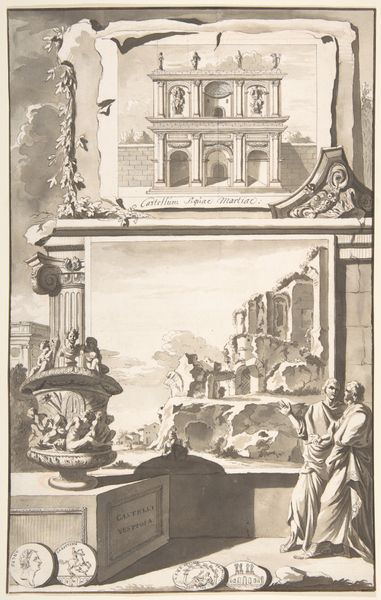
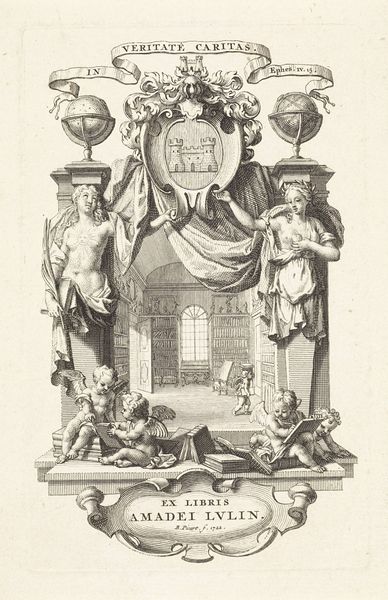
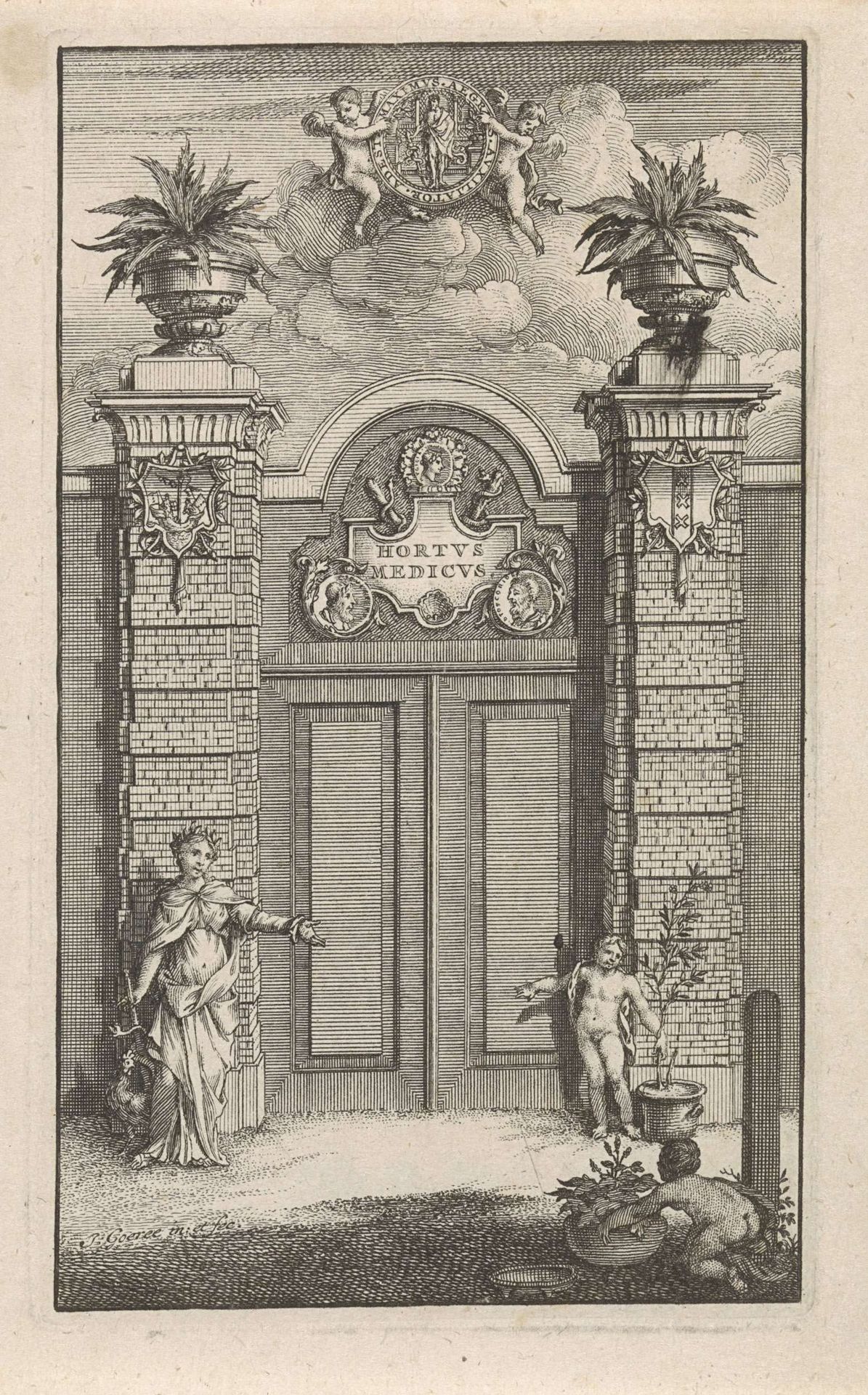
Jan Goeree created this print of the gate of the Hortus Medicus in Amsterdam around the turn of the 18th century. The space is framed by allegorical figures and botanic symbols, revealing the cultural aspirations of its time. The figures to either side of the door represent the power of nature and the arts. Winged putti hover above, flanking a cartouche with a figure representing knowledge or medicine. These figures, with roots in classical antiquity, appear throughout the Renaissance in varying forms. Notably, in Botticelli’s “Primavera,” we see Flora scattering flowers, a scene resonating with notions of spring and rebirth. Such imagery taps into deeply rooted archetypes of nature's cyclical renewal, speaking to our collective unconscious. The presence of these motifs is not merely decorative; it is a potent reminder of humanity's enduring connection to the natural world. The Hortus becomes not just a garden, but a symbolic gateway to understanding and harnessing nature’s healing potential.
Poort van de Hortus Medicus van Amsterdam
1680 - 1731

Jan Goeree
1670 - 1731Location
RijksmuseumArtwork details
- Dimensions
- height 136 mm, width 80 mm
- Location
- Rijksmuseum
- Copyright
- Rijks Museum: Open Domain
Tags
Comments
Share your thoughts
About this artwork
Jan Goeree created this print of the gate of the Hortus Medicus in Amsterdam around the turn of the 18th century. The space is framed by allegorical figures and botanic symbols, revealing the cultural aspirations of its time. The figures to either side of the door represent the power of nature and the arts. Winged putti hover above, flanking a cartouche with a figure representing knowledge or medicine. These figures, with roots in classical antiquity, appear throughout the Renaissance in varying forms. Notably, in Botticelli’s “Primavera,” we see Flora scattering flowers, a scene resonating with notions of spring and rebirth. Such imagery taps into deeply rooted archetypes of nature's cyclical renewal, speaking to our collective unconscious. The presence of these motifs is not merely decorative; it is a potent reminder of humanity's enduring connection to the natural world. The Hortus becomes not just a garden, but a symbolic gateway to understanding and harnessing nature’s healing potential.
Comments
Share your thoughts