About this artwork
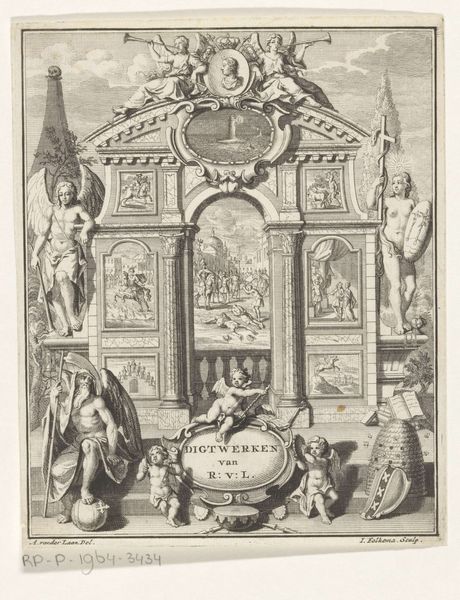
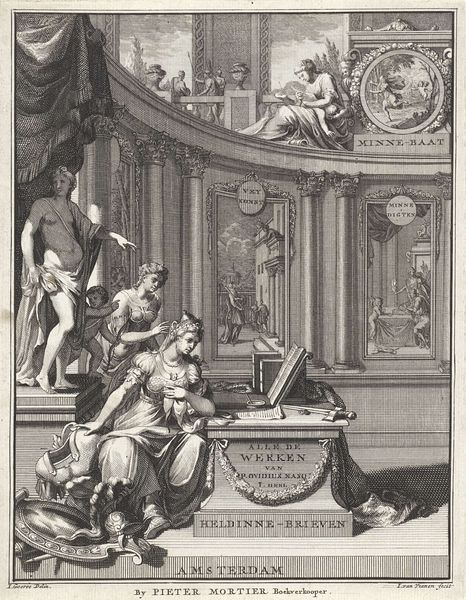
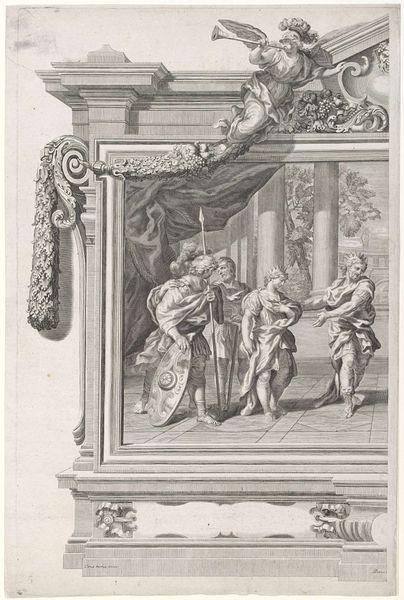
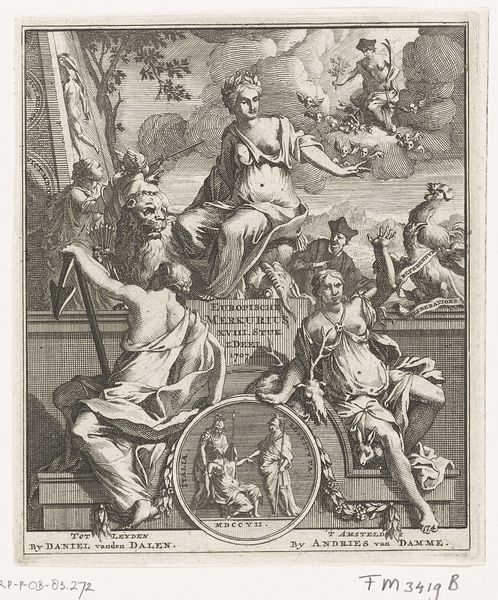
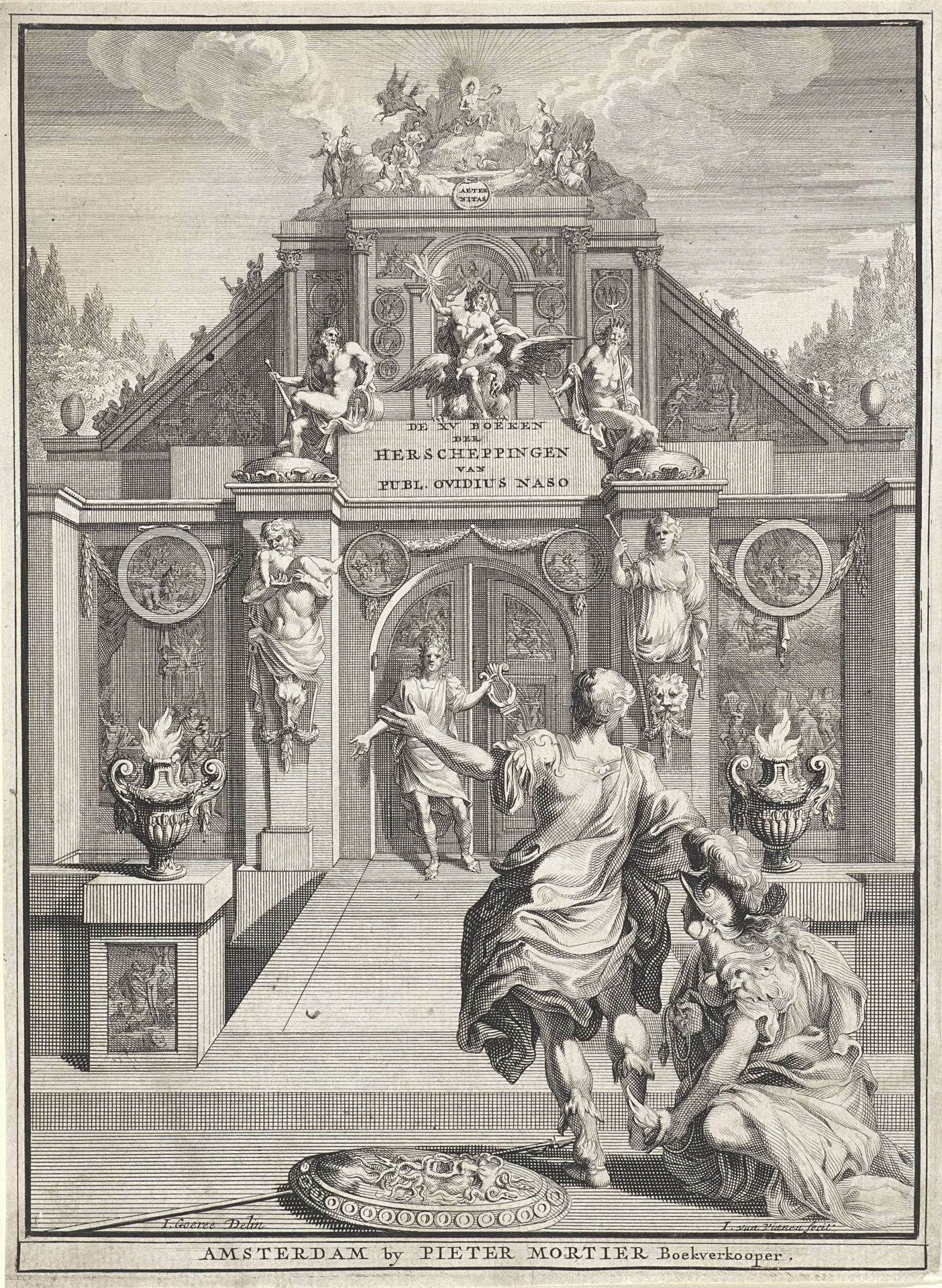
This print, made by Jan van Vianen around the turn of the 18th century, depicts Minerva and Apollo guiding Ovid to a temple. It was made using the technique of etching, which involves using acid to cut into a metal plate, and then using that plate to print multiple images. The fine lines and intricate details are achieved through careful control of the etching process, demonstrating great skill on the part of the printmaker. Consider the labor involved: from preparing the metal plate, to drawing the image, to the painstaking work of etching, and finally, the printing itself. In its time, this image would have been relatively accessible. The printing press allowed for the mass production of images, making art more available to a wider audience. Yet, it is important to remember the social context of production. While the image celebrates classical themes, its creation relied on the labor of artisans and craftspeople, reflecting the complex relationship between artistic production, class, and consumption in the early modern period. By recognizing the importance of materials, processes, and context, we can gain a deeper appreciation for this artwork.
Minerva en Apollo begeleiden Ovidius naar een tempel 1697

Jan van Vianen
1660 - 1726Location
RijksmuseumArtwork details
- Medium
- print, engraving
- Dimensions
- height 224 mm, width 164 mm
- Location
- Rijksmuseum
- Copyright
- Rijks Museum: Open Domain
Tags
narrative-art
baroque
old engraving style
caricature
figuration
classicism
history-painting
engraving
Comments
No comments
About this artwork
This print, made by Jan van Vianen around the turn of the 18th century, depicts Minerva and Apollo guiding Ovid to a temple. It was made using the technique of etching, which involves using acid to cut into a metal plate, and then using that plate to print multiple images. The fine lines and intricate details are achieved through careful control of the etching process, demonstrating great skill on the part of the printmaker. Consider the labor involved: from preparing the metal plate, to drawing the image, to the painstaking work of etching, and finally, the printing itself. In its time, this image would have been relatively accessible. The printing press allowed for the mass production of images, making art more available to a wider audience. Yet, it is important to remember the social context of production. While the image celebrates classical themes, its creation relied on the labor of artisans and craftspeople, reflecting the complex relationship between artistic production, class, and consumption in the early modern period. By recognizing the importance of materials, processes, and context, we can gain a deeper appreciation for this artwork.
Comments
No comments