About this artwork
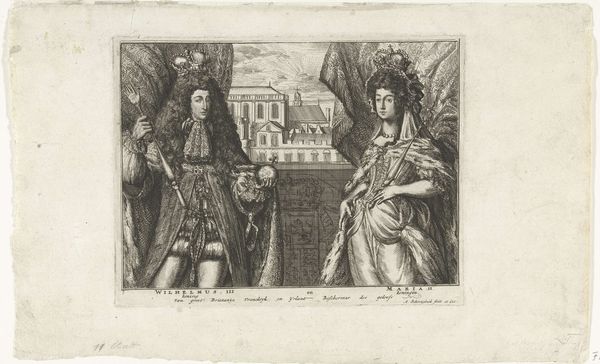
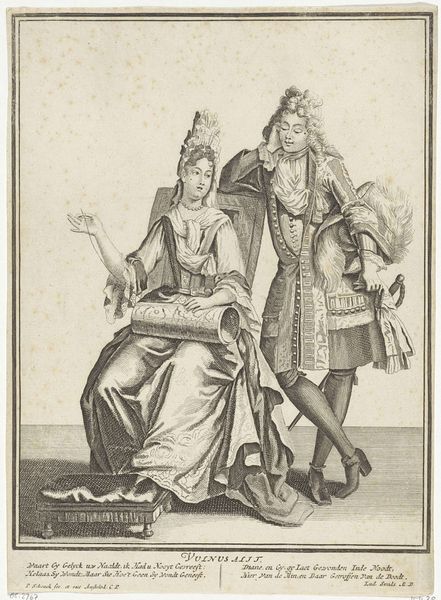
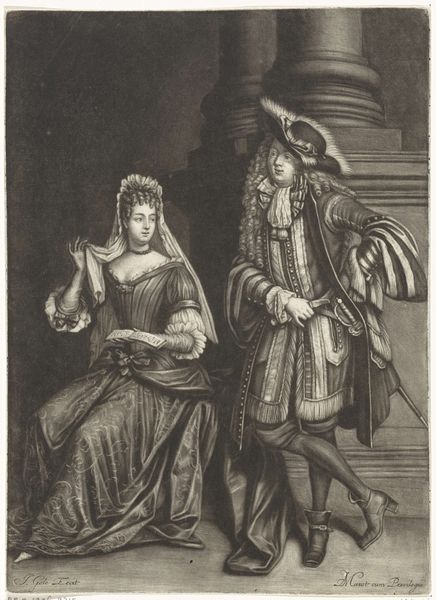
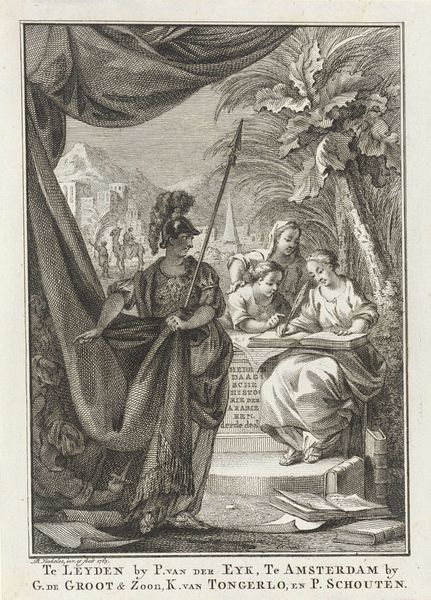
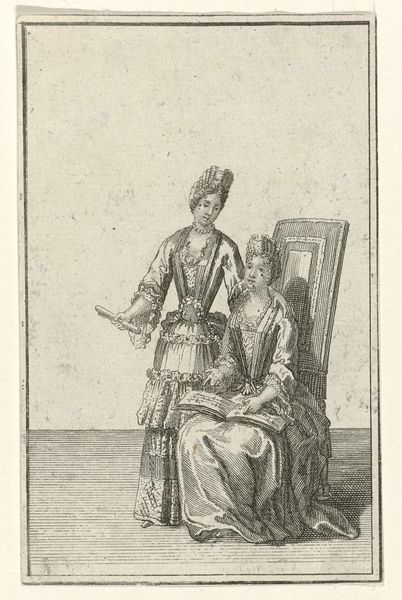
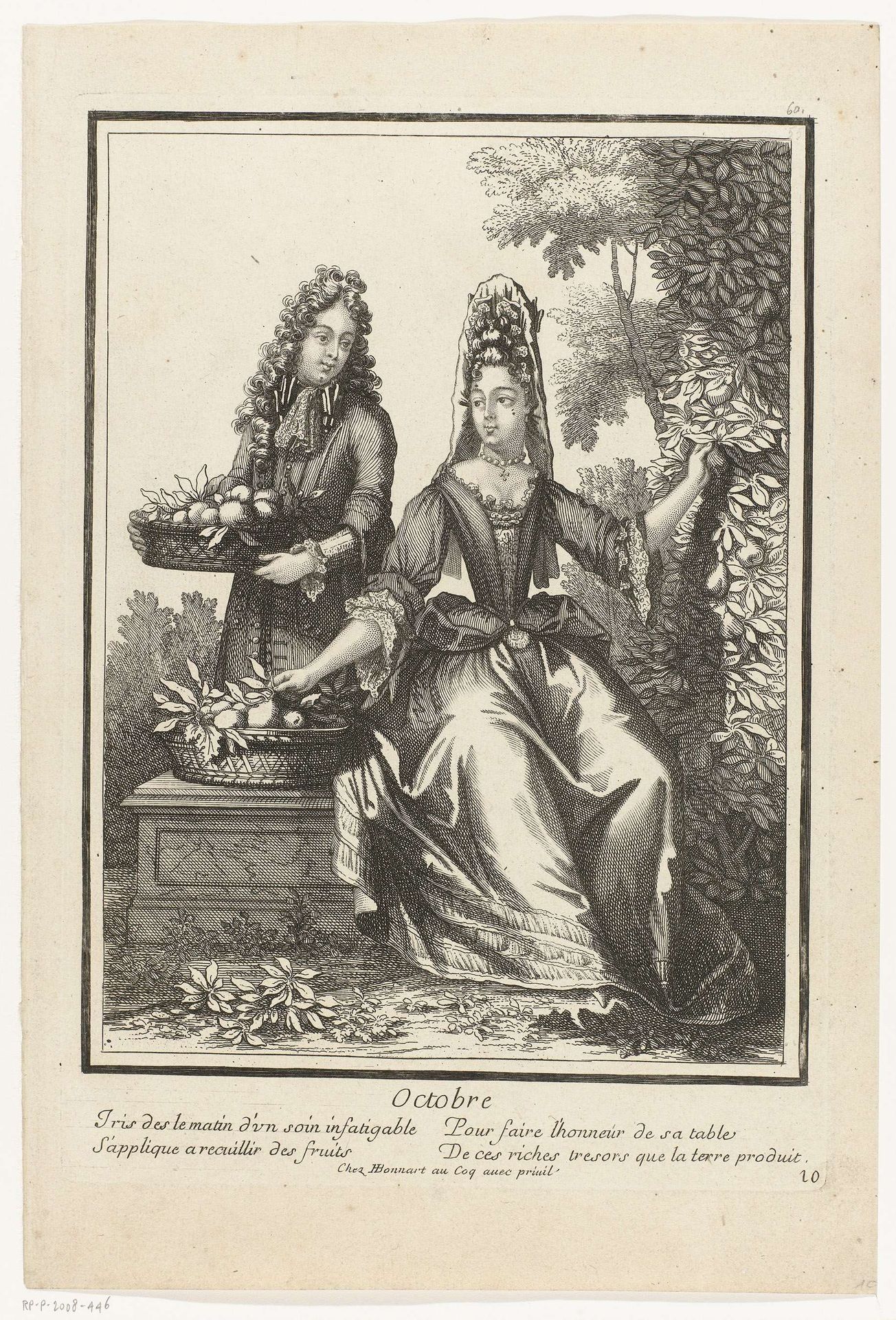
Henri Bonnart created this print, titled "October," likely in the late 17th or early 18th century, using engraving techniques to create a structured composition. The linear precision and balanced arrangement evoke a mood of serene order. The print depicts two figures and elements of the autumn harvest with fine, detailed lines to delineate forms and textures. Consider how Bonnart uses the formal structure of his design to communicate broader ideas about nature and society. The symmetrical arrangement of figures and foliage creates a sense of balance, but also presents nature as a carefully ordered construct, suggesting a prevailing worldview. Notice the detailed lines of the women's dresses, and the textures of the leaves in relation to one another. Does this detailed aesthetic representation reflect the philosophical and cultural values of Bonnart's time? Is the structured arrangement of the print a reflection of a desire to impose order on the natural world?

Artwork details
- Medium
- print, engraving
- Dimensions
- height 272 mm, width 192 mm
- Location
- Rijksmuseum
- Copyright
- Rijks Museum: Open Domain
Tags
Comments
Share your thoughts
About this artwork
Henri Bonnart created this print, titled "October," likely in the late 17th or early 18th century, using engraving techniques to create a structured composition. The linear precision and balanced arrangement evoke a mood of serene order. The print depicts two figures and elements of the autumn harvest with fine, detailed lines to delineate forms and textures. Consider how Bonnart uses the formal structure of his design to communicate broader ideas about nature and society. The symmetrical arrangement of figures and foliage creates a sense of balance, but also presents nature as a carefully ordered construct, suggesting a prevailing worldview. Notice the detailed lines of the women's dresses, and the textures of the leaves in relation to one another. Does this detailed aesthetic representation reflect the philosophical and cultural values of Bonnart's time? Is the structured arrangement of the print a reflection of a desire to impose order on the natural world?
Comments
Share your thoughts