About this artwork
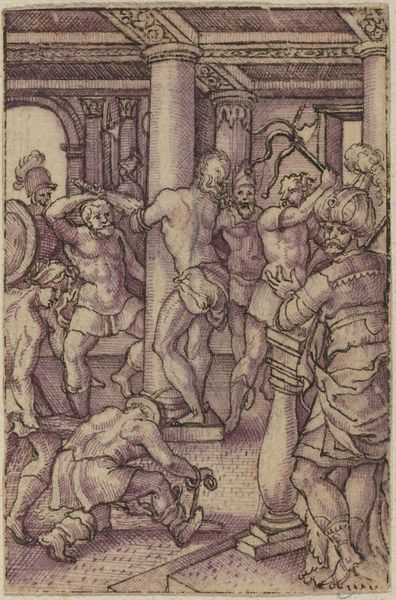
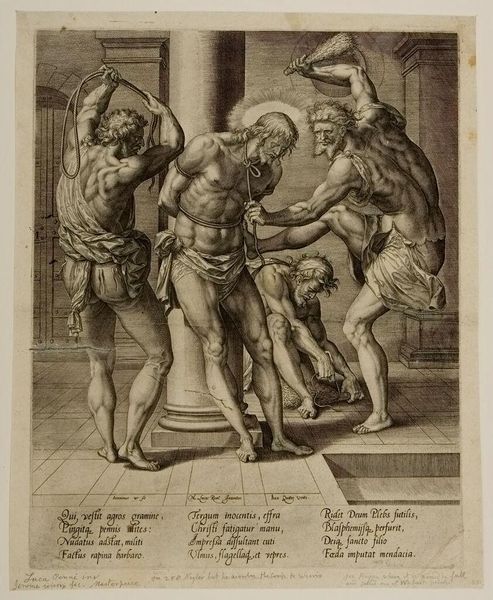
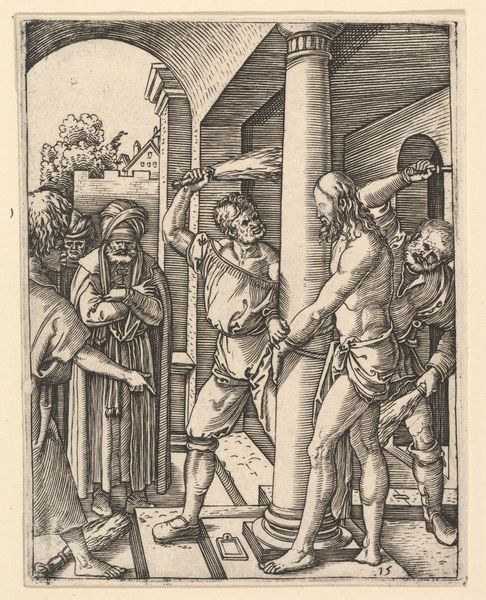
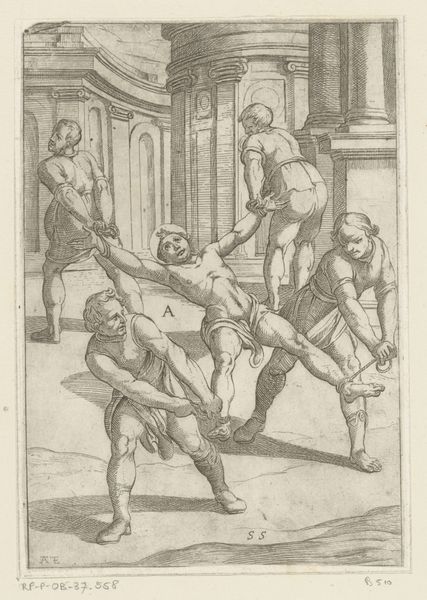
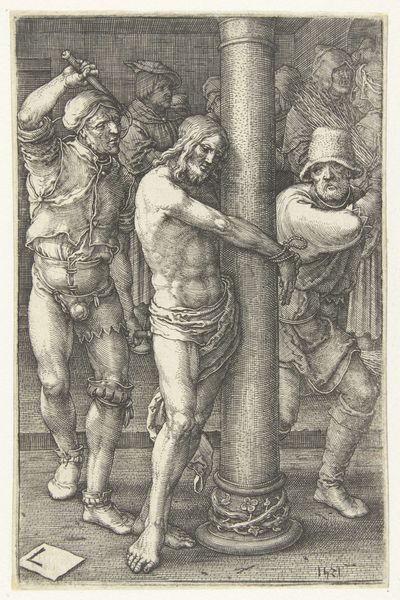
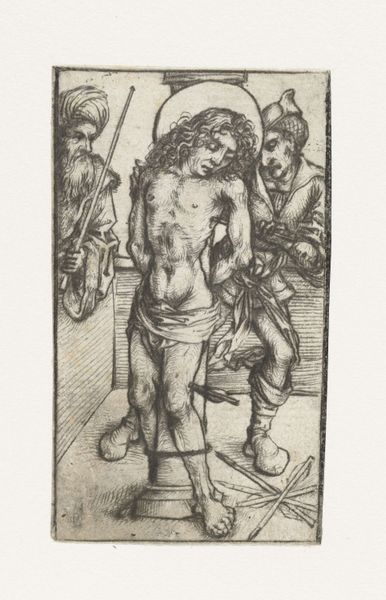
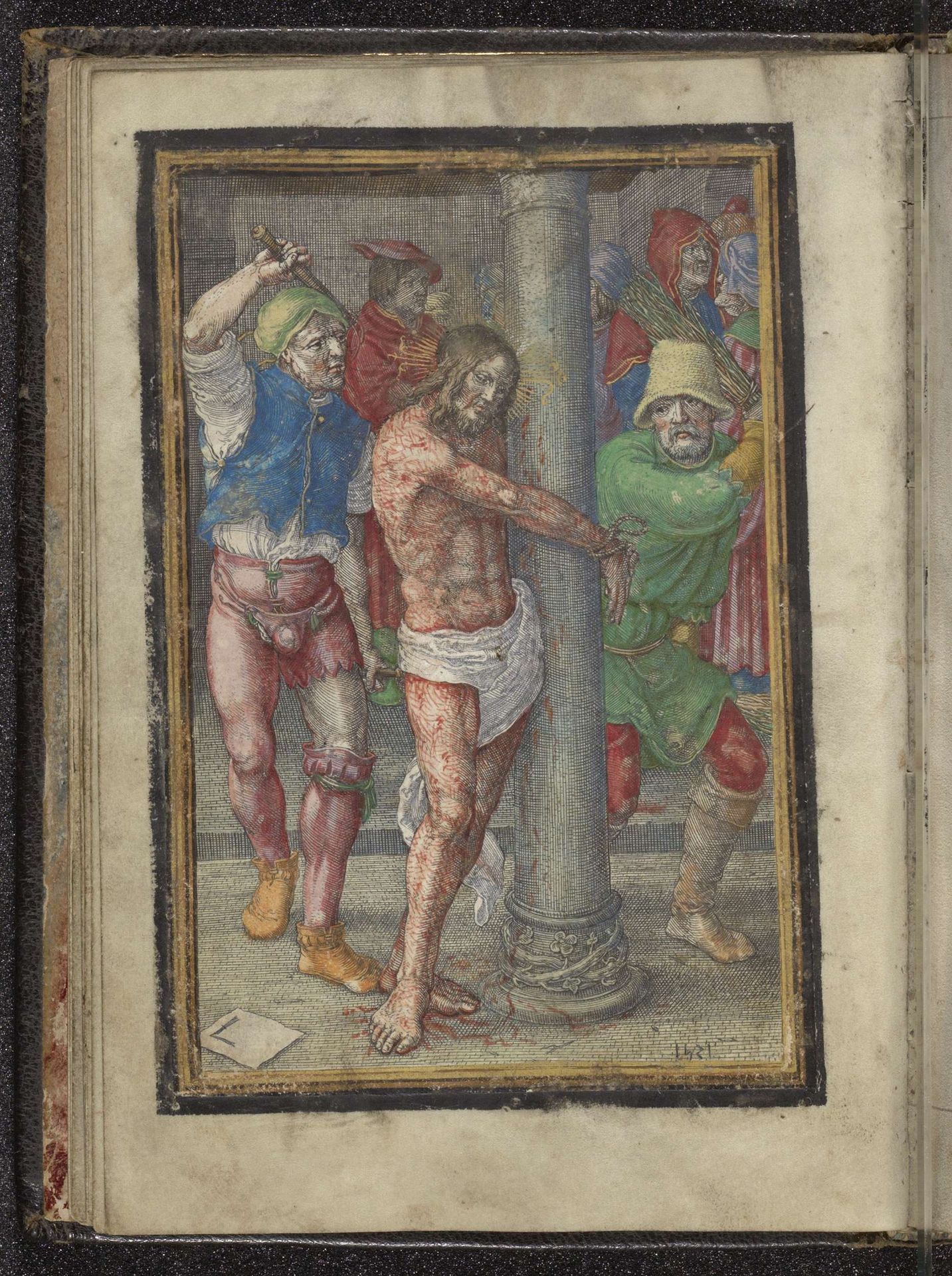
Lucas van Leyden rendered this engraving of the flagellation with a burin around 1521. The tormentors’ whips and rods recall instruments of discipline and punishment across cultures. Note the column to which Christ is bound; an emblem of Roman authority, it becomes, paradoxically, a symbol of Christian martyrdom and spiritual endurance. Consider its visual echo in depictions of other bound figures, such as Prometheus chained to a rock—archetypes of suffering and defiance. This motif of binding and torment recurs throughout art history, revealing a deep, collective fascination with the themes of sacrifice, power, and the human capacity for cruelty. The emotional power of this image lies in its raw depiction of suffering, engaging viewers on a subconscious level by evoking primal fears and anxieties. The column and the instruments of torture are not merely historical artifacts; they are potent symbols that transcend time, resurfacing in various forms to reflect evolving cultural anxieties. The non-linear progression of symbols, their evolution and adaptation, reveal profound insights into the cyclical nature of human experience.

Artwork details
- Medium
- drawing, print, pen, engraving
- Dimensions
- height 149 mm, width 105 mm
- Location
- Rijksmuseum
- Copyright
- Rijks Museum: Open Domain
Tags
drawing
narrative-art
figuration
coloured pencil
pen
history-painting
italian-renaissance
engraving
Comments
No comments
About this artwork
Lucas van Leyden rendered this engraving of the flagellation with a burin around 1521. The tormentors’ whips and rods recall instruments of discipline and punishment across cultures. Note the column to which Christ is bound; an emblem of Roman authority, it becomes, paradoxically, a symbol of Christian martyrdom and spiritual endurance. Consider its visual echo in depictions of other bound figures, such as Prometheus chained to a rock—archetypes of suffering and defiance. This motif of binding and torment recurs throughout art history, revealing a deep, collective fascination with the themes of sacrifice, power, and the human capacity for cruelty. The emotional power of this image lies in its raw depiction of suffering, engaging viewers on a subconscious level by evoking primal fears and anxieties. The column and the instruments of torture are not merely historical artifacts; they are potent symbols that transcend time, resurfacing in various forms to reflect evolving cultural anxieties. The non-linear progression of symbols, their evolution and adaptation, reveal profound insights into the cyclical nature of human experience.
Comments
No comments