1731 - 1788
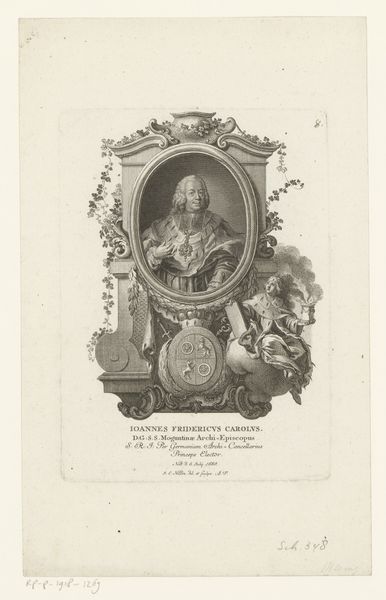
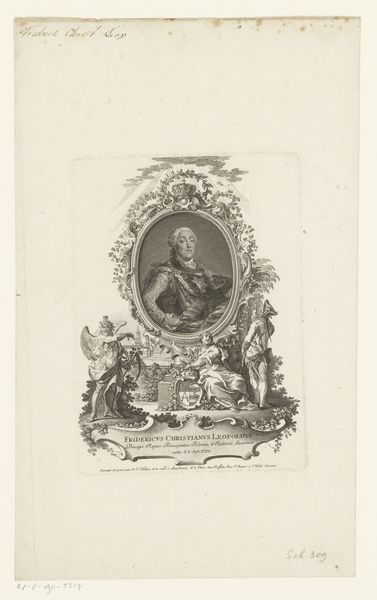
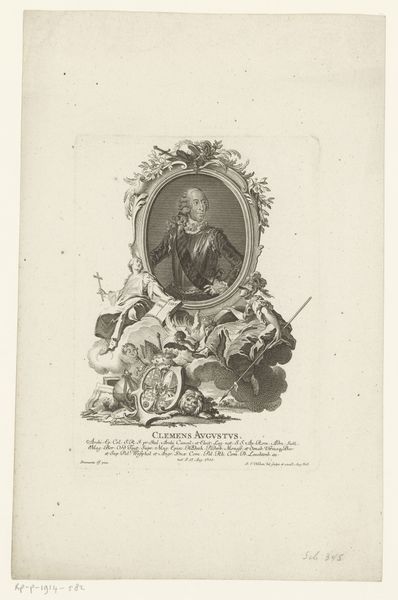
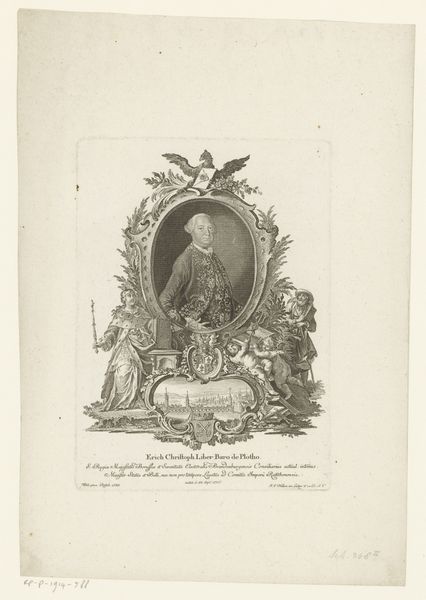
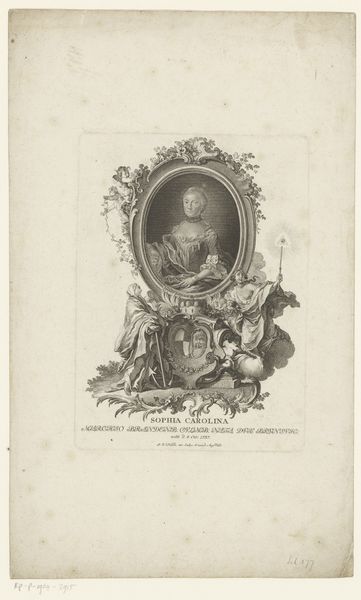
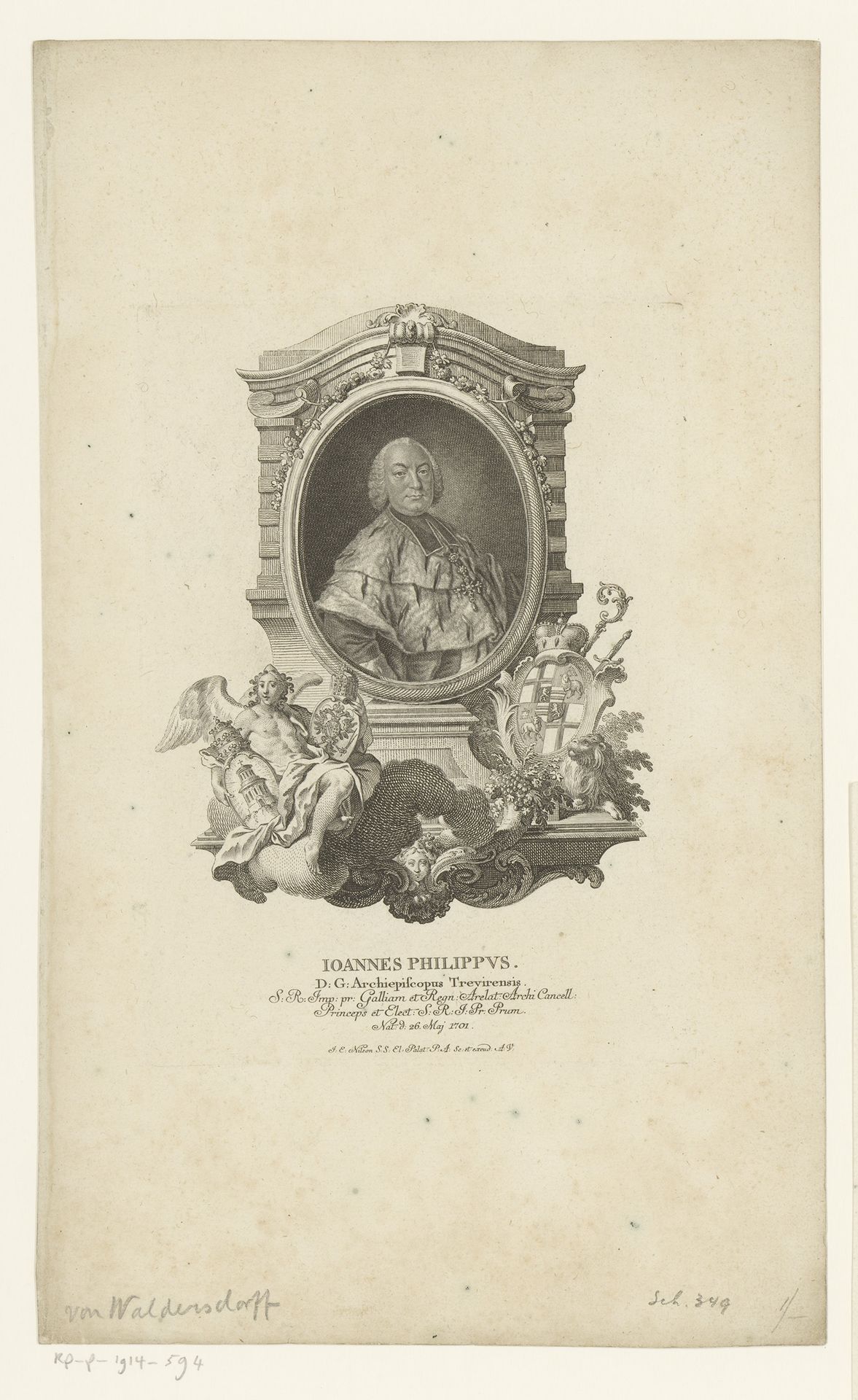
Portret van Johann Philipp von Walderdorff

Johann Esaias Nilson
1721 - 1788Location
RijksmuseumListen to curator's interpretation
Curatorial notes
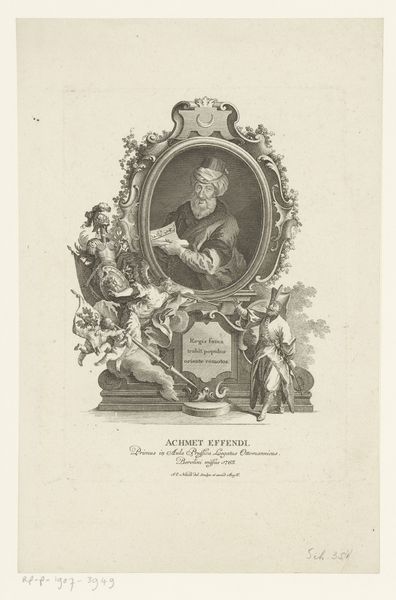
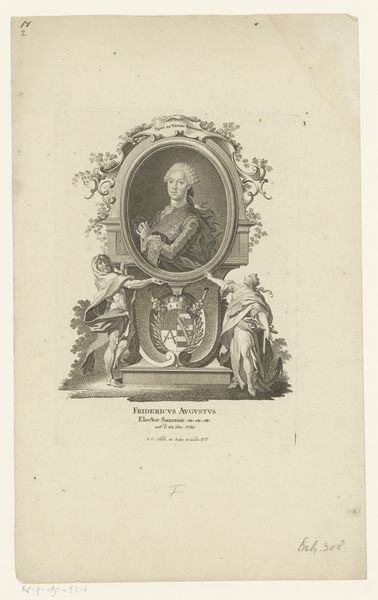
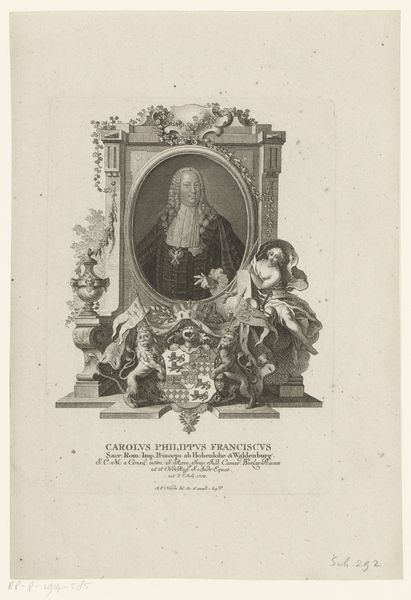
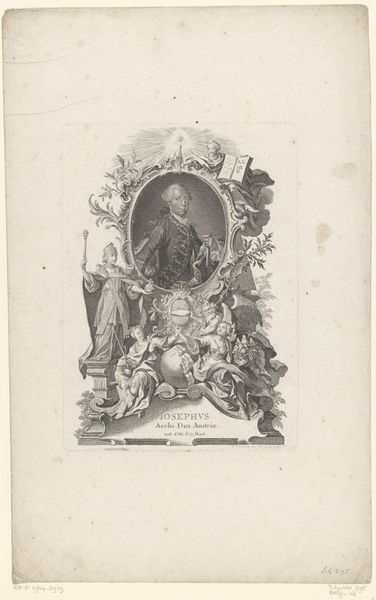
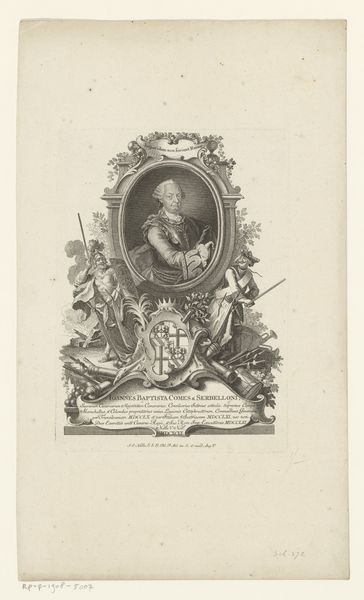
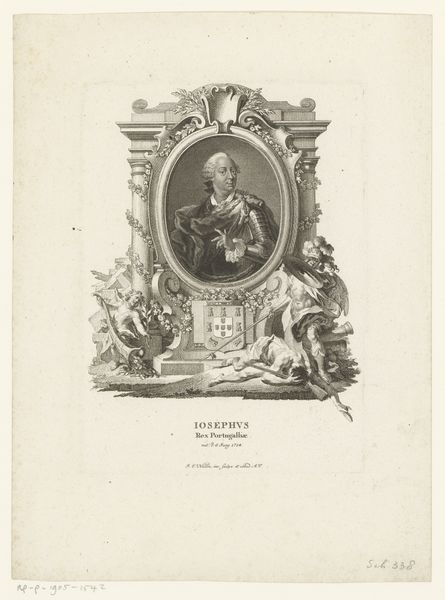
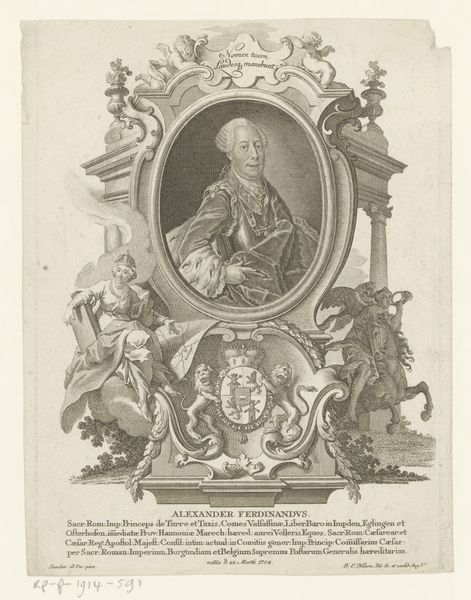
Johann Esaias Nilson made this print of Johann Philipp von Walderdorff using etching and engraving techniques. Prints like this served a vital social function in 18th-century Europe. In an age before photography, the dissemination of images through printmaking was a vital means of building and maintaining social connections. The print flattens the three dimensions of a painted portrait into two, which means it could be reproduced easily and distributed widely. Walderdorff was the Archbishop of Trier, one of the most powerful prince-bishops in the Holy Roman Empire, and Nilson's print would have helped to reinforce his image of authority. This was a society that believed in divine right, and religious imagery, emblems, and heraldry all played a role in reinforcing power structures. Art historians consult sources like letters, diaries, and administrative records to better understand the social function of art. Each work offers a unique window into its culture.