About this artwork
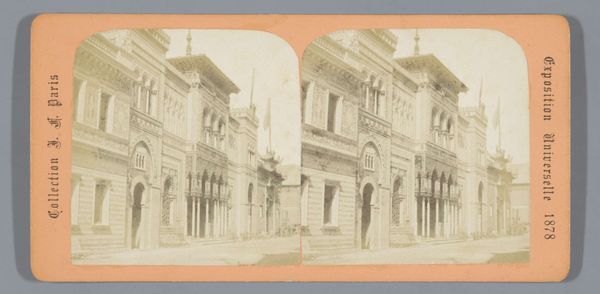
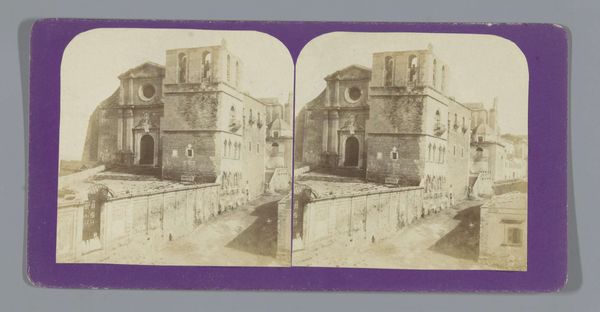
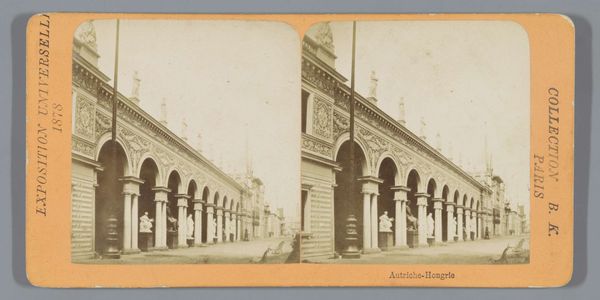
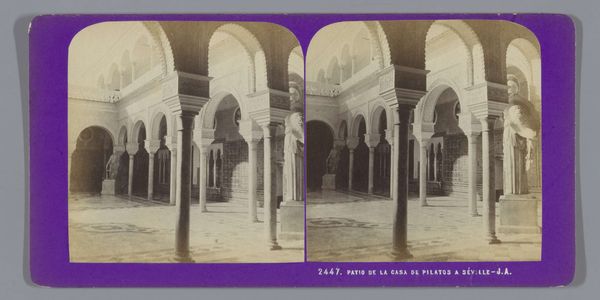
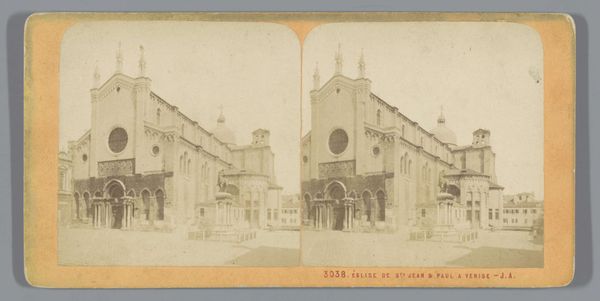
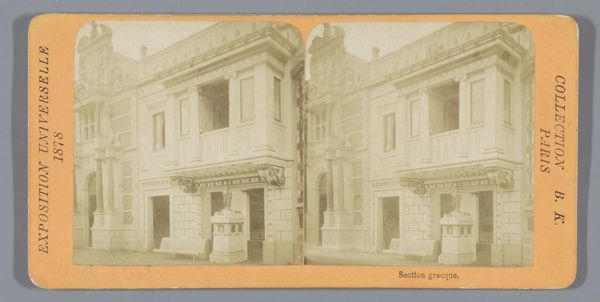
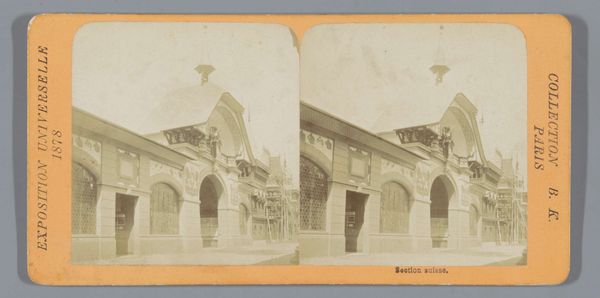
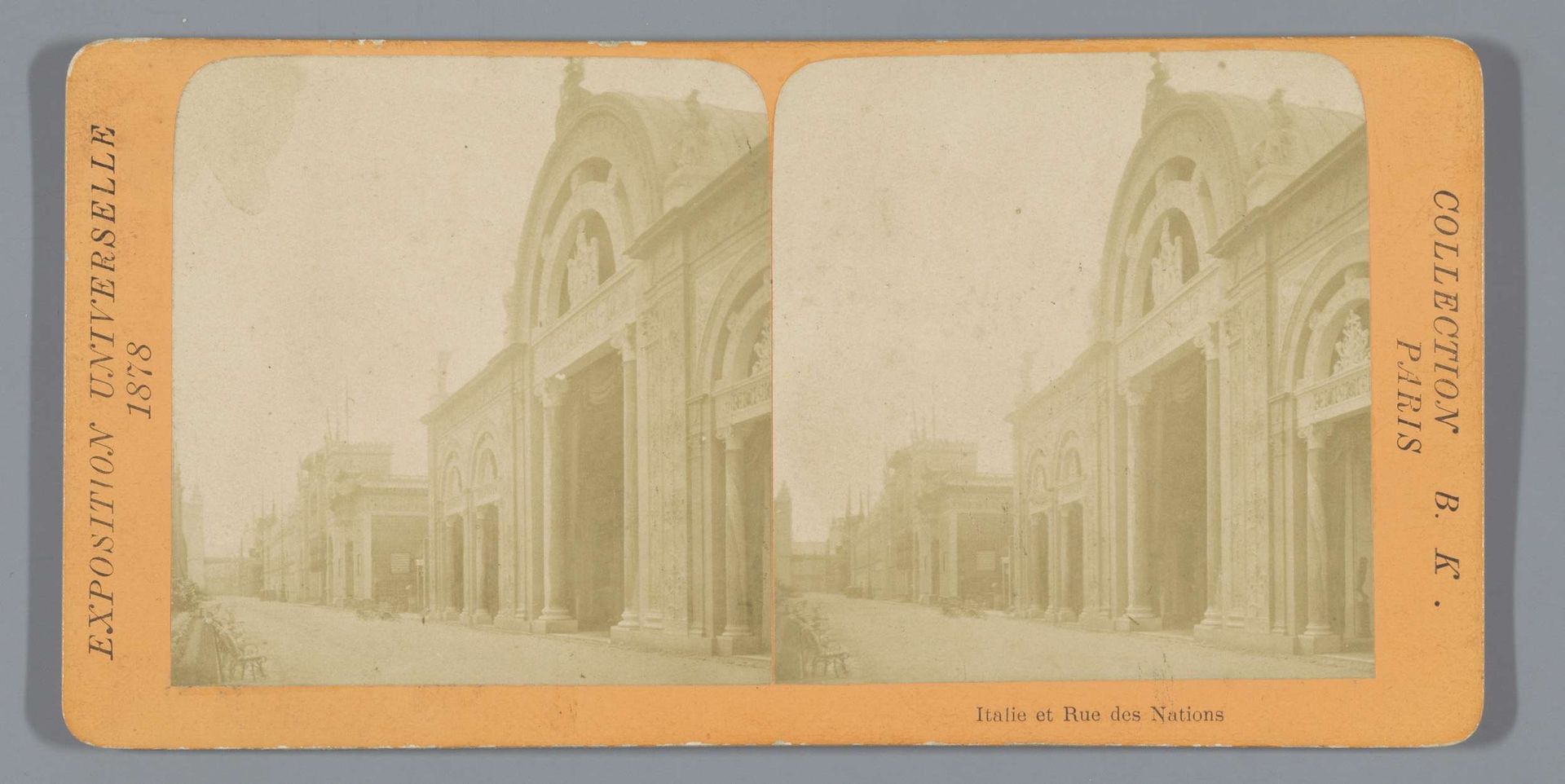
This stereograph by Adolphe Block captures the Italian Pavilion and the Rue des Nations at the 1878 World's Fair in Paris. These World's Fair pavilions showcased not just national pride, but also the complex relationship between nations, especially in the wake of significant political and social upheaval across Europe. Consider the dual nature of these exhibitions: they were celebrations of progress and industry, but also subtle displays of power and cultural identity. Each pavilion was a stage for constructing and performing a national narrative. The Rue des Nations, intended to represent unity, was in reality a careful negotiation of national identities, each vying for attention and prestige. What does it mean to present a nation, to define its borders and character, through architecture and display? Block’s stereograph invites us to reflect on the constructed nature of national identity, and the complex politics of representation at play in such grand displays of unity. The echoes of these constructions still resonate today, reminding us that identity is always in dialogue with history, power, and perception.
Italiaanse paviljoen en de Rue des Nations op de Wereldtentoonstelling van 1878 1878

Adolphe Block
1829 - 1918Location
RijksmuseumArtwork details
- Medium
- print, photography
- Dimensions
- height 87 mm, width 175 mm
- Location
- Rijksmuseum
- Copyright
- Rijks Museum: Open Domain
Tags
photography
cityscape
academic-art
realism
Comments
No comments
About this artwork
This stereograph by Adolphe Block captures the Italian Pavilion and the Rue des Nations at the 1878 World's Fair in Paris. These World's Fair pavilions showcased not just national pride, but also the complex relationship between nations, especially in the wake of significant political and social upheaval across Europe. Consider the dual nature of these exhibitions: they were celebrations of progress and industry, but also subtle displays of power and cultural identity. Each pavilion was a stage for constructing and performing a national narrative. The Rue des Nations, intended to represent unity, was in reality a careful negotiation of national identities, each vying for attention and prestige. What does it mean to present a nation, to define its borders and character, through architecture and display? Block’s stereograph invites us to reflect on the constructed nature of national identity, and the complex politics of representation at play in such grand displays of unity. The echoes of these constructions still resonate today, reminding us that identity is always in dialogue with history, power, and perception.
Comments
No comments