15th century
The Ascension

School of Nottingham
@schoolofnottingham
The Metropolitan Museum of Art
Metropolitan Museum of Art, New York, NYListen to curator's interpretation
Curatorial notes
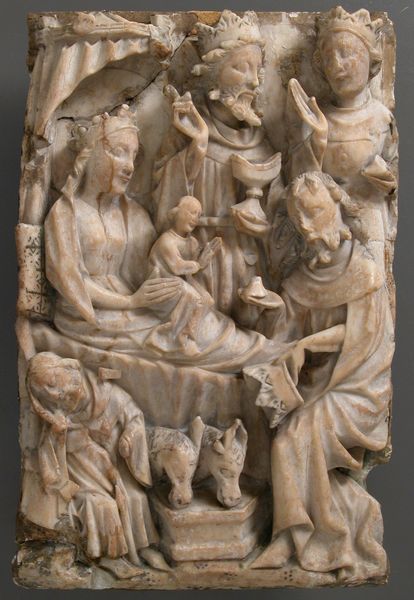
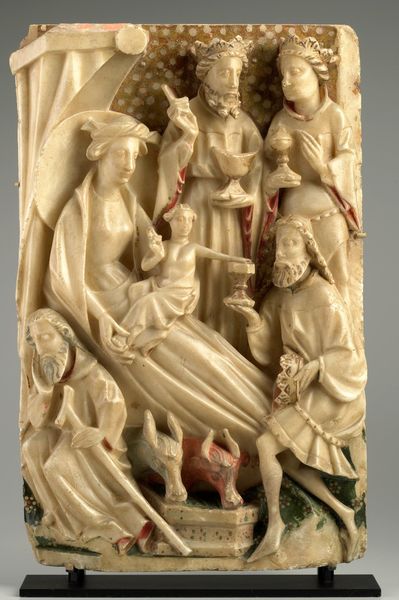
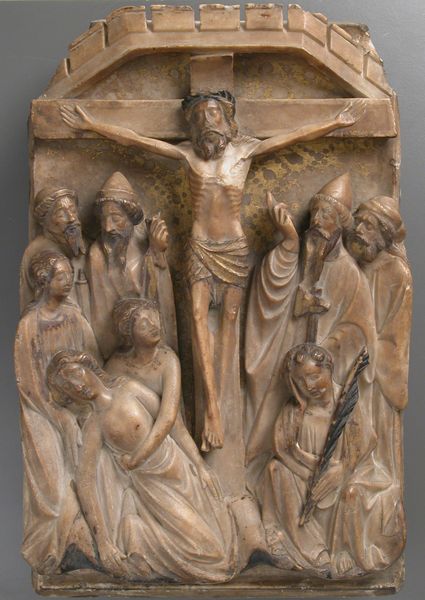
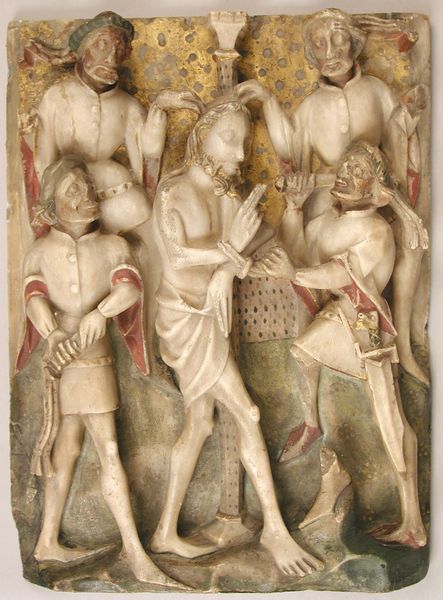
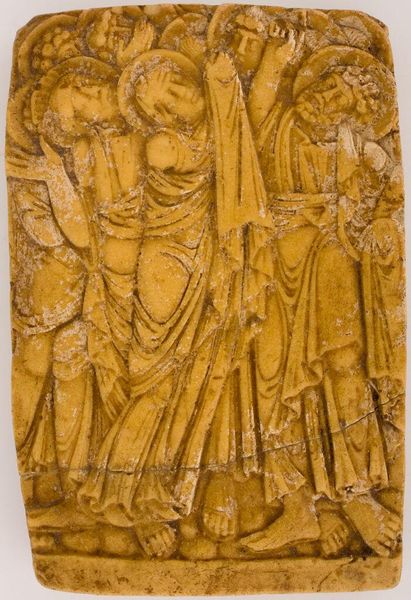
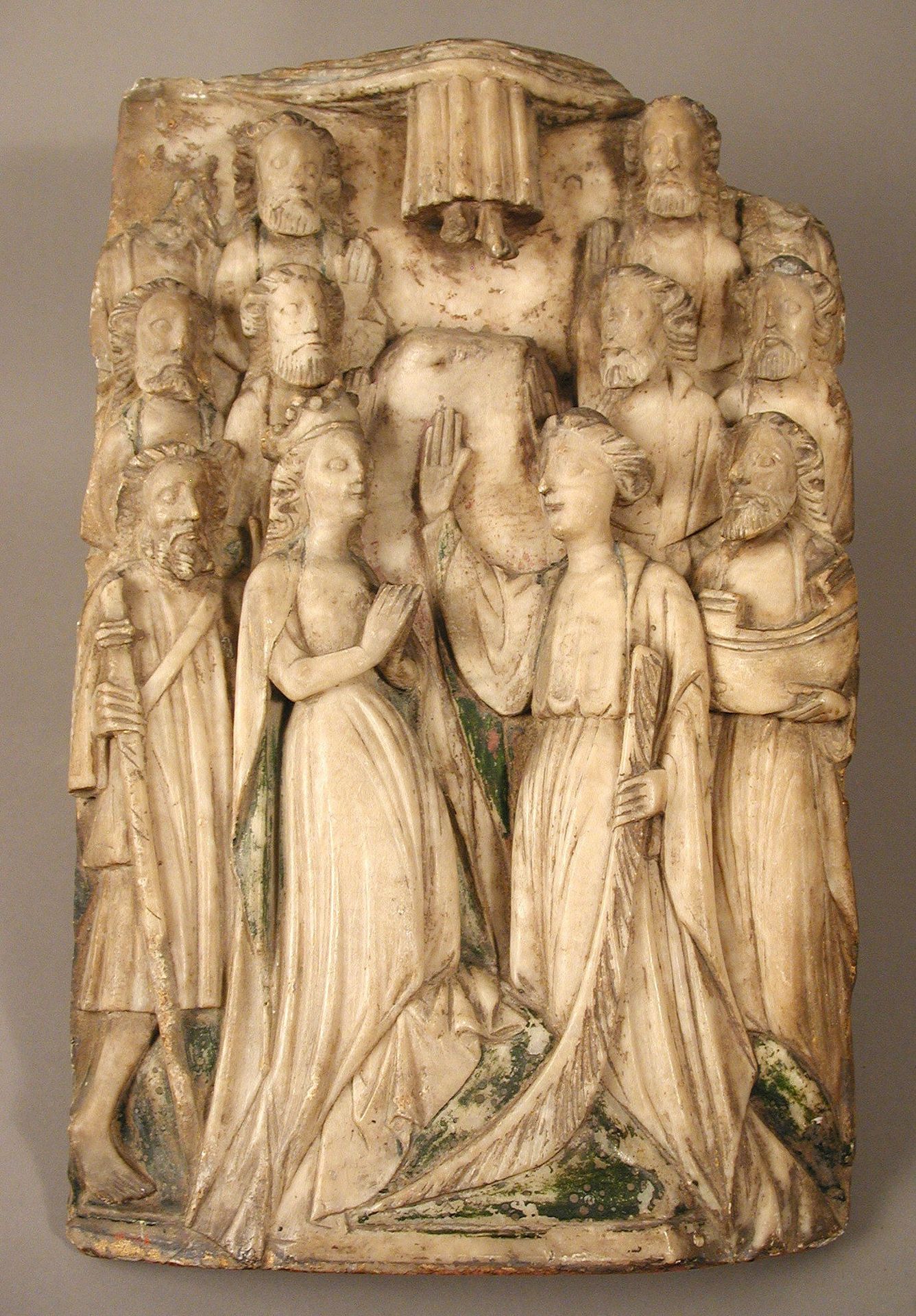
This relief sculpture of the Ascension was carved in Nottingham, England, most likely in the 1400s. It's made of alabaster, a soft, fine-grained stone that was quarried locally. Nottingham became famous for these alabaster carvings, which were often brightly painted, though much of the color has been lost over time. The stone lends itself to delicate carving. See how the artist captured the flowing drapery, the expressive faces, and the sense of upward movement. The sculpture would have been made by skilled artisans, working in workshops, producing these objects for churches and wealthy individuals. Nottingham alabasters like this one were traded extensively across Europe, so this was a kind of manufacturing process with international reach. Looking at this piece, we can appreciate not just the religious narrative, but also the skill of the carvers, and the way these objects connected local materials to a global economy. It's a reminder that art is always made by someone, somewhere, for a reason.