About this artwork
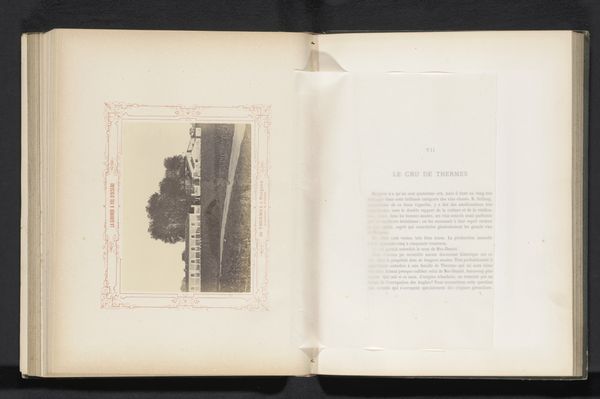
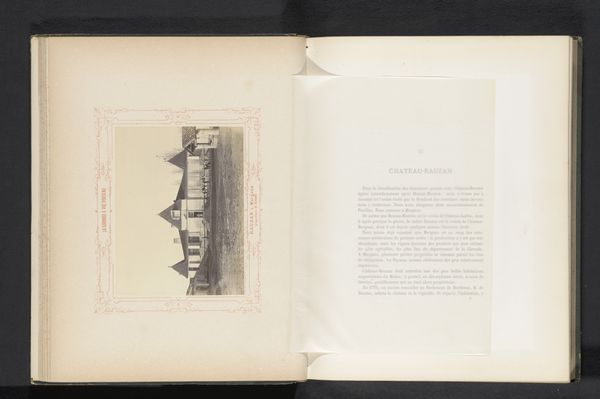
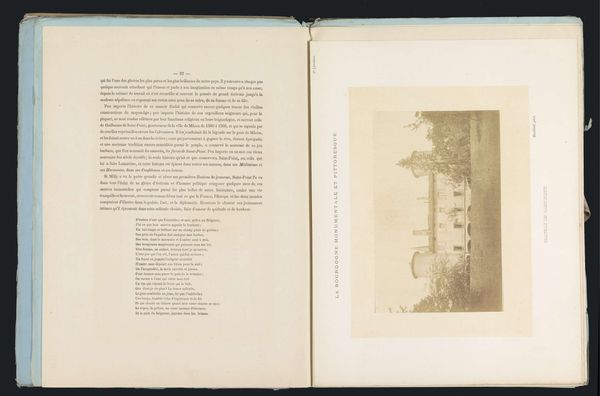
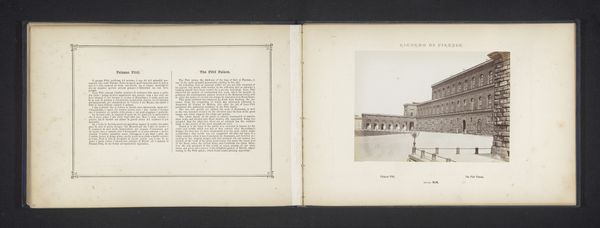
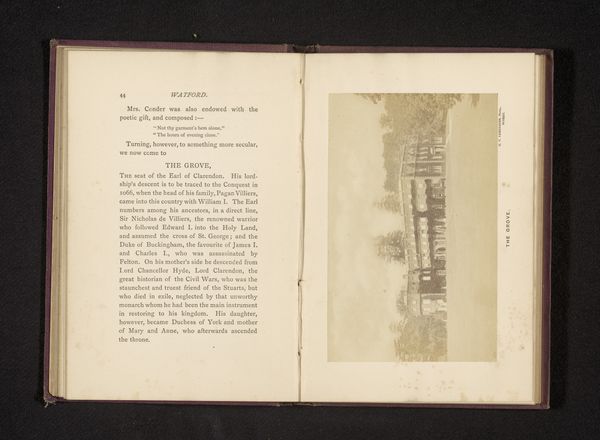
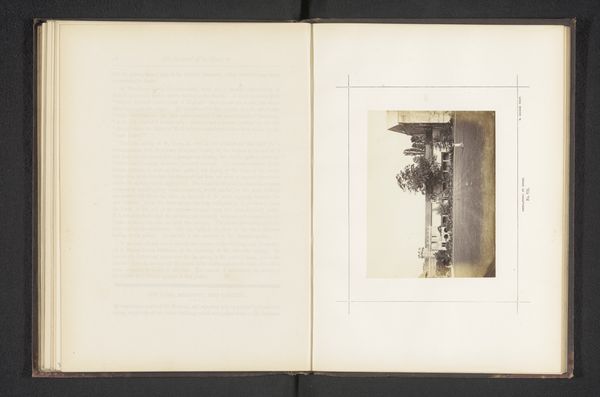
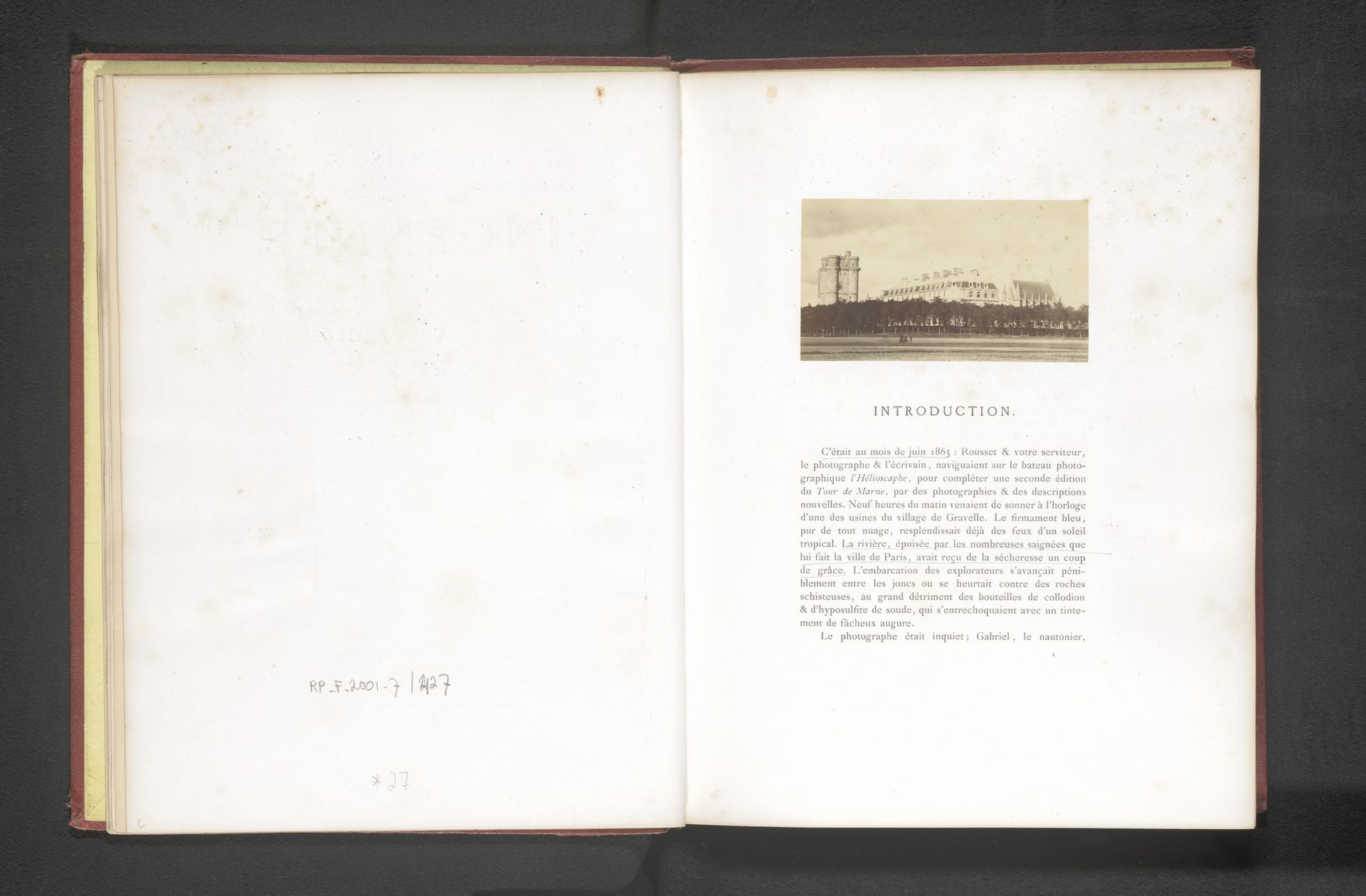
Émile de La Bédollière's photograph, Exterior of the Château de Vincennes, captures the castle's facade within a book. It gives us a window into the cultural and institutional dynamics of 19th-century France. This image operates on multiple levels. It’s a documentary record, an aesthetic object, and a product of the era's burgeoning interest in historical preservation. France, still grappling with the legacy of its revolutionary past, was busily codifying a national heritage, and photography played a key role. Architectural monuments like Vincennes, once a royal residence and later a prison, were potent symbols of the nation's complex history. The photograph, reproduced and bound in a book, speaks to the rise of mass media and the democratization of knowledge. What was once the domain of the elite was increasingly accessible to a wider public. To fully understand this work, one must consult archives, historical surveys, and studies of 19th-century French culture. These resources help us understand how the role of art is contingent on social and institutional context.

Artwork details
- Medium
- print, paper, photography, typography
- Dimensions
- height 64 mm, width 113 mm
- Copyright
- Rijks Museum: Open Domain
Tags
paper
photography
typography
cityscape
building
Comments
No comments
About this artwork
Émile de La Bédollière's photograph, Exterior of the Château de Vincennes, captures the castle's facade within a book. It gives us a window into the cultural and institutional dynamics of 19th-century France. This image operates on multiple levels. It’s a documentary record, an aesthetic object, and a product of the era's burgeoning interest in historical preservation. France, still grappling with the legacy of its revolutionary past, was busily codifying a national heritage, and photography played a key role. Architectural monuments like Vincennes, once a royal residence and later a prison, were potent symbols of the nation's complex history. The photograph, reproduced and bound in a book, speaks to the rise of mass media and the democratization of knowledge. What was once the domain of the elite was increasingly accessible to a wider public. To fully understand this work, one must consult archives, historical surveys, and studies of 19th-century French culture. These resources help us understand how the role of art is contingent on social and institutional context.
Comments
No comments