About this artwork
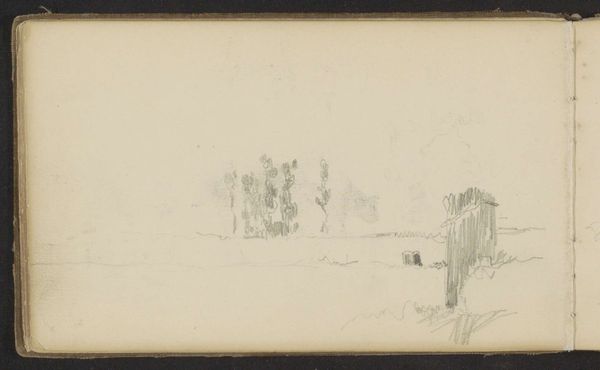
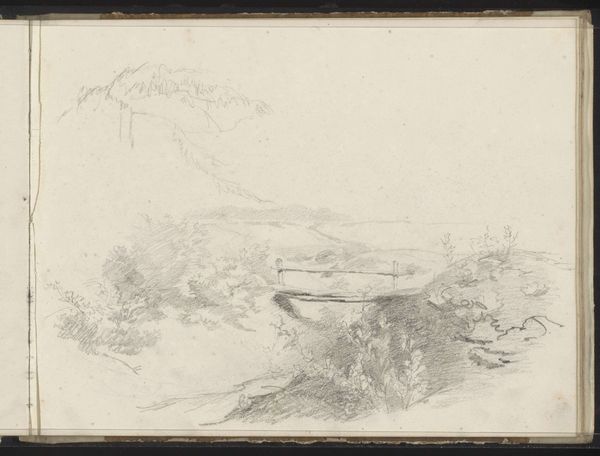
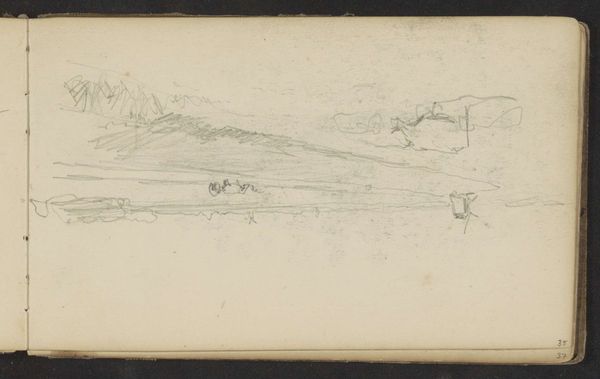
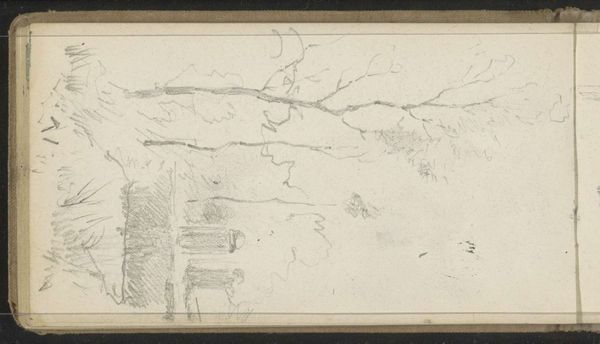
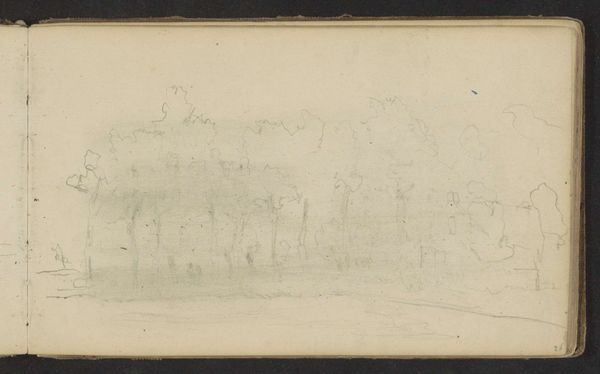
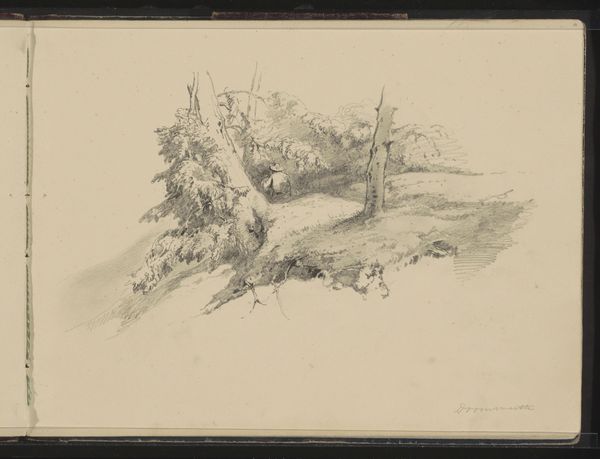
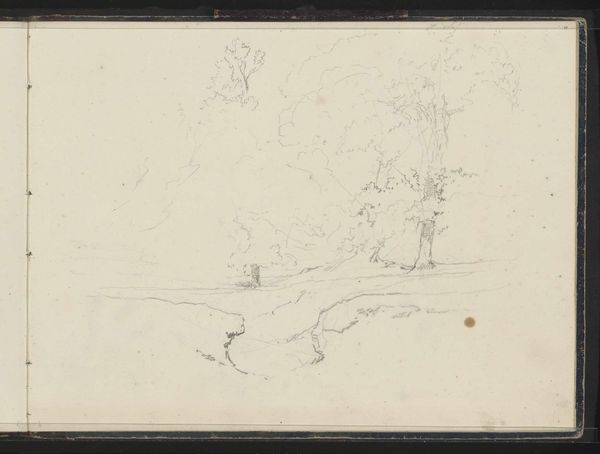
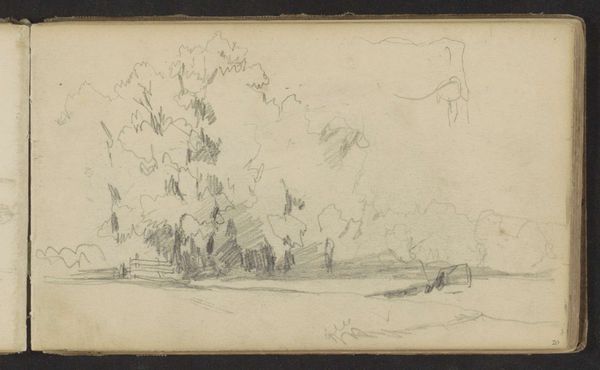
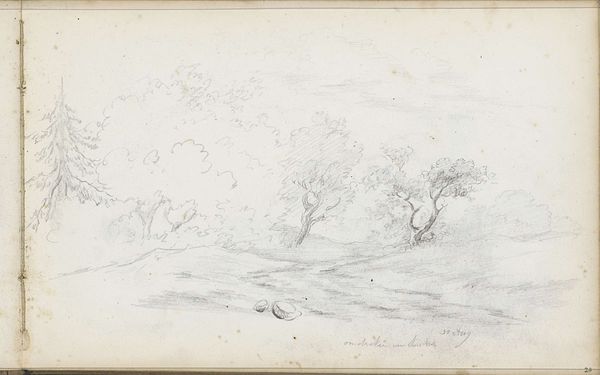
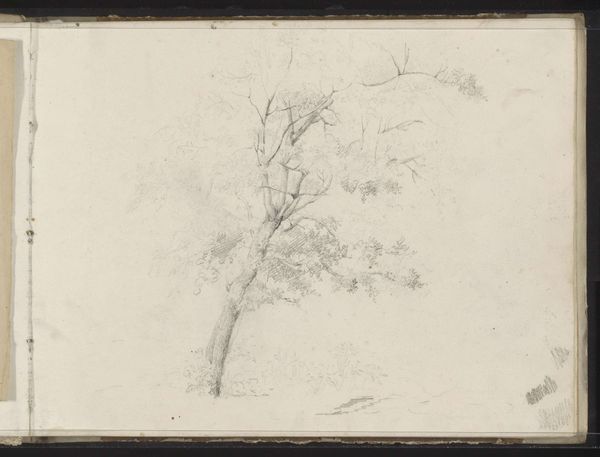
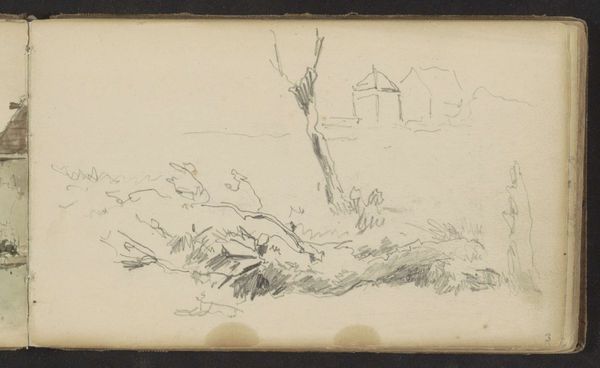
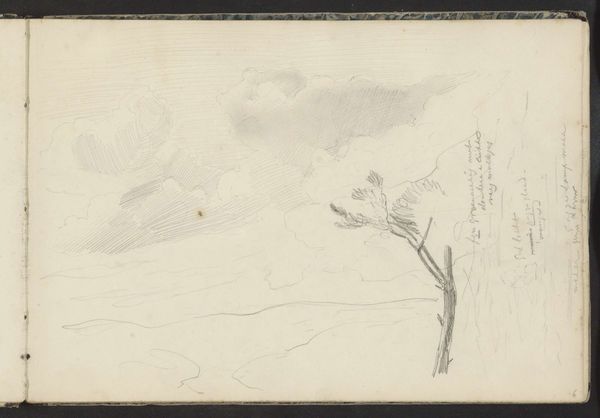
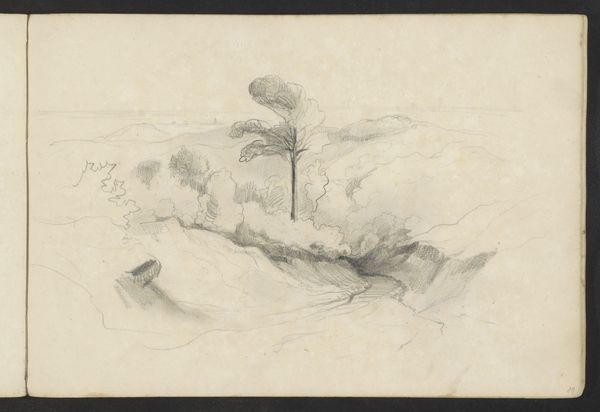
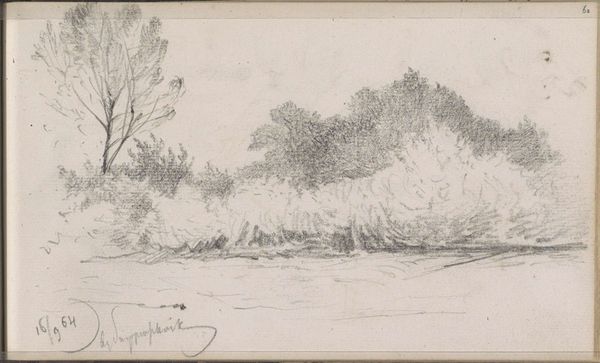
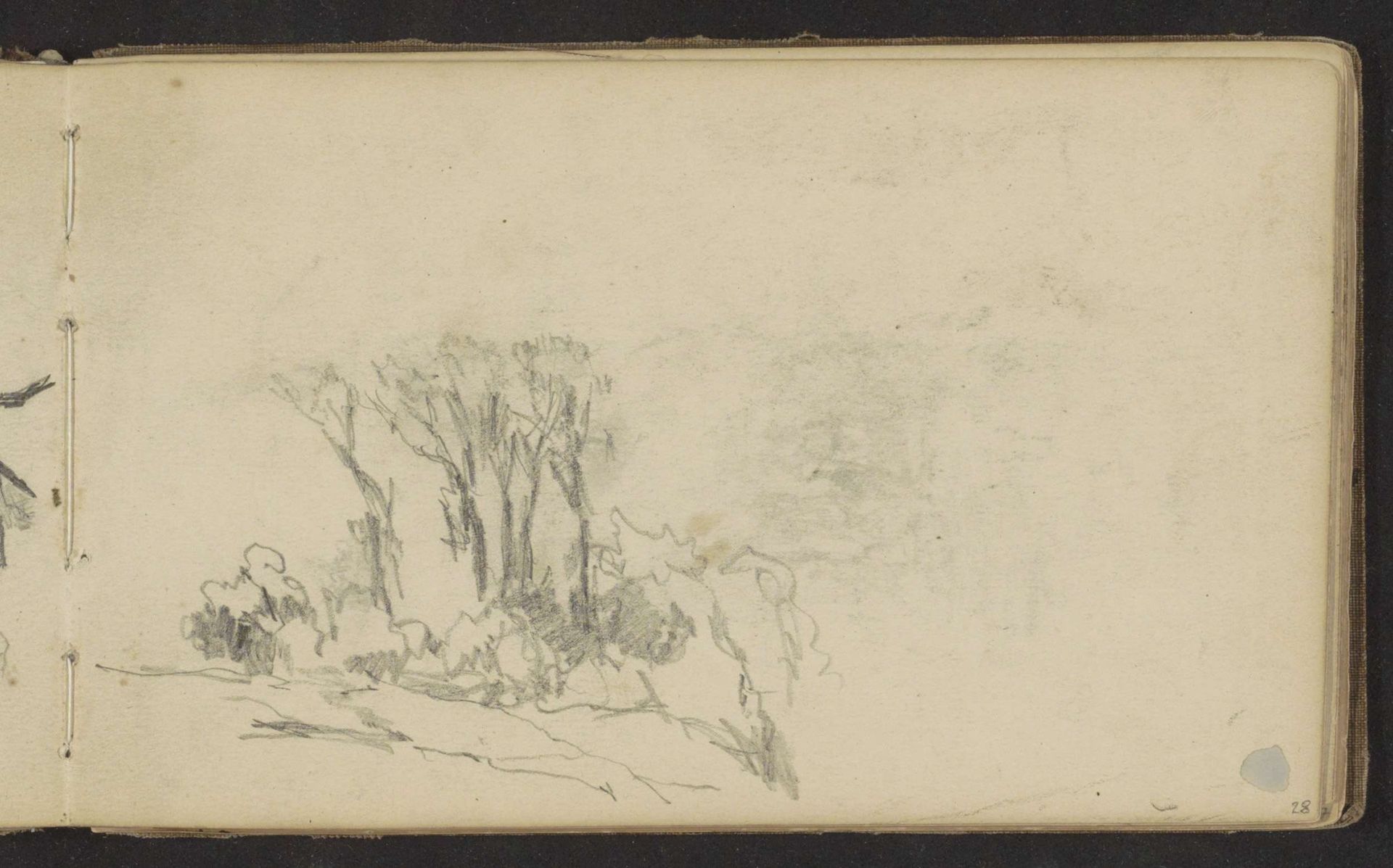
Johan Hendrik Weissenbruch made this landscape drawing using graphite on paper. He was part of the Hague School, a group of Dutch artists who were painting en plein air in the late 19th century. Weissenbruch, like many of his contemporaries, turned to the Dutch landscape for inspiration, capturing its unique atmosphere. What sets him apart is his ability to convey a sense of intimacy and emotion in his works. The sketch’s monochrome palette is deceptively simple, as the atmospheric perspective gives the impression of depth. In that era, landscape paintings often reflected cultural identities and national pride. Weissenbruch’s work connects to a broader artistic movement but still focuses on the emotional and personal connection to the land. His landscapes are quiet observations, capturing the beauty of nature in a rapidly industrializing world.

Artwork details
- Medium
- drawing, pencil
- Location
- Rijksmuseum
- Copyright
- Rijks Museum: Open Domain
Tags
drawing
impressionism
landscape
pencil
realism
Comments
No comments
About this artwork
Johan Hendrik Weissenbruch made this landscape drawing using graphite on paper. He was part of the Hague School, a group of Dutch artists who were painting en plein air in the late 19th century. Weissenbruch, like many of his contemporaries, turned to the Dutch landscape for inspiration, capturing its unique atmosphere. What sets him apart is his ability to convey a sense of intimacy and emotion in his works. The sketch’s monochrome palette is deceptively simple, as the atmospheric perspective gives the impression of depth. In that era, landscape paintings often reflected cultural identities and national pride. Weissenbruch’s work connects to a broader artistic movement but still focuses on the emotional and personal connection to the land. His landscapes are quiet observations, capturing the beauty of nature in a rapidly industrializing world.
Comments
No comments