About this artwork
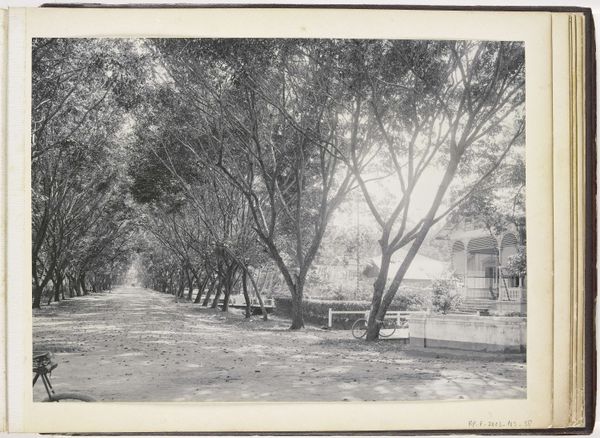
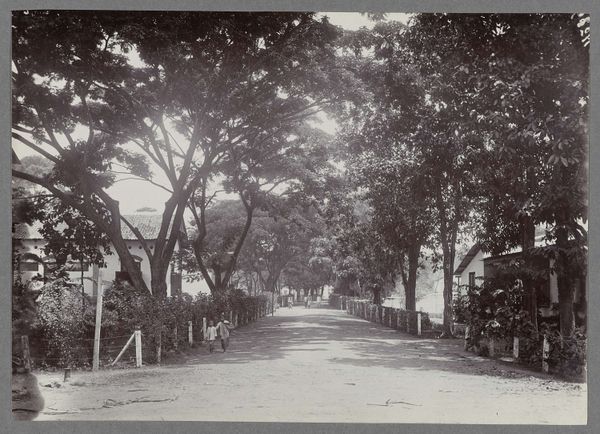
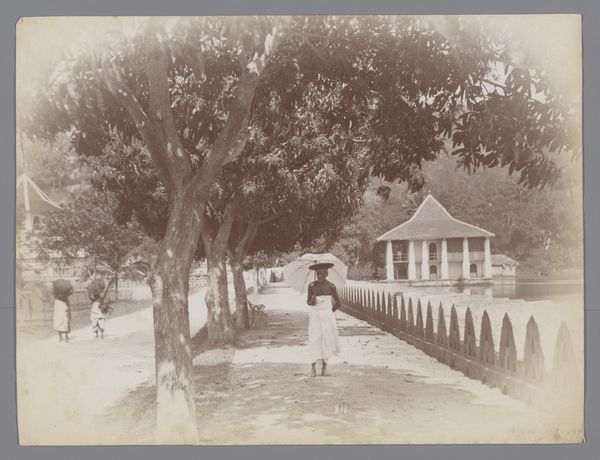
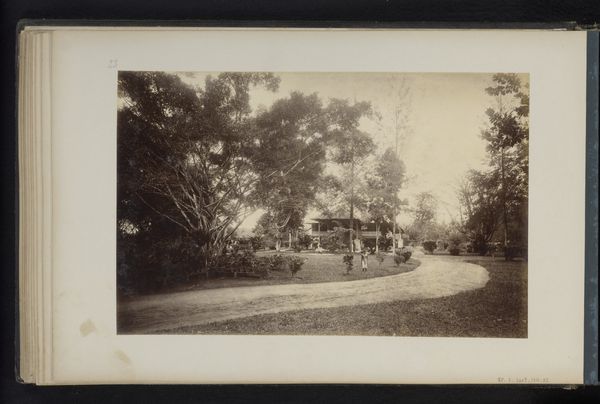
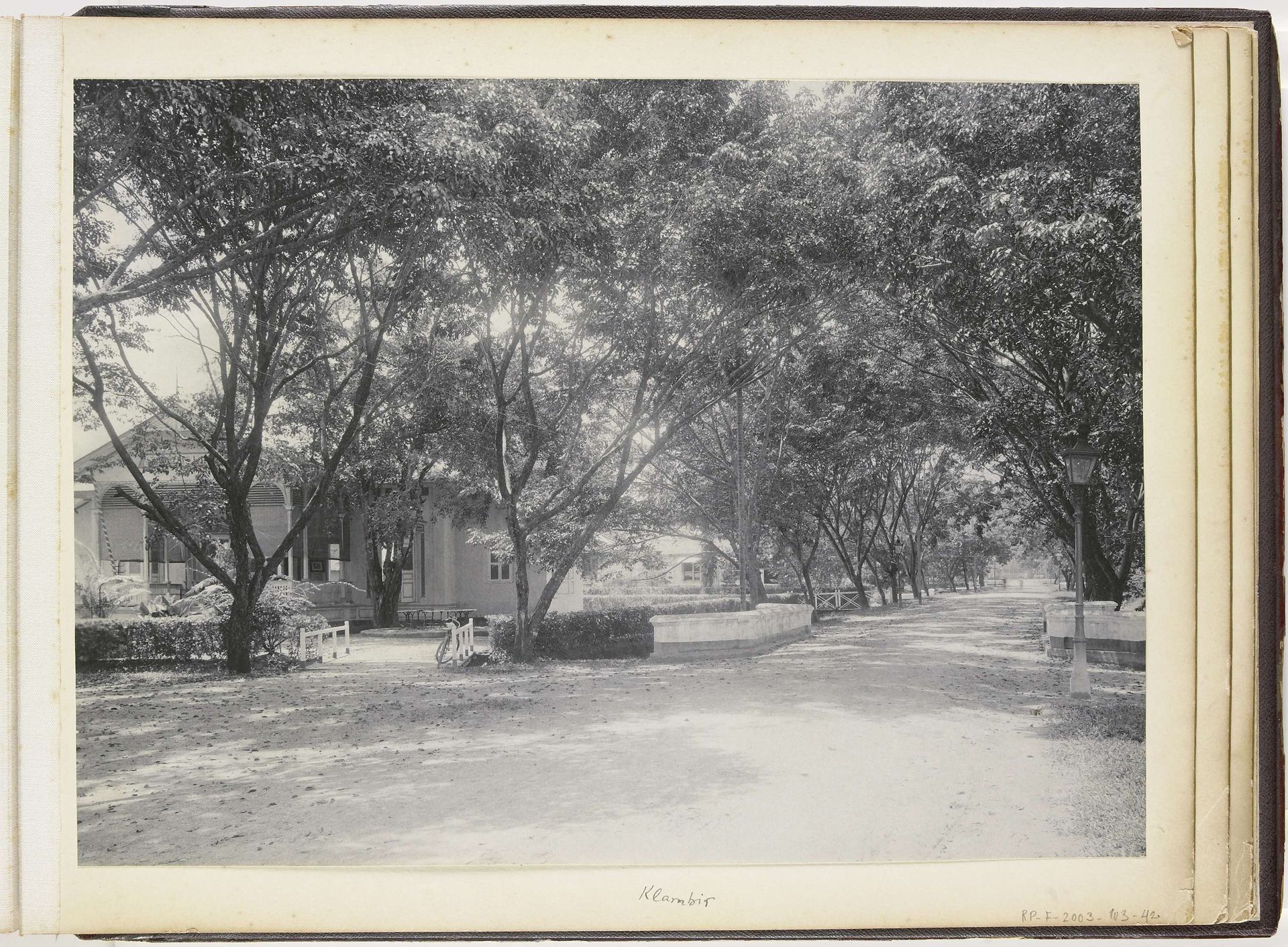
This photograph of Sociëteit Klambir in Langkat, Sumatra, was captured by Heinrich Ernst & Co. Photography, as a medium, stands apart from others; it's indexical, bearing a direct relationship to what it depicts. Yet the photographer still has agency in composing the image. Consider the social context of this image. Sumatra was then part of the Dutch East Indies, and plantations were big business. Ernst & Co. was known for their landscape photography of plantations and factories, a kind of visual branding for colonial enterprises. This photo, in its pristine monochrome, speaks volumes about labor and class. The manicured landscape and grand building signify wealth and power, built on the backs of Indonesian workers. The very act of photography here becomes part of the colonial project, framing the landscape as a site of industry and control. It reminds us that even seemingly straightforward images are shaped by the social and economic forces of their time.
Gezicht op Sociëteit Klambir, Langkat Sumatra c. 1890 - 1900

Heinrich Ernst & Co
@heinrichernstcoLocation
RijksmuseumArtwork details
- Medium
- photography
- Dimensions
- height 222 mm, width 306 mm
- Location
- Rijksmuseum
- Copyright
- Rijks Museum: Open Domain
Tags
landscape
photography
orientalism
Comments
No comments
About this artwork
This photograph of Sociëteit Klambir in Langkat, Sumatra, was captured by Heinrich Ernst & Co. Photography, as a medium, stands apart from others; it's indexical, bearing a direct relationship to what it depicts. Yet the photographer still has agency in composing the image. Consider the social context of this image. Sumatra was then part of the Dutch East Indies, and plantations were big business. Ernst & Co. was known for their landscape photography of plantations and factories, a kind of visual branding for colonial enterprises. This photo, in its pristine monochrome, speaks volumes about labor and class. The manicured landscape and grand building signify wealth and power, built on the backs of Indonesian workers. The very act of photography here becomes part of the colonial project, framing the landscape as a site of industry and control. It reminds us that even seemingly straightforward images are shaped by the social and economic forces of their time.
Comments
No comments