About this artwork
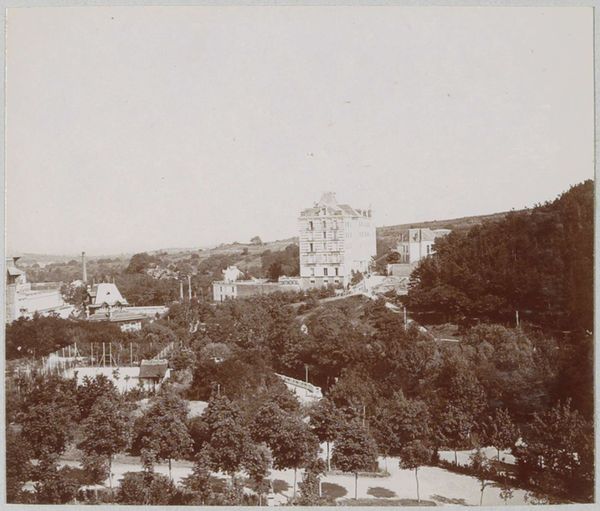
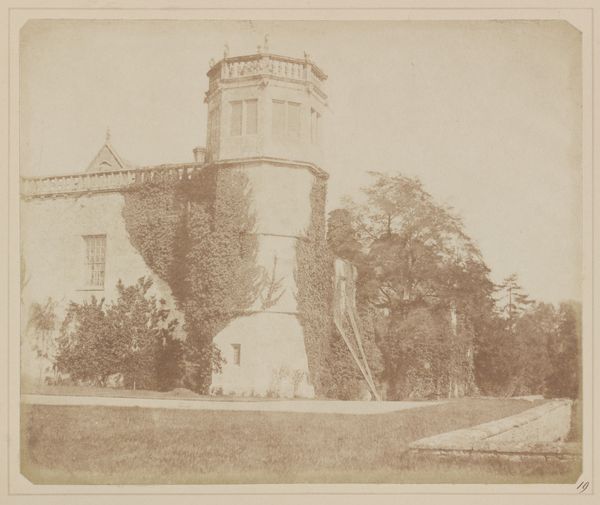
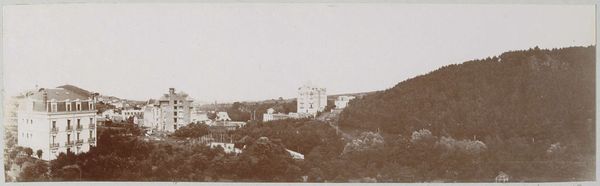
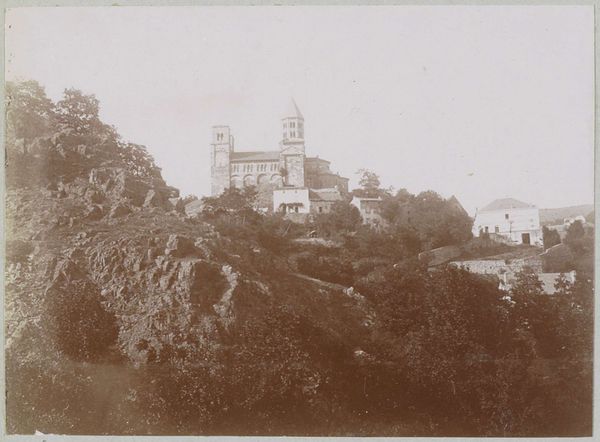
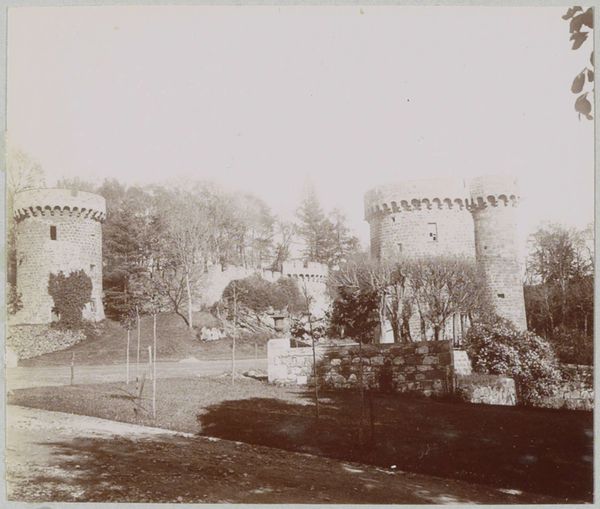
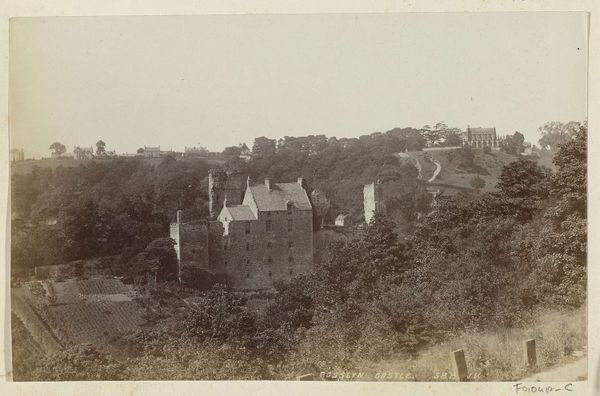
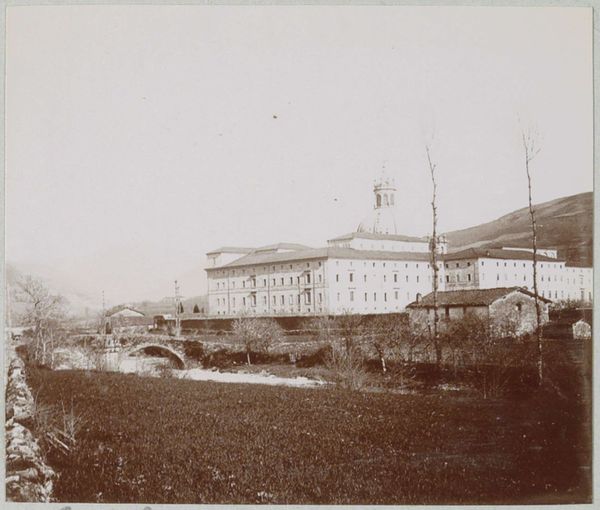
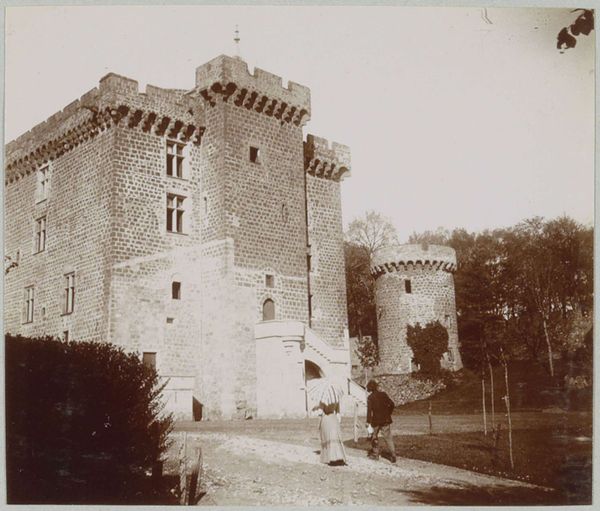
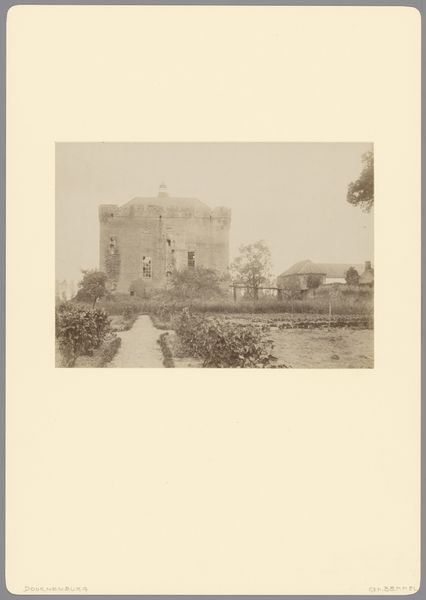
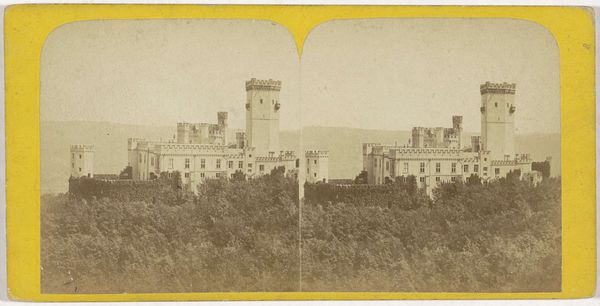
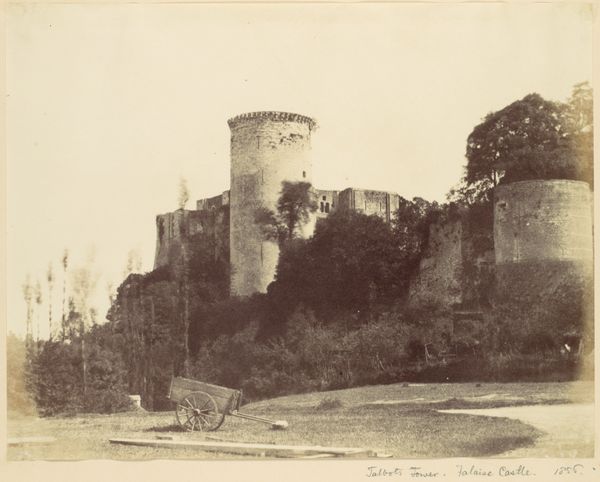
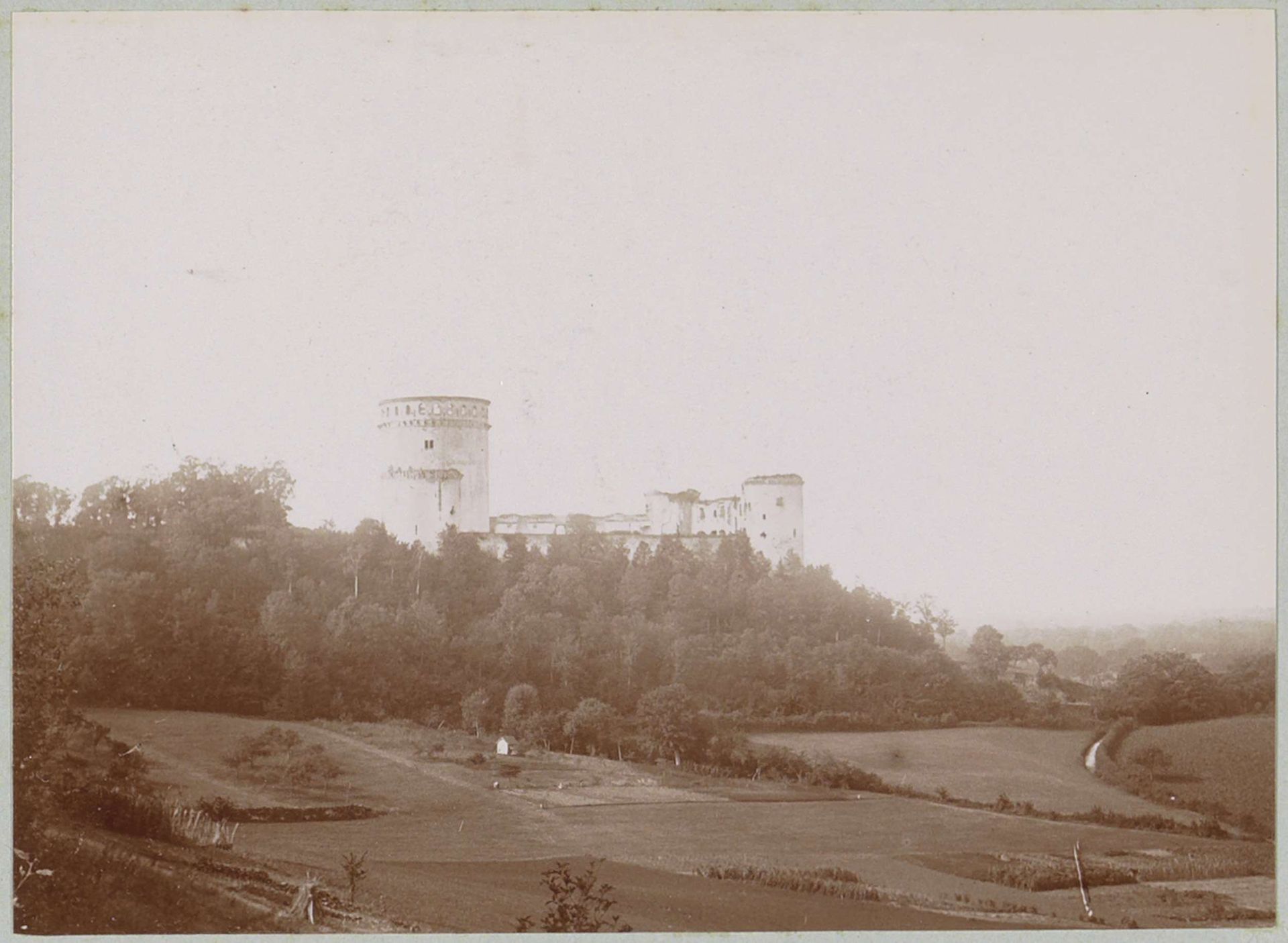
This albumen print captures Delizy’s view of the Château de Coucy. The image presents the Château as a relic of a bygone era, perched high above the landscape. The photograph, probably taken in France around the late 19th century, reflects the period's fascination with historical sites and ruins. During this time, there was a growing interest in preserving and documenting historical landmarks, as photography became an important tool for cultural and historical preservation. The choice of the Château de Coucy, a medieval castle with a rich history, highlights a desire to connect with the past. But the ruin of the Château also speaks to the increasing social upheaval that was overtaking the continent as the old monarchies fell. By studying Delizy's work, along with the visual culture of the era, we gain insight into the social values placed on history. This requires us to consider the print's role in shaping collective memory and national identity.

Artwork details
- Medium
- print, photography
- Dimensions
- height 79 mm, width 109 mm
- Location
- Rijksmuseum
- Copyright
- Rijks Museum: Open Domain
Tags
Comments
Share your thoughts
About this artwork
This albumen print captures Delizy’s view of the Château de Coucy. The image presents the Château as a relic of a bygone era, perched high above the landscape. The photograph, probably taken in France around the late 19th century, reflects the period's fascination with historical sites and ruins. During this time, there was a growing interest in preserving and documenting historical landmarks, as photography became an important tool for cultural and historical preservation. The choice of the Château de Coucy, a medieval castle with a rich history, highlights a desire to connect with the past. But the ruin of the Château also speaks to the increasing social upheaval that was overtaking the continent as the old monarchies fell. By studying Delizy's work, along with the visual culture of the era, we gain insight into the social values placed on history. This requires us to consider the print's role in shaping collective memory and national identity.
Comments
Share your thoughts