About this artwork
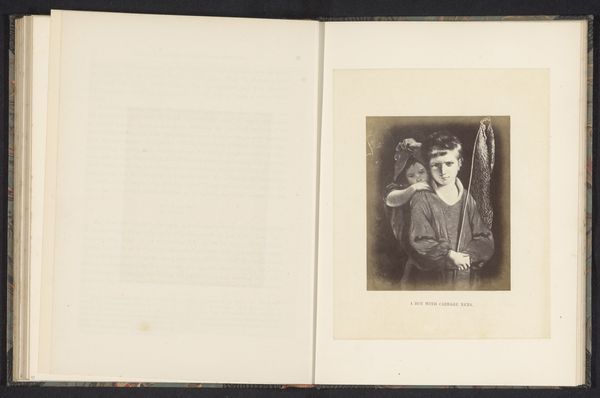
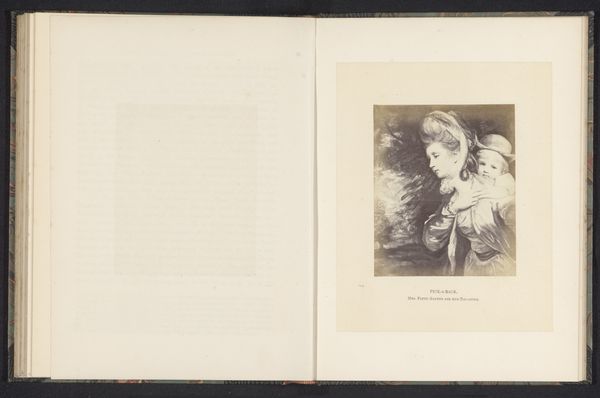
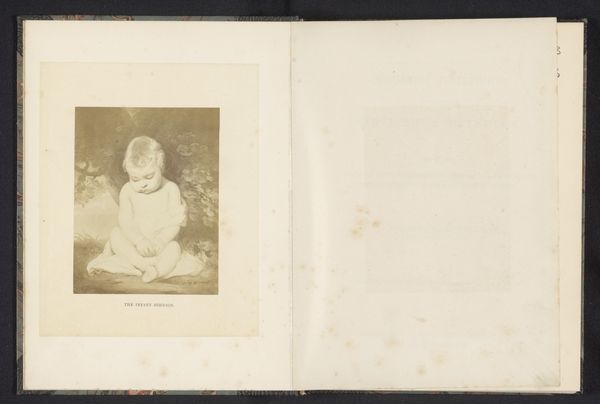
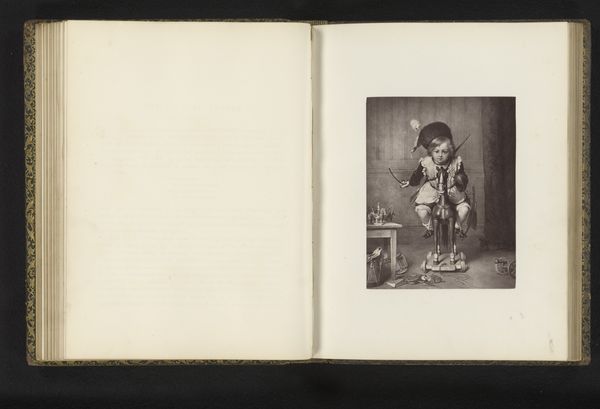
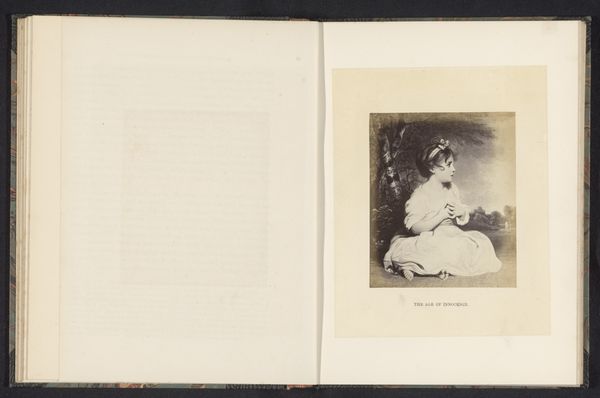
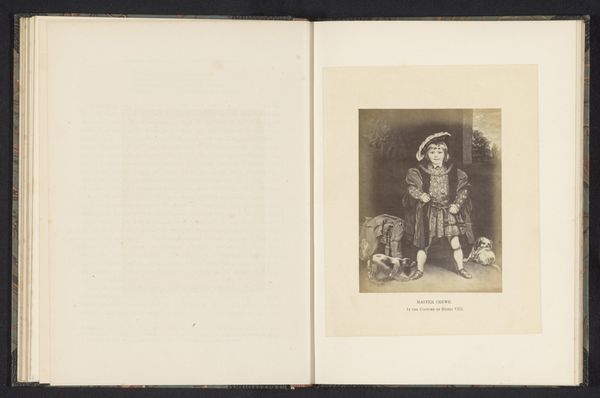
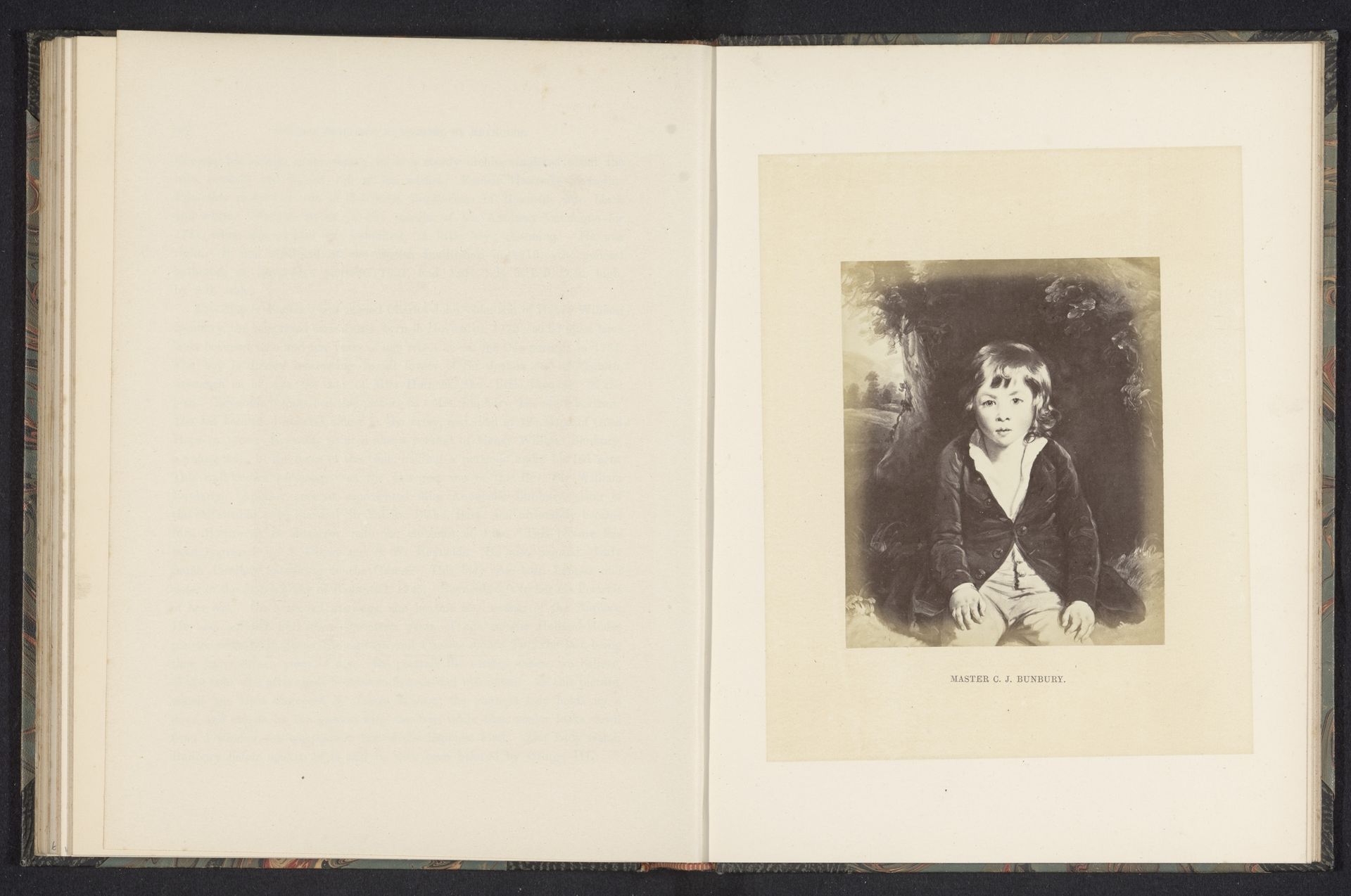
This photograph by A. & E. Seeley reproduces a portrait of Charles John Bunbury as a child by Joshua Reynolds. Reynolds was the first president of the Royal Academy, founded in 1768. This institution shaped the production and reception of art in Britain for centuries. His portraits often depicted wealthy subjects, reinforcing social hierarchies through visual representation. The original painting would have served to solidify the family's status and legacy. The circulation of such images through photography raises questions about the democratisation of art versus the reproduction of social elites. Is it conservative in its replication of an elite image, or does it challenge the art establishment? As historians, to understand this image better, we could examine family records, Royal Academy archives, and photographic collections. The meaning of this work is contingent on the social and institutional contexts in which it was made and circulated.
Fotoreproductie van een portret van Charles John Bunbury als kind door Joshua Reynolds
before 1867

Artwork details
- Dimensions
- height 121 mm, width 100 mm
- Copyright
- Rijks Museum: Open Domain
Comments
Be the first to share your thoughts about this work.
About this artwork
This photograph by A. & E. Seeley reproduces a portrait of Charles John Bunbury as a child by Joshua Reynolds. Reynolds was the first president of the Royal Academy, founded in 1768. This institution shaped the production and reception of art in Britain for centuries. His portraits often depicted wealthy subjects, reinforcing social hierarchies through visual representation. The original painting would have served to solidify the family's status and legacy. The circulation of such images through photography raises questions about the democratisation of art versus the reproduction of social elites. Is it conservative in its replication of an elite image, or does it challenge the art establishment? As historians, to understand this image better, we could examine family records, Royal Academy archives, and photographic collections. The meaning of this work is contingent on the social and institutional contexts in which it was made and circulated.
Comments
Be the first to share your thoughts about this work.