About this artwork
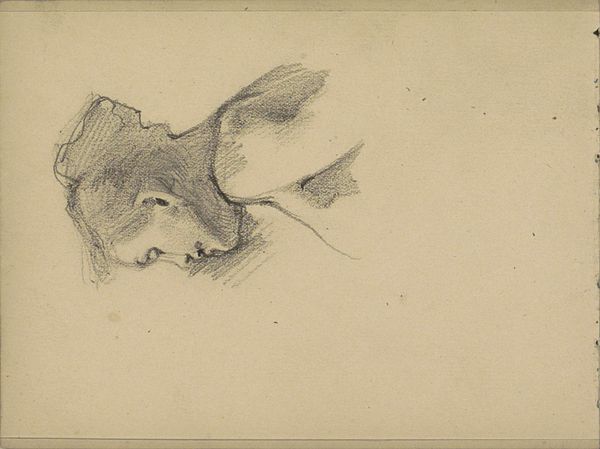
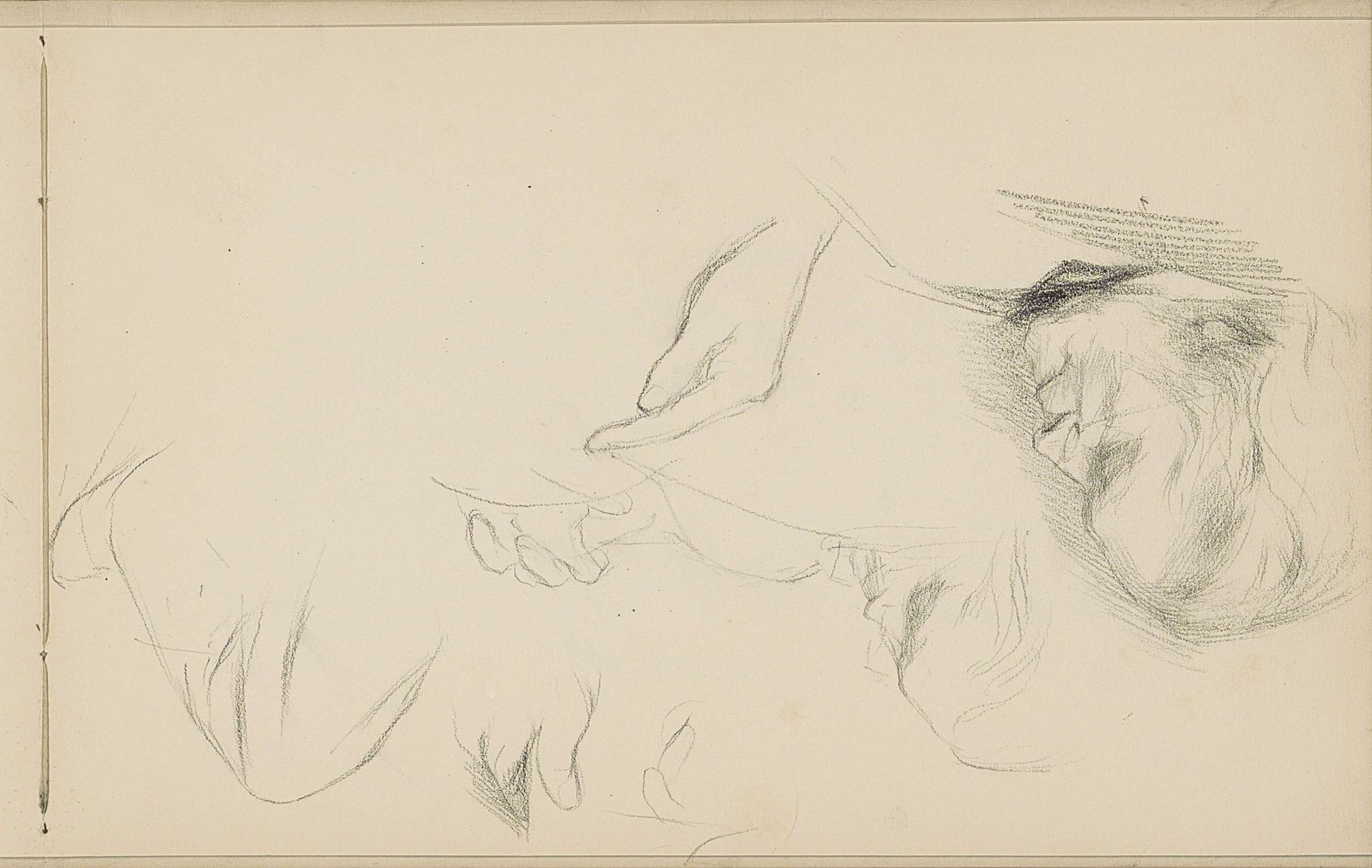
This is an undated drawing, “Head of an Elderly Woman with Glasses,” by Bramine Hubrecht, held in the Rijksmuseum. Hubrecht was a Dutch artist born in the mid-19th century. Her sketches offer a glimpse into the lives of women during a time of significant social change. Hubrecht focuses on an elderly woman, capturing her face and hands with delicate strokes of graphite. The glasses suggest a life of reading and learning, challenging conventional representations of women during this time. This drawing resonates with the subtle strength and resilience found in the everyday lives of women. Hubrecht’s own position as a female artist in a male-dominated art world adds another layer to this piece. The sensitive rendering of the woman’s features invites us to reflect on the quiet dignity of aging and the importance of acknowledging the narratives of those often overlooked.
Kop van een oudere vrouw met een bril
1865 - 1913

Bramine Hubrecht
1855 - 1913Location
RijksmuseumArtwork details
- Medium
- drawing, pencil
- Location
- Rijksmuseum
- Copyright
- Rijks Museum: Open Domain
Tags
portrait
drawing
pencil sketch
pencil drawing
pencil
academic-art
realism
Comments
Be the first to share your thoughts about this work.
About this artwork
This is an undated drawing, “Head of an Elderly Woman with Glasses,” by Bramine Hubrecht, held in the Rijksmuseum. Hubrecht was a Dutch artist born in the mid-19th century. Her sketches offer a glimpse into the lives of women during a time of significant social change. Hubrecht focuses on an elderly woman, capturing her face and hands with delicate strokes of graphite. The glasses suggest a life of reading and learning, challenging conventional representations of women during this time. This drawing resonates with the subtle strength and resilience found in the everyday lives of women. Hubrecht’s own position as a female artist in a male-dominated art world adds another layer to this piece. The sensitive rendering of the woman’s features invites us to reflect on the quiet dignity of aging and the importance of acknowledging the narratives of those often overlooked.
Comments
Be the first to share your thoughts about this work.