About this artwork
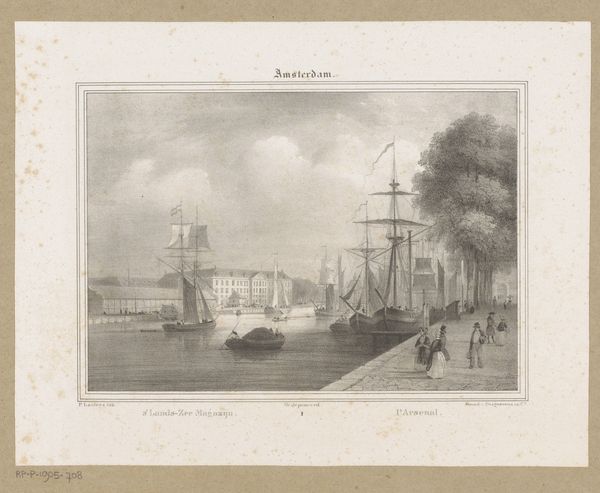
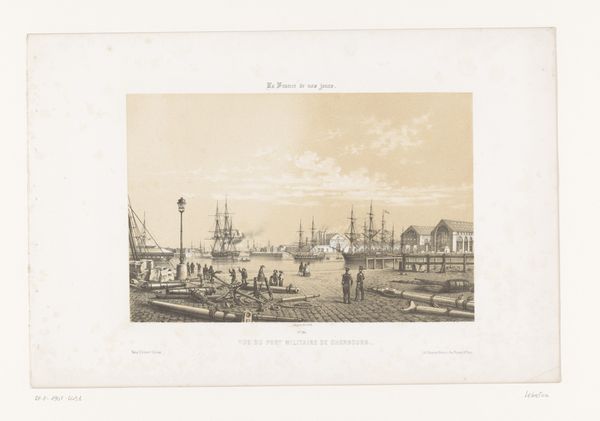
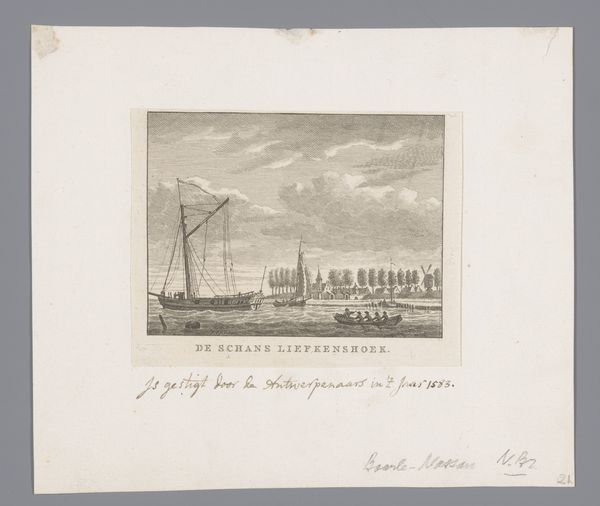
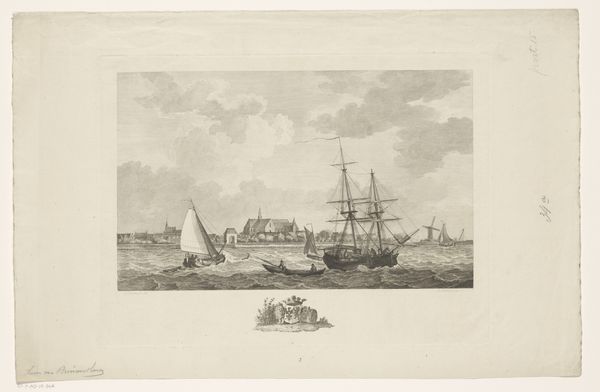
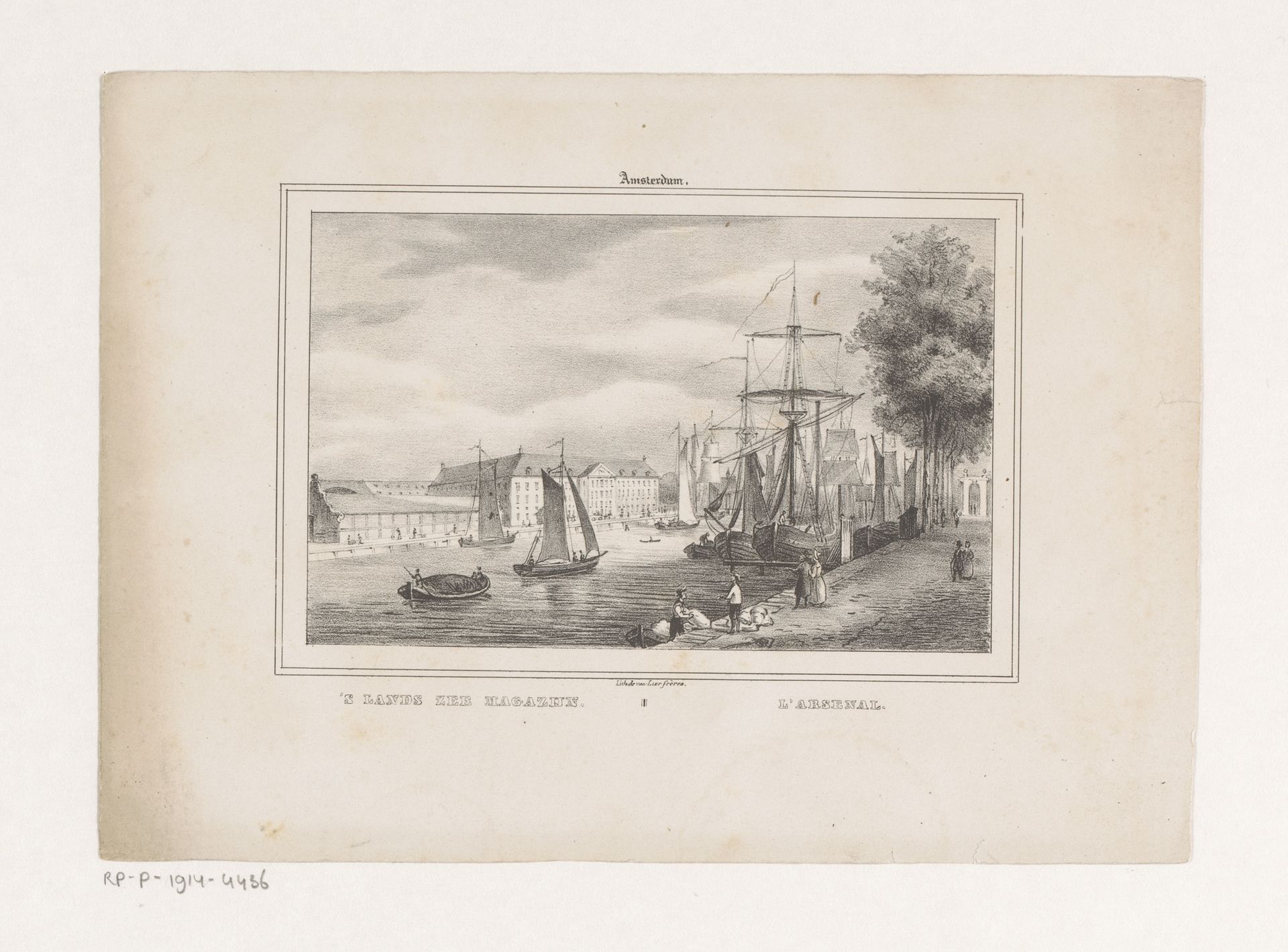
This print, made by the Van Lier Brothers, pictures the 's Lands Zeemagazijn or naval arsenal in Amsterdam. What’s striking is how this image reflects the close relationship between maritime power and the Dutch Republic's economic prosperity. The Zeemagazijn, prominently featured, was not just a storage facility. It was a symbol of Dutch naval strength, which in turn supported their vast trading empire. Visual elements like the well-ordered architecture and the bustling activity on the waterfront emphasize the importance of naval infrastructure to Dutch society. This image, likely created for public consumption, subtly reinforced the narrative of Dutch power and wealth, a narrative that served the interests of the ruling elite. Understanding this image requires us to consider the broader historical context: the Dutch Golden Age, the role of the Dutch East India Company, and the maritime conflicts that defined the era. Delving into archival sources and historical accounts can reveal how such images were used to shape public opinion.
Gezicht op 's Lands Zeemagazijn c. 1833 - 1850

Gebroeders van Lier
@gebroedersvanlierLocation
RijksmuseumArtwork details
- Medium
- drawing, print, ink, engraving
- Dimensions
- height 160 mm, width 220 mm
- Location
- Rijksmuseum
- Copyright
- Rijks Museum: Open Domain
Tags
drawing
16_19th-century
landscape
ink
cityscape
engraving
Comments
No comments
About this artwork
This print, made by the Van Lier Brothers, pictures the 's Lands Zeemagazijn or naval arsenal in Amsterdam. What’s striking is how this image reflects the close relationship between maritime power and the Dutch Republic's economic prosperity. The Zeemagazijn, prominently featured, was not just a storage facility. It was a symbol of Dutch naval strength, which in turn supported their vast trading empire. Visual elements like the well-ordered architecture and the bustling activity on the waterfront emphasize the importance of naval infrastructure to Dutch society. This image, likely created for public consumption, subtly reinforced the narrative of Dutch power and wealth, a narrative that served the interests of the ruling elite. Understanding this image requires us to consider the broader historical context: the Dutch Golden Age, the role of the Dutch East India Company, and the maritime conflicts that defined the era. Delving into archival sources and historical accounts can reveal how such images were used to shape public opinion.
Comments
No comments