![[Acropolis, Athens, Greece] by James Robertson](https://d2w8kbdekdi1gv.cloudfront.net/eyJidWNrZXQiOiAiYXJ0ZXJhLWltYWdlcy1idWNrZXQiLCAia2V5IjogImFydHdvcmtzL2ZmMDg1M2FhLTIxZDItNGRmNi1hZDI2LTllMDAwMDJmOTlkZS9mZjA4NTNhYS0yMWQyLTRkZjYtYWQyNi05ZTAwMDAyZjk5ZGVfZnVsbC5qcGciLCAiZWRpdHMiOiB7InJlc2l6ZSI6IHsid2lkdGgiOiAxOTIwLCAiaGVpZ2h0IjogMTkyMCwgImZpdCI6ICJpbnNpZGUifX19)
About this artwork
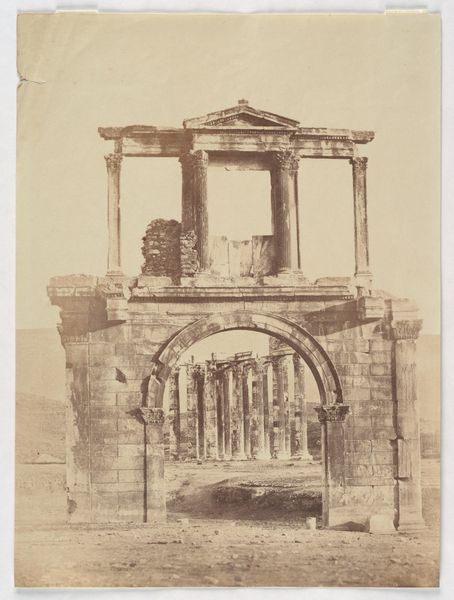
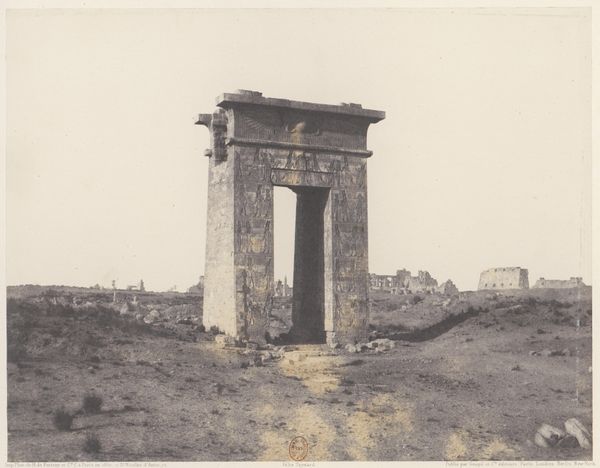
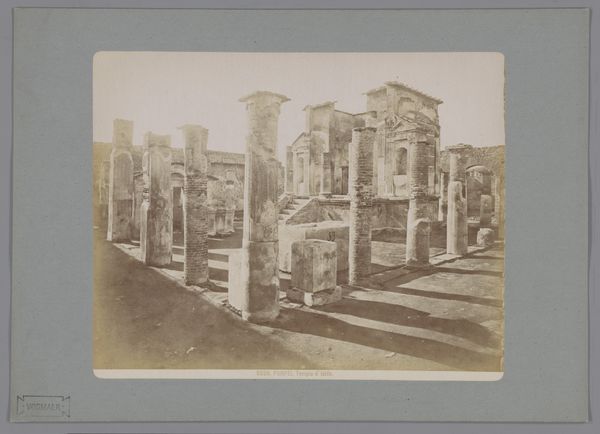
James Robertson captured this photograph of the Acropolis in Athens, Greece. The monument's architectural form is punctuated by a series of stylized Corinthian columns that echo the eternal quest for order and beauty. The fluted shafts ascend to intricately carved capitals, a motif that symbolizes the ascent of the human spirit toward enlightenment. These columns are reminiscent of those found in ancient Egyptian temples. They transcend time and space as cultural memory, recurring as emblems of power and knowledge. Over time, the column transforms in various cultural contexts. It may become associated with different deities or philosophical ideals while still retaining its fundamental essence as a symbol of stability and strength. The ruined monument engages us on a deep, subconscious level. It evokes a sense of awe and reverence, yet also stirs feelings of melancholy and loss as we contemplate the inevitable decay of even the grandest human creations.
[Acropolis, Athens, Greece]
1850 - 1855


Artwork details
- Medium
- photography, albumen-print, architecture
- Dimensions
- Approx. 11 x 15
- Location
- Metropolitan Museum of Art, New York, NY
- Copyright
- Public Domain
Tags
portrait
greek-and-roman-art
landscape
photography
ancient-mediterranean
cityscape
albumen-print
architecture
Comments
Be the first to share your thoughts about this work.
About this artwork
James Robertson captured this photograph of the Acropolis in Athens, Greece. The monument's architectural form is punctuated by a series of stylized Corinthian columns that echo the eternal quest for order and beauty. The fluted shafts ascend to intricately carved capitals, a motif that symbolizes the ascent of the human spirit toward enlightenment. These columns are reminiscent of those found in ancient Egyptian temples. They transcend time and space as cultural memory, recurring as emblems of power and knowledge. Over time, the column transforms in various cultural contexts. It may become associated with different deities or philosophical ideals while still retaining its fundamental essence as a symbol of stability and strength. The ruined monument engages us on a deep, subconscious level. It evokes a sense of awe and reverence, yet also stirs feelings of melancholy and loss as we contemplate the inevitable decay of even the grandest human creations.
Comments
Be the first to share your thoughts about this work.