About this artwork
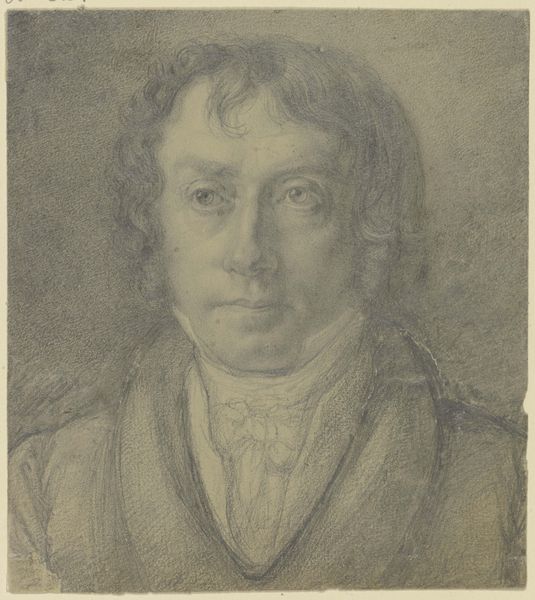
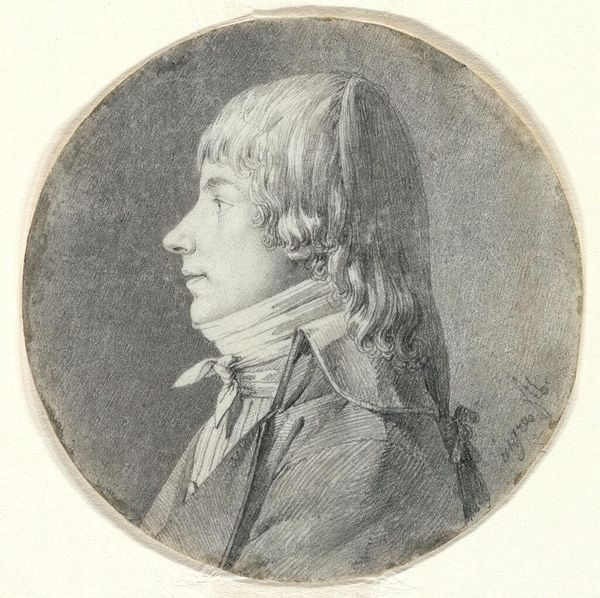
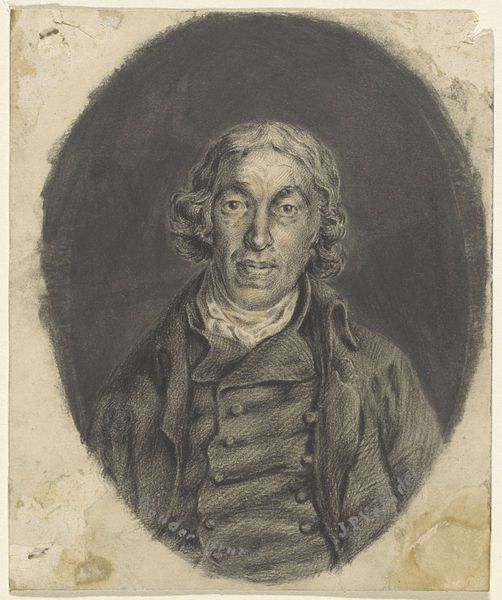
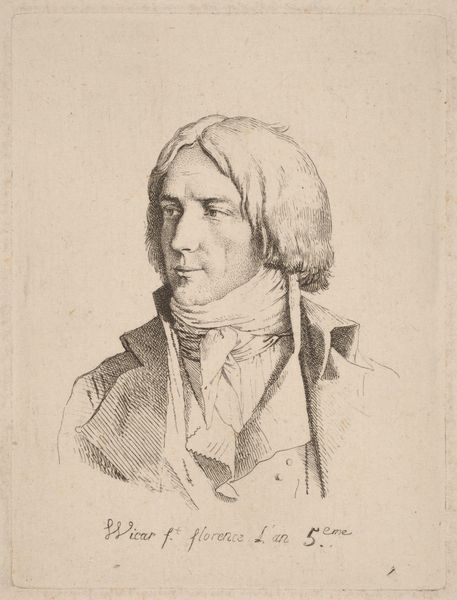
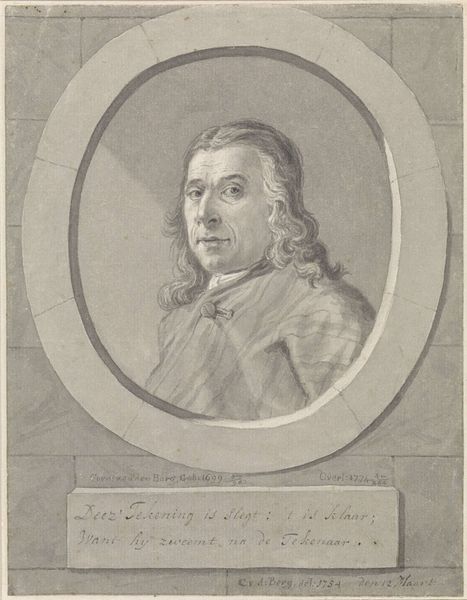
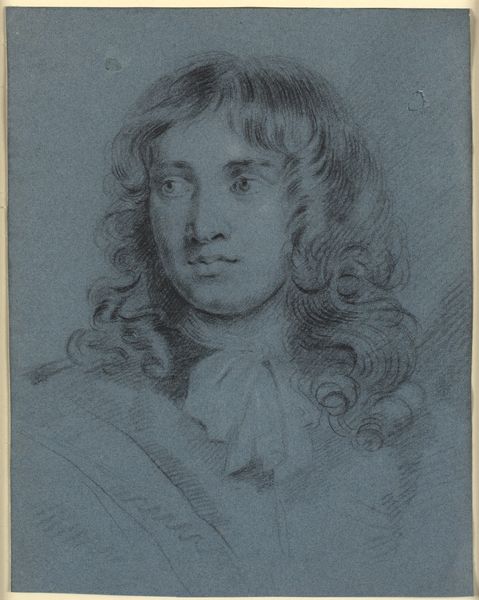
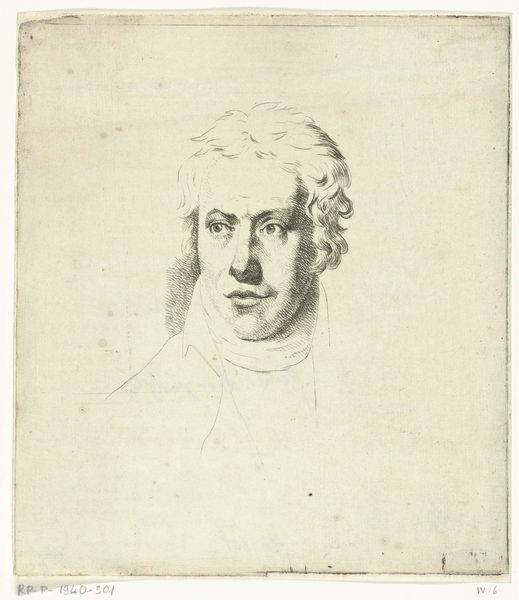
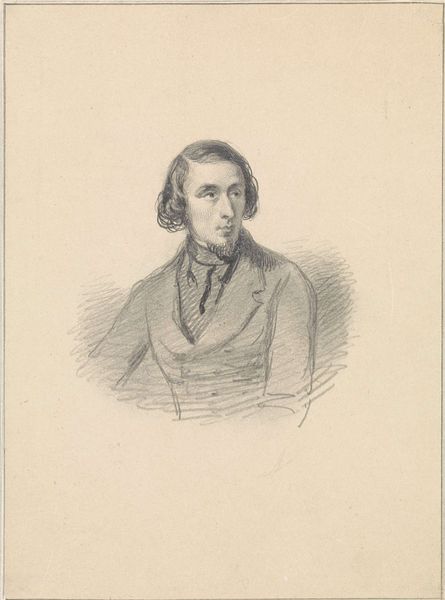
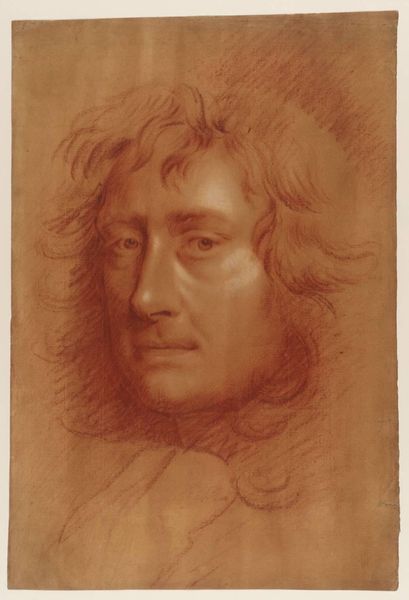
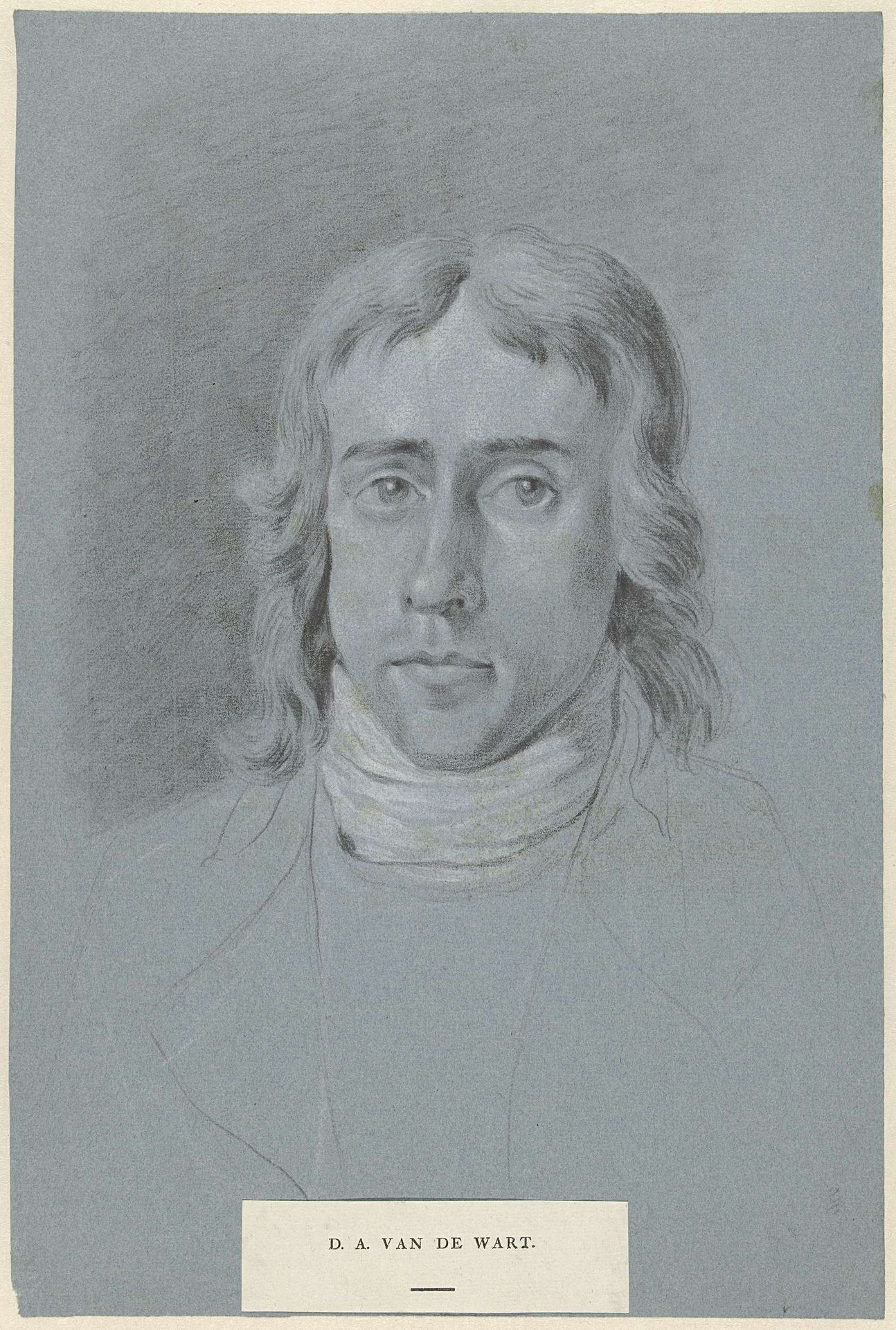
Derk Anthony van de Wart made this self-portrait as a drawing. Note the white cravat, a neckcloth tied in various knots or bows. By the late 18th century, it was a symbol of status and sophistication. We see it echoing in portraits of the time, yet its origins trace back to the simple practicalities of soldiers protecting their necks. This sartorial evolution reveals a potent psychological dance. Once a mere functional cloth, it ascends to become a marker of identity, subtly communicating one’s place in society. The cravat becomes a silent language of belonging and aspiration. Consider also, that even today, the subconscious allure of status remains. The cravat, reborn in contemporary fashion, continues to speak to our deep-seated desires for recognition and belonging, revealing the cyclical nature of symbols.

Artwork details
- Medium
- drawing, pencil
- Dimensions
- height 413 mm, width 278 mm
- Copyright
- Rijks Museum: Open Domain
Tags
portrait
drawing
self-portrait
charcoal drawing
pencil drawing
pencil
portrait drawing
Comments
Be the first to share your thoughts about this work.
About this artwork
Derk Anthony van de Wart made this self-portrait as a drawing. Note the white cravat, a neckcloth tied in various knots or bows. By the late 18th century, it was a symbol of status and sophistication. We see it echoing in portraits of the time, yet its origins trace back to the simple practicalities of soldiers protecting their necks. This sartorial evolution reveals a potent psychological dance. Once a mere functional cloth, it ascends to become a marker of identity, subtly communicating one’s place in society. The cravat becomes a silent language of belonging and aspiration. Consider also, that even today, the subconscious allure of status remains. The cravat, reborn in contemporary fashion, continues to speak to our deep-seated desires for recognition and belonging, revealing the cyclical nature of symbols.
Comments
Be the first to share your thoughts about this work.