About this artwork
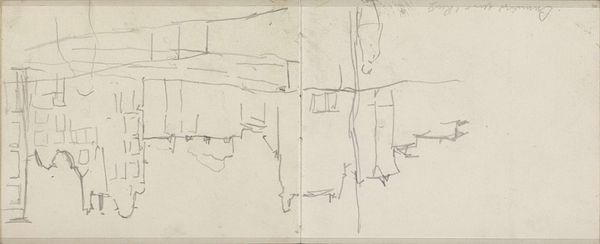
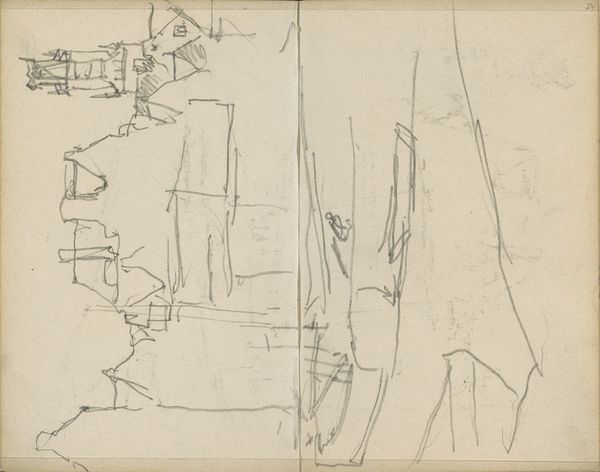
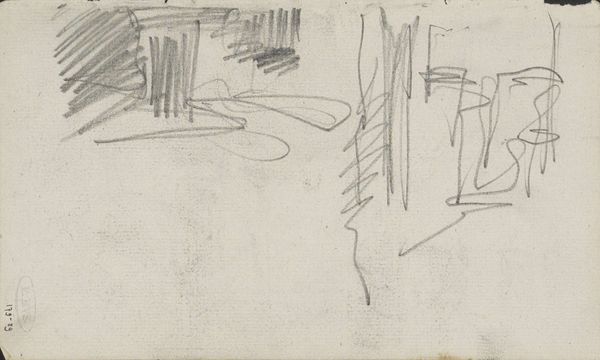
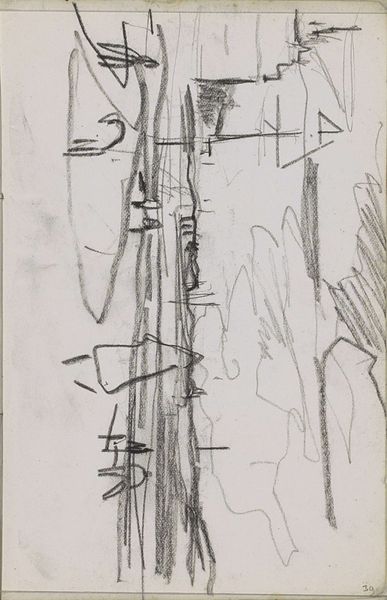
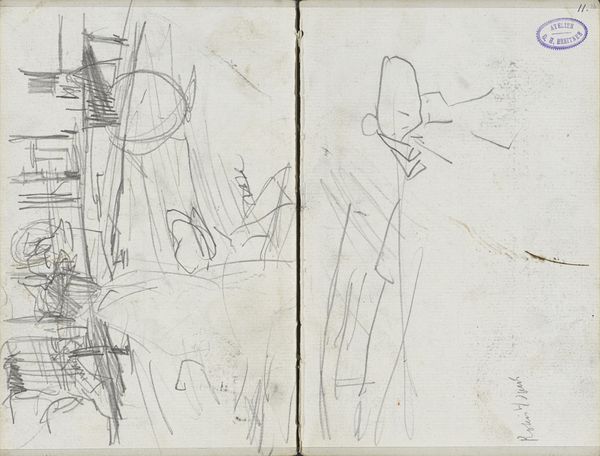
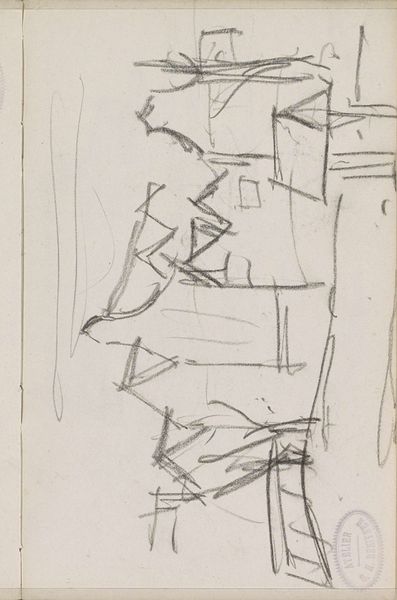
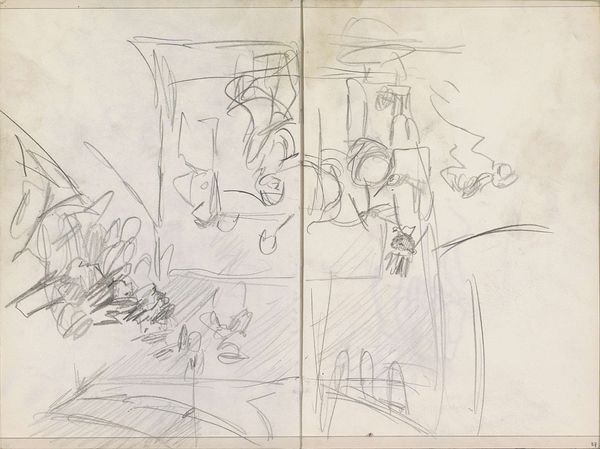
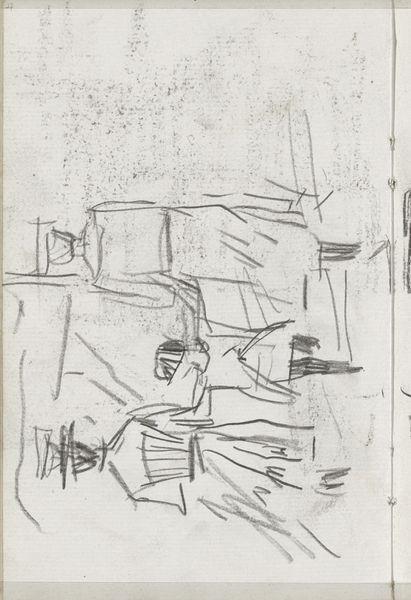
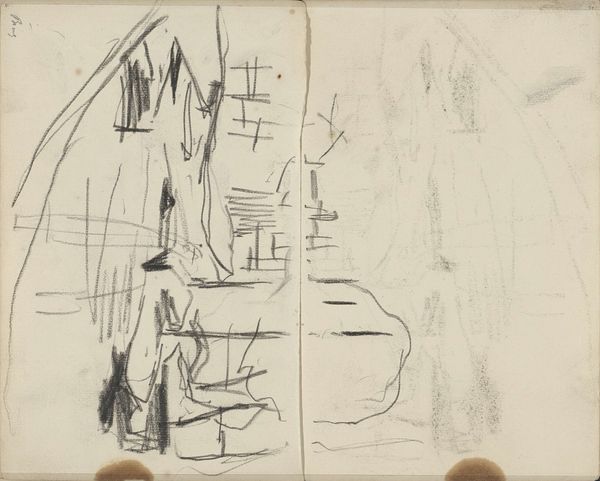
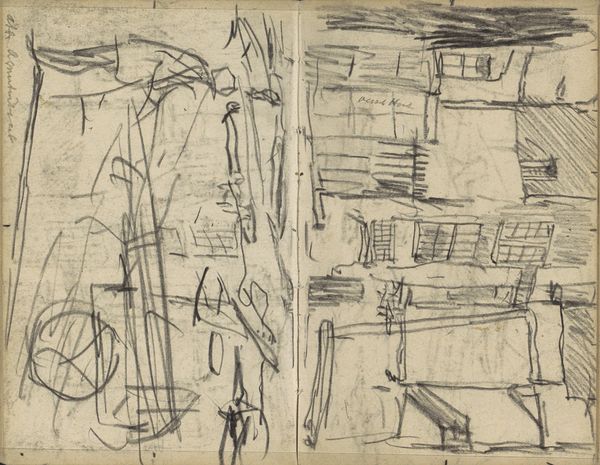
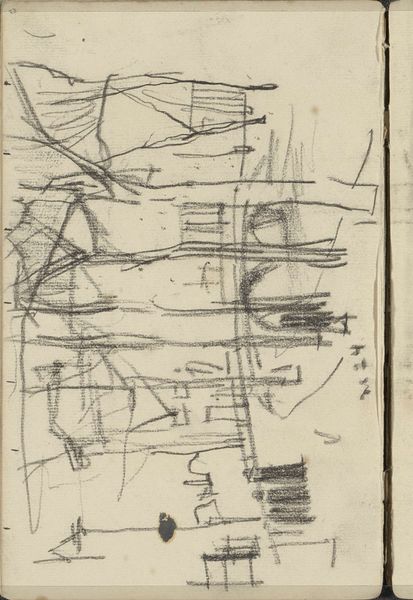
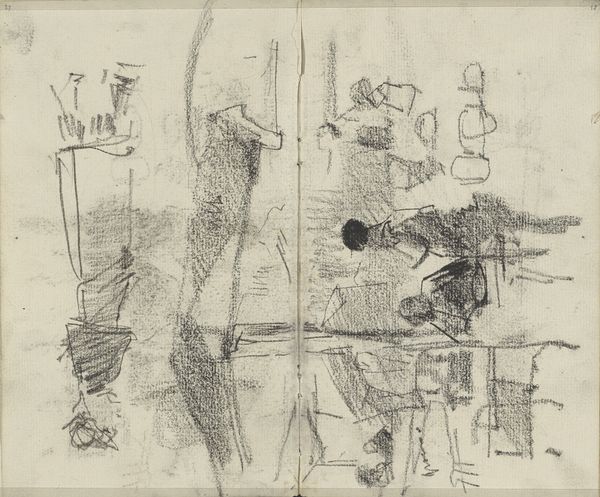
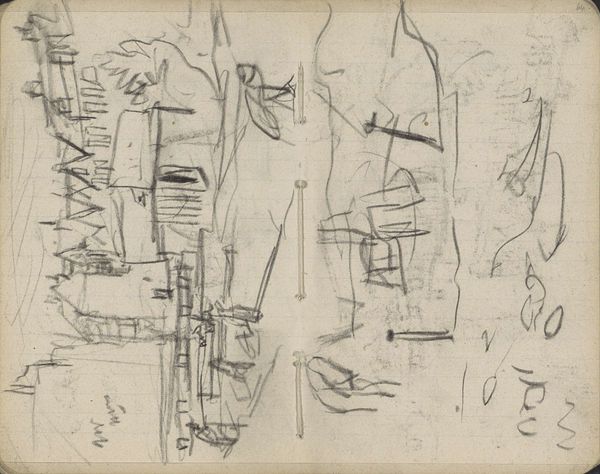
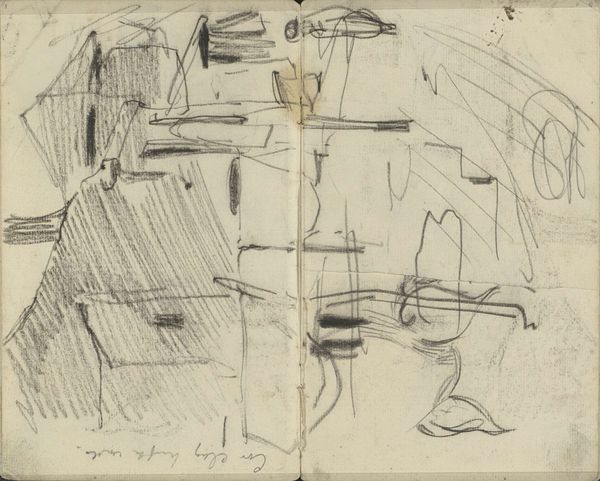
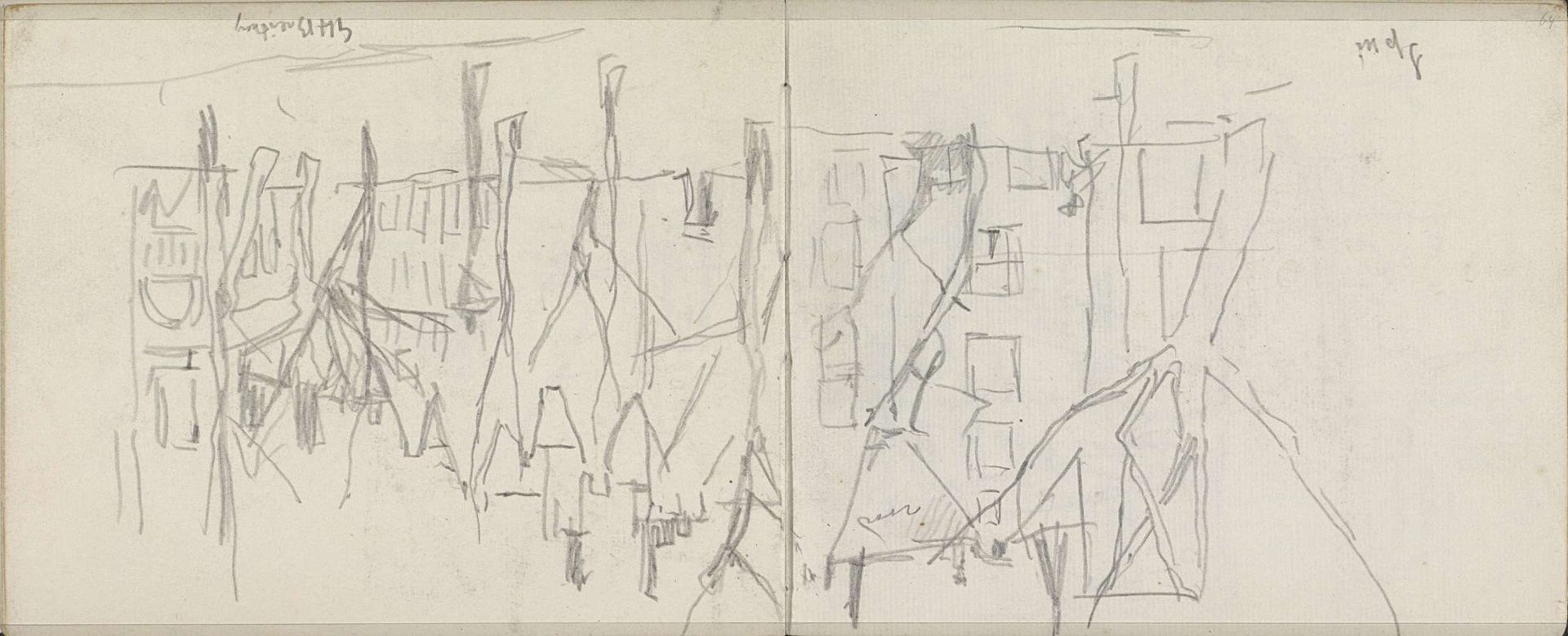
This is George Hendrik Breitner’s pencil drawing, "View of the North Side of the Spui in Amsterdam." Notice how the sketch offers a stark, almost skeletal view of the urban landscape. The lines are raw and immediate, capturing the essence of the buildings with minimal detail. Breitner focuses on structure; the bare bones of the architecture, with a composition that’s less about picturesque beauty and more about the underlying framework. There is a certain destabilization of conventional urban representation. The sketch is not a celebration of the city's grandeur. Instead, it presents a rudimentary, almost unfinished vision. It is in the rawness and immediacy of the lines that we find its power and how Breitner challenges the traditional aesthetic values. It prompts a re-evaluation of how we perceive and represent urban spaces.
Gezicht op de noordzijde van het Spui te Amsterdam c. 1886 - 1891

George Hendrik Breitner
1857 - 1923Location
RijksmuseumArtwork details
- Medium
- drawing, pencil
- Location
- Rijksmuseum
- Copyright
- Rijks Museum: Open Domain
Tags
drawing
impressionism
pen sketch
incomplete sketchy
hand drawn type
personal sketchbook
sketchwork
ink drawing experimentation
pen-ink sketch
pencil
square
sketchbook drawing
cityscape
sketchbook art
realism
initial sketch
Comments
No comments
About this artwork
This is George Hendrik Breitner’s pencil drawing, "View of the North Side of the Spui in Amsterdam." Notice how the sketch offers a stark, almost skeletal view of the urban landscape. The lines are raw and immediate, capturing the essence of the buildings with minimal detail. Breitner focuses on structure; the bare bones of the architecture, with a composition that’s less about picturesque beauty and more about the underlying framework. There is a certain destabilization of conventional urban representation. The sketch is not a celebration of the city's grandeur. Instead, it presents a rudimentary, almost unfinished vision. It is in the rawness and immediacy of the lines that we find its power and how Breitner challenges the traditional aesthetic values. It prompts a re-evaluation of how we perceive and represent urban spaces.
Comments
No comments