About this artwork
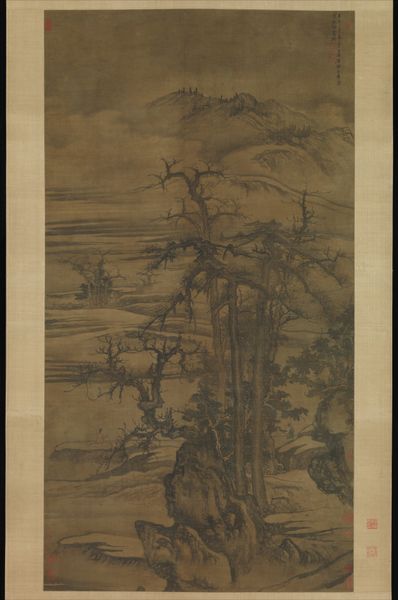
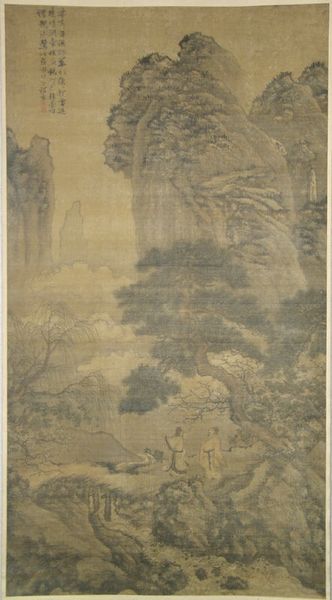
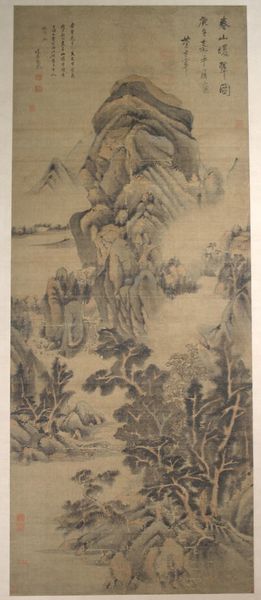
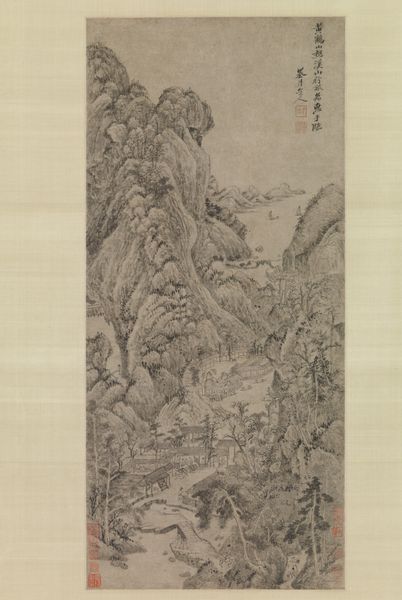
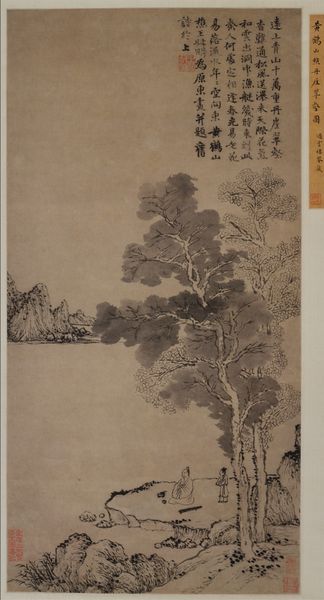
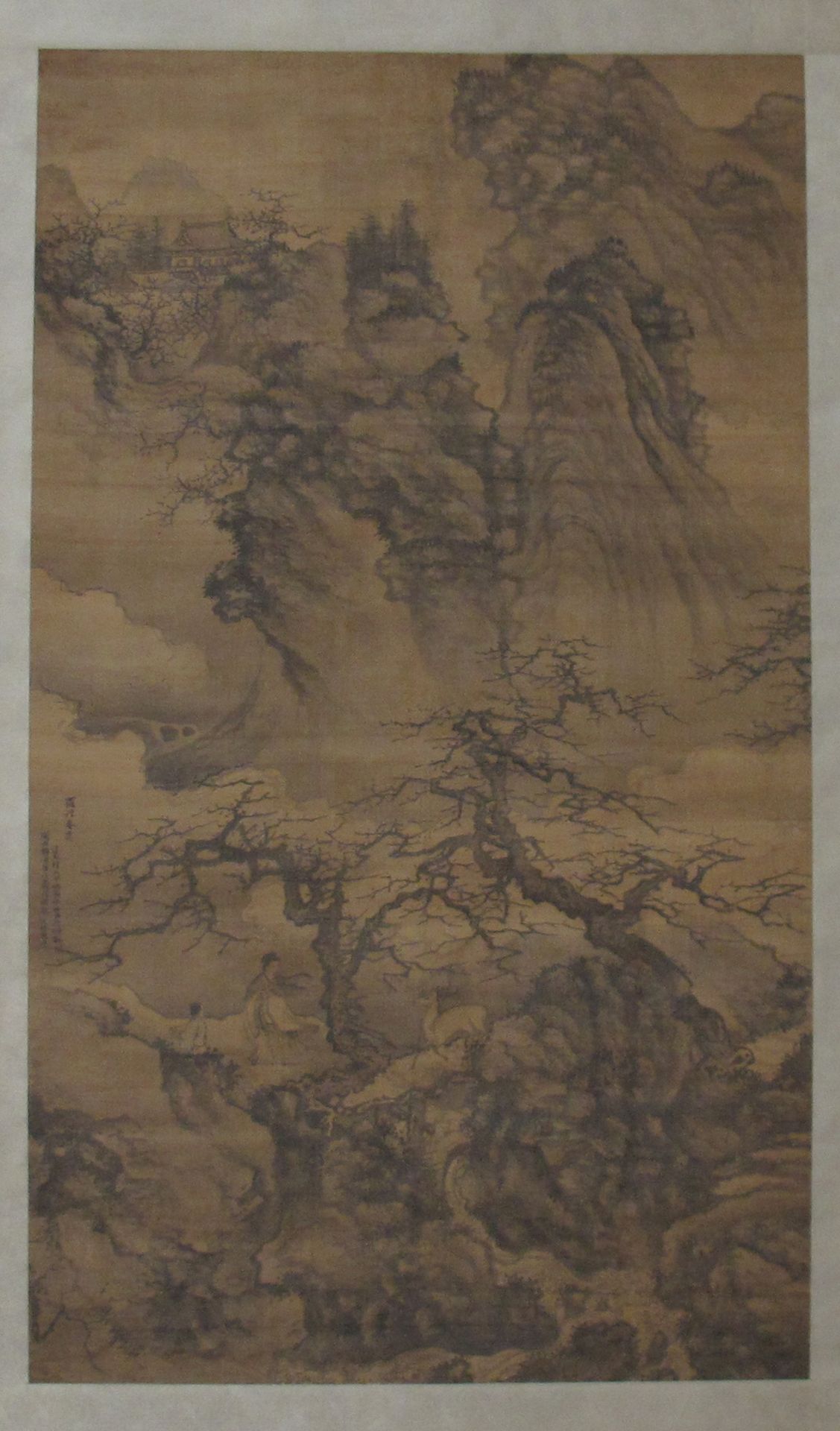
Xie Shichen created "Spring Landscape with Plum Blossoms, Scholar, and Deer" in the 16th century using ink and color on silk. Shichen lived during the Ming Dynasty, a time marked by cultural flourishing, but also rigid social hierarchies. The painting depicts a scholar in a vast landscape, accompanied by a deer, symbols often associated with wealth and status. Scholars, like Shichen, were part of the elite class, afforded the privilege of education and artistic pursuits. The landscape, rendered in delicate brushstrokes, becomes a reflection of their inner world, a space for contemplation, removed from the mundane. Yet, this romanticized view of the scholar class also obscures the realities of a society built on the labor of others. This scene evokes a sense of harmony, reflecting the Daoist and Confucian ideals embraced by the scholar class. It invites us to reflect on our relationship with nature, to question the privileges inherent in certain social positions, and to recognize the complex interplay between personal expression and cultural context.
Spring Landscape with Plum Blossoms, Scholar and Deer
1548


Artwork details
- Medium
- paper, ink
- Dimensions
- Image: 71 7/8 x 41 7/8 in. (182.6 x 106.4 cm)
- Location
- Metropolitan Museum of Art, New York, NY
- Copyright
- Public Domain
Tags
ink painting
asian-art
landscape
paper
22_ming-dynasty-1368-1644
ink
Comments
Be the first to share your thoughts about this work.
About this artwork
Xie Shichen created "Spring Landscape with Plum Blossoms, Scholar, and Deer" in the 16th century using ink and color on silk. Shichen lived during the Ming Dynasty, a time marked by cultural flourishing, but also rigid social hierarchies. The painting depicts a scholar in a vast landscape, accompanied by a deer, symbols often associated with wealth and status. Scholars, like Shichen, were part of the elite class, afforded the privilege of education and artistic pursuits. The landscape, rendered in delicate brushstrokes, becomes a reflection of their inner world, a space for contemplation, removed from the mundane. Yet, this romanticized view of the scholar class also obscures the realities of a society built on the labor of others. This scene evokes a sense of harmony, reflecting the Daoist and Confucian ideals embraced by the scholar class. It invites us to reflect on our relationship with nature, to question the privileges inherent in certain social positions, and to recognize the complex interplay between personal expression and cultural context.
Comments
Be the first to share your thoughts about this work.