About this artwork
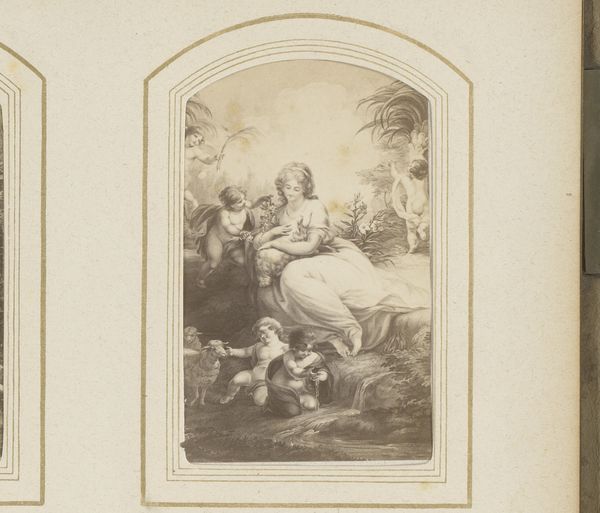
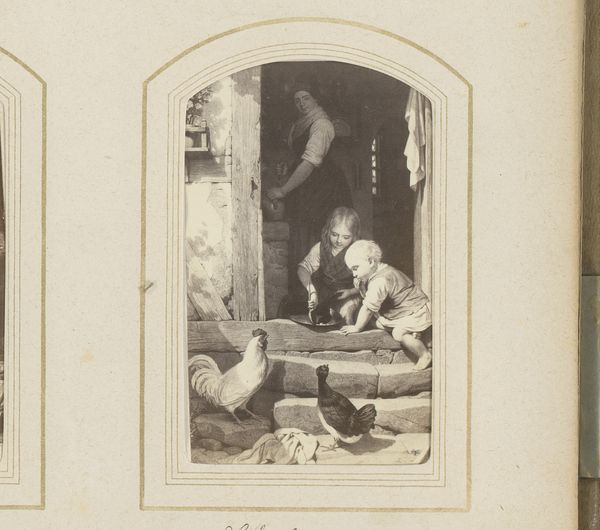
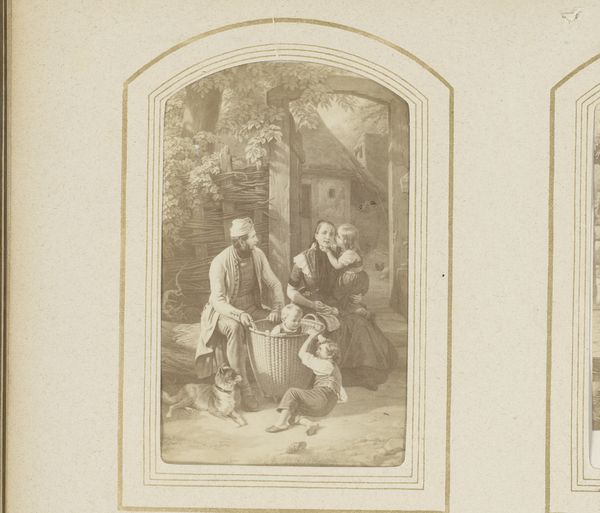
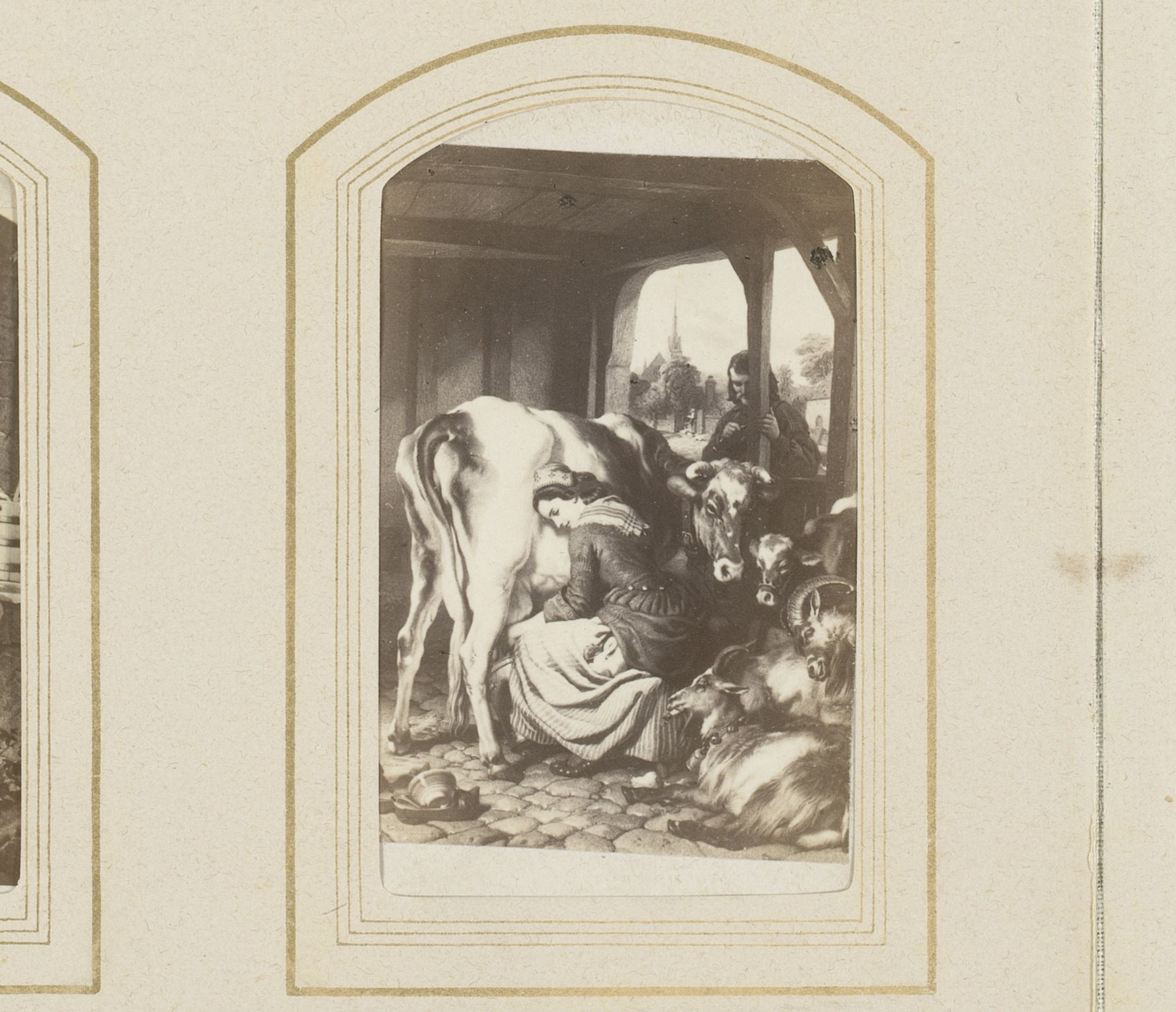
This is an anonymous photograph of The Maid and the Magpie, measuring only 100 by 62 millimetres, and held at the Rijksmuseum. It is a reproduction of the 1839 painting of the same name by Meindert Hobbema. The photograph preserves a cultural record, reflecting Dutch rural life. But in whose interests? The scene suggests a certain social structure, with the milkmaid performing her duties under the watchful eye of a male figure. Is this an idealized or realistic image? Was it produced for an elite audience, providing them with a romantic vision of country life? The rise of photography coincided with major social and economic changes, and we must see it as embedded in such histories. To understand the role of such images, we can turn to a range of sources: art criticism, social theory, economic data, as well as the histories of photographic techniques and institutions.
Fotoreproductie van The maid and the magpie
1870 - 1890

Anonymous
@anonymousLocation
RijksmuseumArtwork details
- Medium
- photography, gelatin-silver-print
- Dimensions
- height 100 mm, width 62 mm
- Location
- Rijksmuseum
- Copyright
- Rijks Museum: Open Domain
Tags
Comments
Share your thoughts
About this artwork
This is an anonymous photograph of The Maid and the Magpie, measuring only 100 by 62 millimetres, and held at the Rijksmuseum. It is a reproduction of the 1839 painting of the same name by Meindert Hobbema. The photograph preserves a cultural record, reflecting Dutch rural life. But in whose interests? The scene suggests a certain social structure, with the milkmaid performing her duties under the watchful eye of a male figure. Is this an idealized or realistic image? Was it produced for an elite audience, providing them with a romantic vision of country life? The rise of photography coincided with major social and economic changes, and we must see it as embedded in such histories. To understand the role of such images, we can turn to a range of sources: art criticism, social theory, economic data, as well as the histories of photographic techniques and institutions.
Comments
Share your thoughts