About this artwork
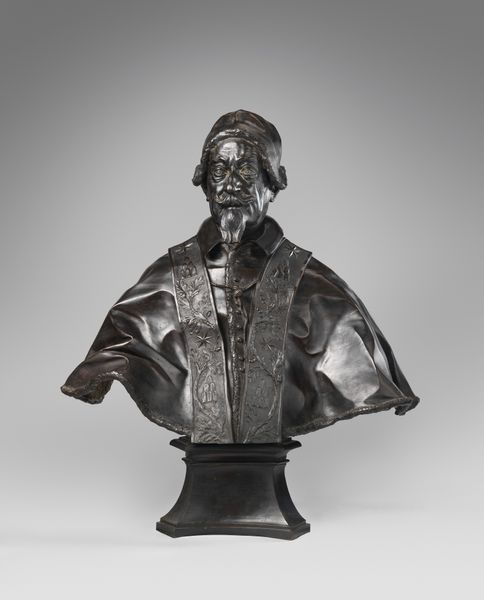
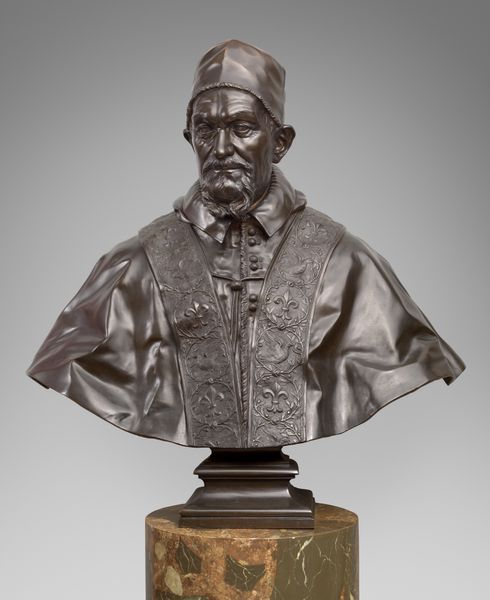
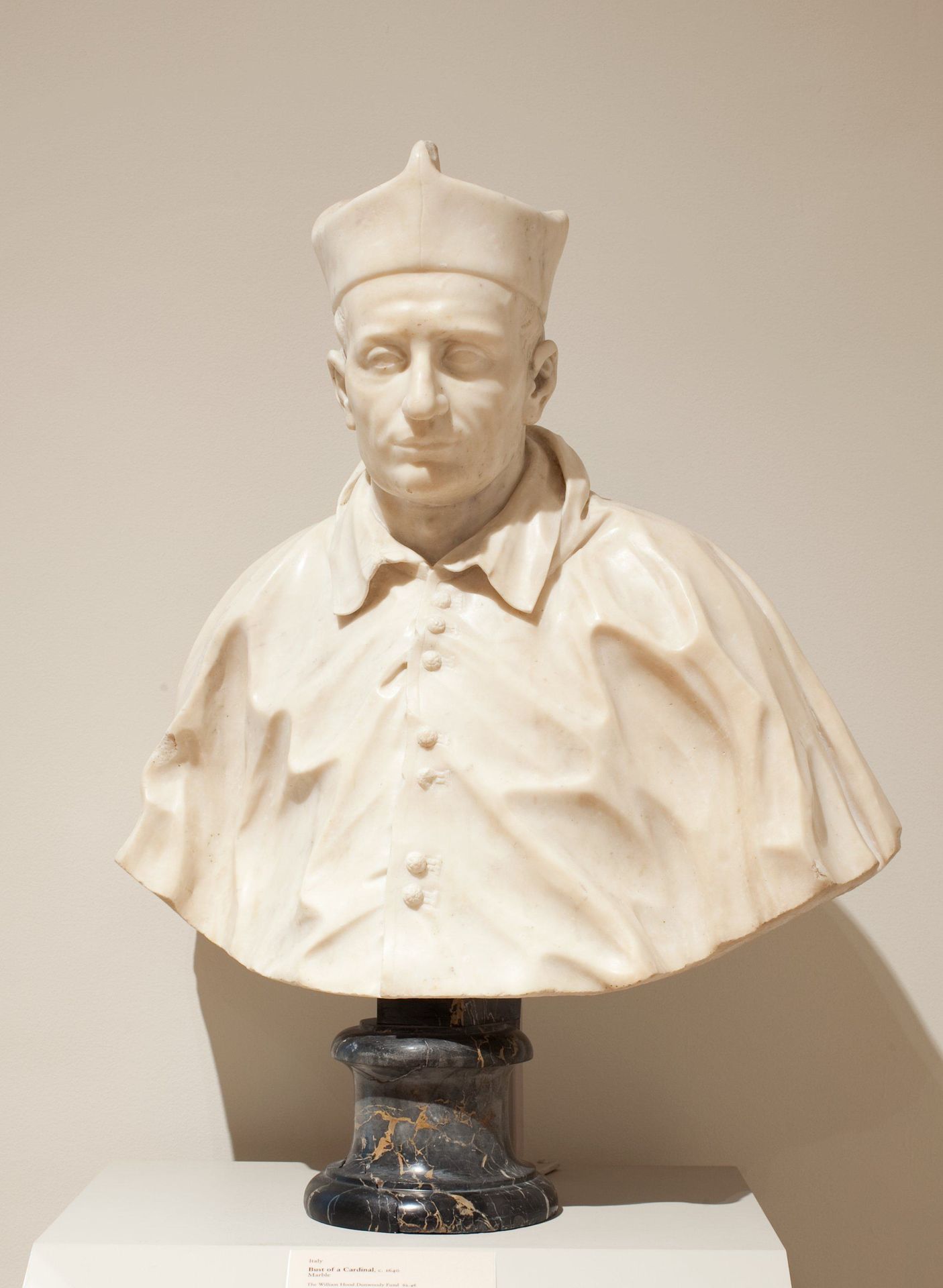
This marble bust portrays a Cardinal, though its creator and precise date remain unknown. But we can still learn a lot. The Catholic Church has been a powerful patron of the arts for centuries, and portraiture has long served as a way to immortalize and celebrate important figures. The high quality of the work indicates the patron was probably wealthy. The subject's clothing and accouterments also speak volumes. A cardinal is a high-ranking official in the church, and his distinctive hat and cape are symbols of his status and authority. This bust likely served as a statement of power and prestige, both for the individual depicted and for the institution he represented. The marble itself is a culturally significant material, used since antiquity to represent power and status. To truly understand this piece, further research into the historical context is needed. Examining church records, family histories, and artistic trends of the time could reveal more about the identity of the sitter, the motivations of the patron, and the social forces that shaped its creation.
Bust of a Cardinal
c. 1640


Artwork details
- Medium
- sculpture, marble
- Dimensions
- 28 1/2 x 36 1/4in. (72.4 x 92.1cm)
- Location
- Minneapolis Institute of Art
- Copyright
- Public Domain
Tags
Comments
Share your thoughts
About this artwork
This marble bust portrays a Cardinal, though its creator and precise date remain unknown. But we can still learn a lot. The Catholic Church has been a powerful patron of the arts for centuries, and portraiture has long served as a way to immortalize and celebrate important figures. The high quality of the work indicates the patron was probably wealthy. The subject's clothing and accouterments also speak volumes. A cardinal is a high-ranking official in the church, and his distinctive hat and cape are symbols of his status and authority. This bust likely served as a statement of power and prestige, both for the individual depicted and for the institution he represented. The marble itself is a culturally significant material, used since antiquity to represent power and status. To truly understand this piece, further research into the historical context is needed. Examining church records, family histories, and artistic trends of the time could reveal more about the identity of the sitter, the motivations of the patron, and the social forces that shaped its creation.
Comments
Share your thoughts