About this artwork
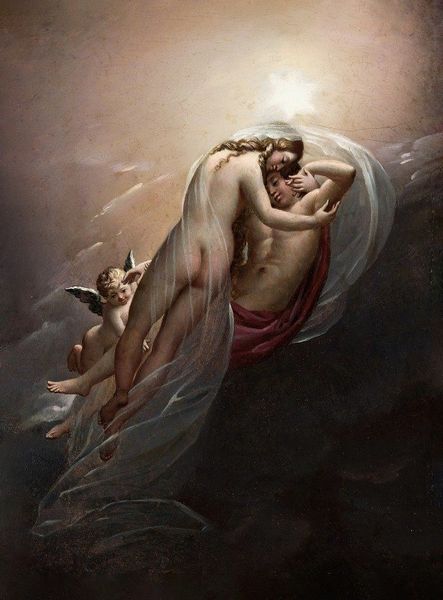
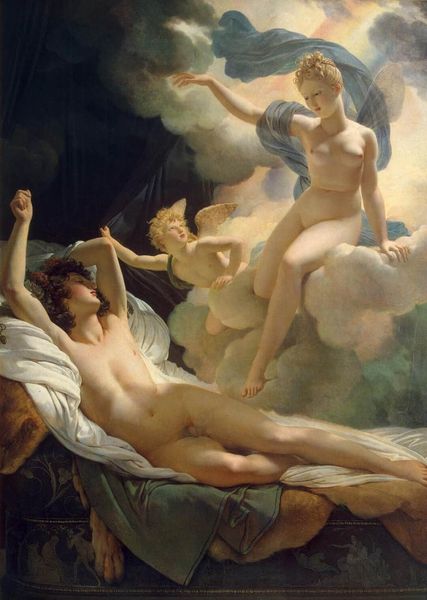
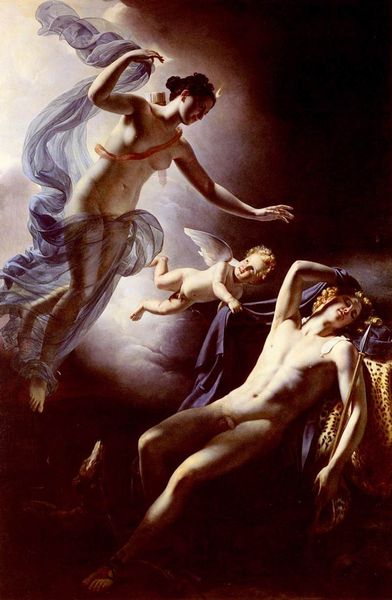
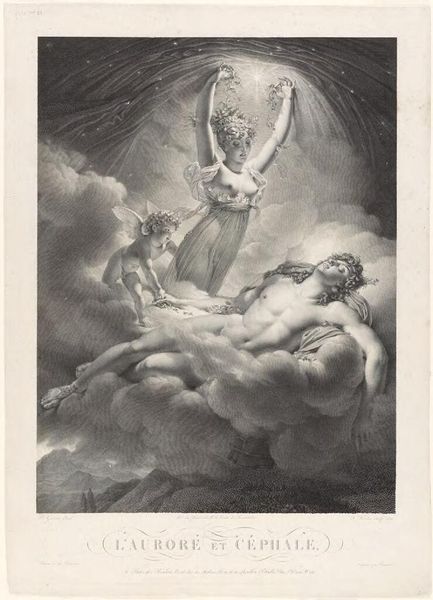
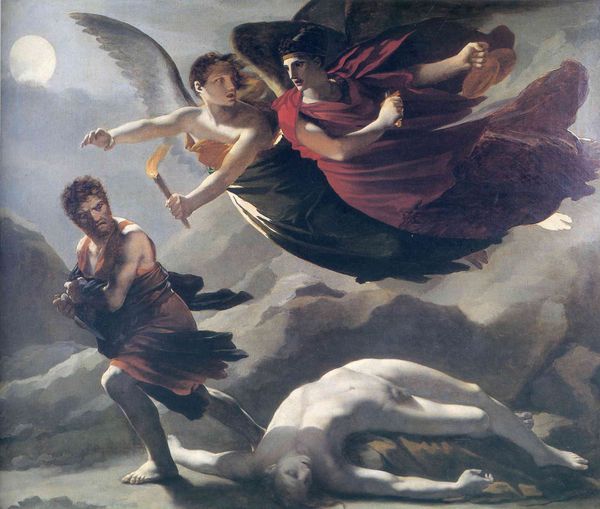
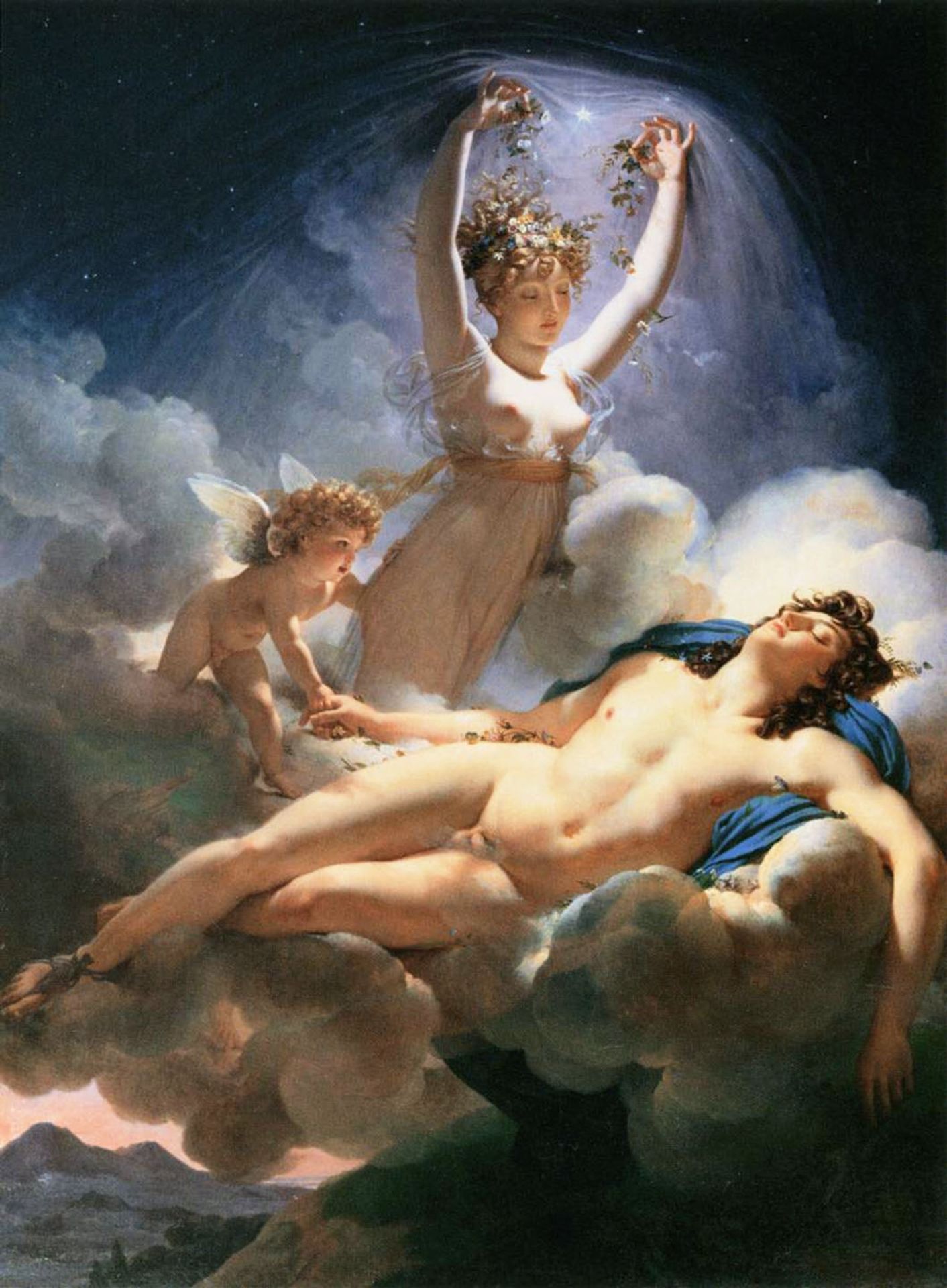
Pierre-Narcisse Guerin painted Aurora and Cephalus in France sometime in the late 18th or early 19th century. The painting's subject comes from classical mythology: Aurora, goddess of the dawn, abducts the mortal Cephalus. Images like this speak to the cultural and political aspirations of post-revolutionary France. The artistic establishment, the Academy, promoted classical subjects rendered in a highly finished style. This aesthetic was seen to embody the values of order, reason, and civic virtue associated with the Roman Republic. The prevalence of nudity in this painting and others reflects a fascination with classical sculpture in the period. But there was a tension here. As French society modernized, some artists began to question these norms, experimenting with looser brushwork and modern subjects that we see in the Romantic period. The meaning and value of the classical style was thus hotly contested. By studying paintings such as this and reading the writings of critics, we can better understand the complex relationship between art and society in this period.


Artwork details
- Medium
- painting, oil-paint
- Dimensions
- 186 x 254 cm
- Location
- Louvre, Paris, France
- Copyright
- Public domain
Tags
Comments
Share your thoughts
About this artwork
Pierre-Narcisse Guerin painted Aurora and Cephalus in France sometime in the late 18th or early 19th century. The painting's subject comes from classical mythology: Aurora, goddess of the dawn, abducts the mortal Cephalus. Images like this speak to the cultural and political aspirations of post-revolutionary France. The artistic establishment, the Academy, promoted classical subjects rendered in a highly finished style. This aesthetic was seen to embody the values of order, reason, and civic virtue associated with the Roman Republic. The prevalence of nudity in this painting and others reflects a fascination with classical sculpture in the period. But there was a tension here. As French society modernized, some artists began to question these norms, experimenting with looser brushwork and modern subjects that we see in the Romantic period. The meaning and value of the classical style was thus hotly contested. By studying paintings such as this and reading the writings of critics, we can better understand the complex relationship between art and society in this period.
Comments
Share your thoughts