c. 180
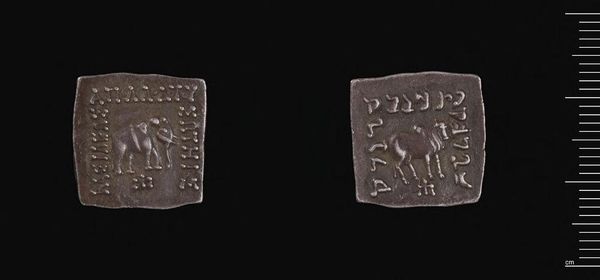
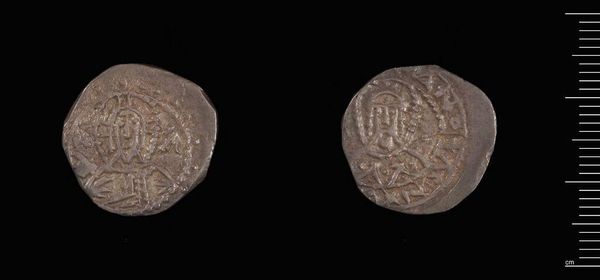
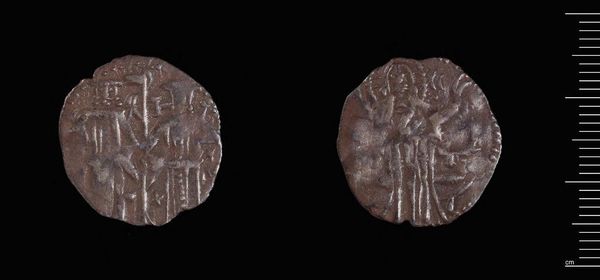
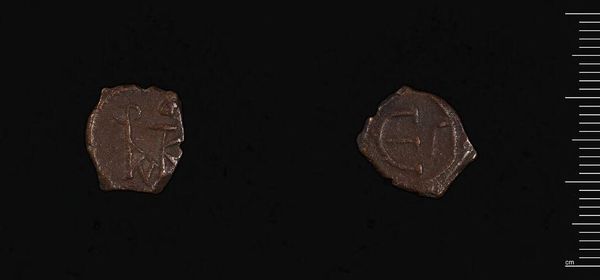
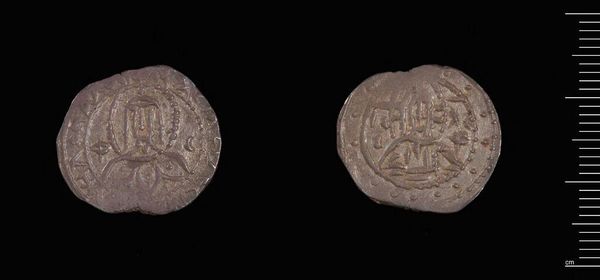
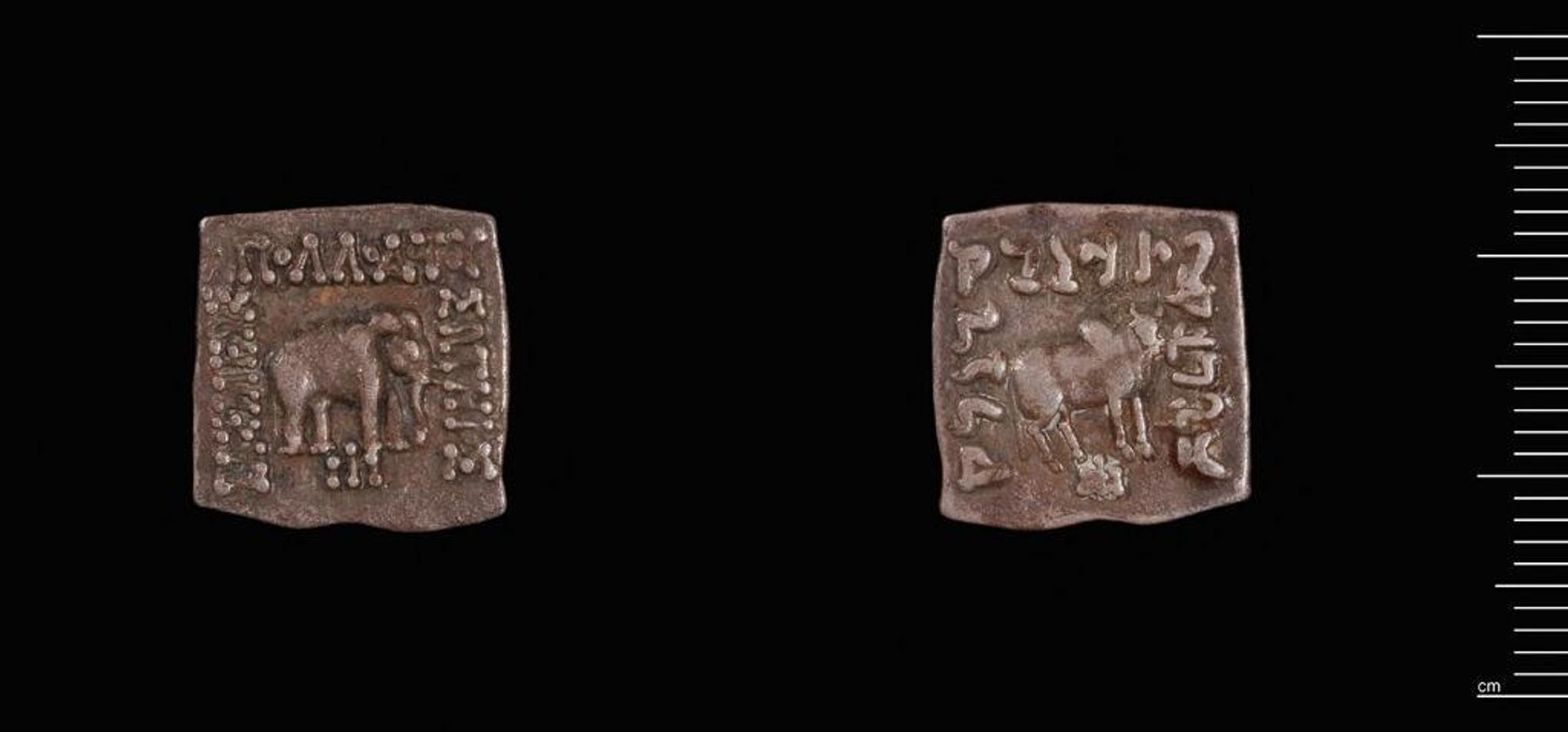
Drachm of Apollodotos I of Bakria

Curatorial notes
Curator: Let's discuss this Drachm of Apollodotos I of Bakria, currently residing at the Harvard Art Museums. Editor: There's a stark beauty in its simplicity, almost brutalist in its form despite the intricate detailing. Curator: As a coin, it’s potent with sociopolitical meaning. Apollodotos, a Greco-Bactrian king, used such imagery to project power and consolidate his identity. Editor: The elephant and zebu bull are rendered with such meticulous precision, their presence commands attention, despite the coin's diminutive scale. Curator: Indeed, the selection of the elephant as a symbol is fascinating, given its connection to both war and wisdom in ancient Indian cultures. Editor: The arrangement of the text around the figures creates a sense of enclosure, almost trapping the images within the frame, which amplifies the coin's intensity. Curator: Considering that currency often serves as a direct expression of state ideology, it is a remarkable encapsulation of cross-cultural exchange. Editor: It's a small object, but its aesthetic echoes across millennia offer a glimpse into the past.