About this artwork
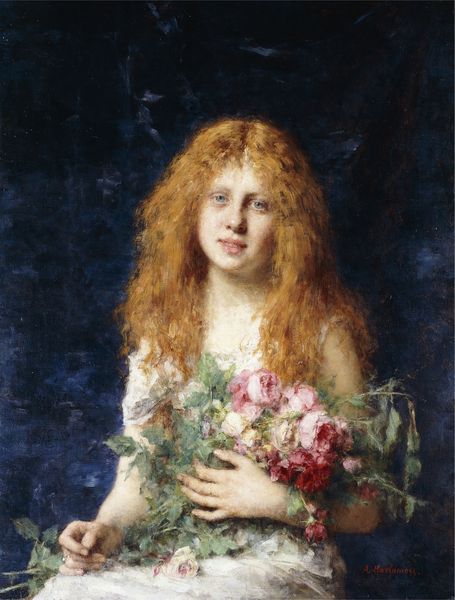
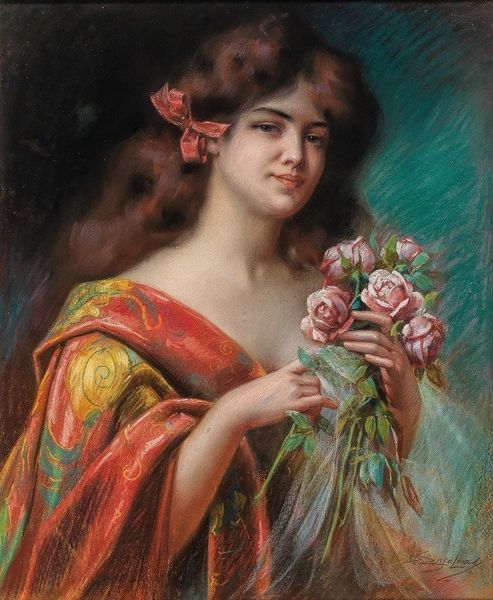
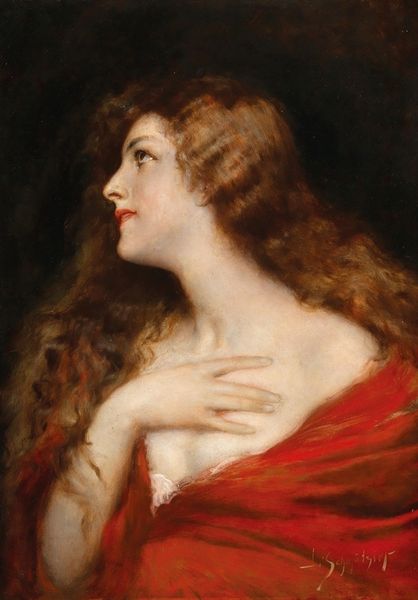
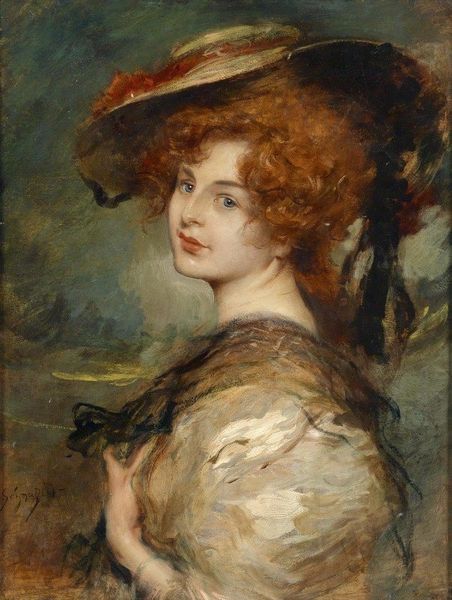
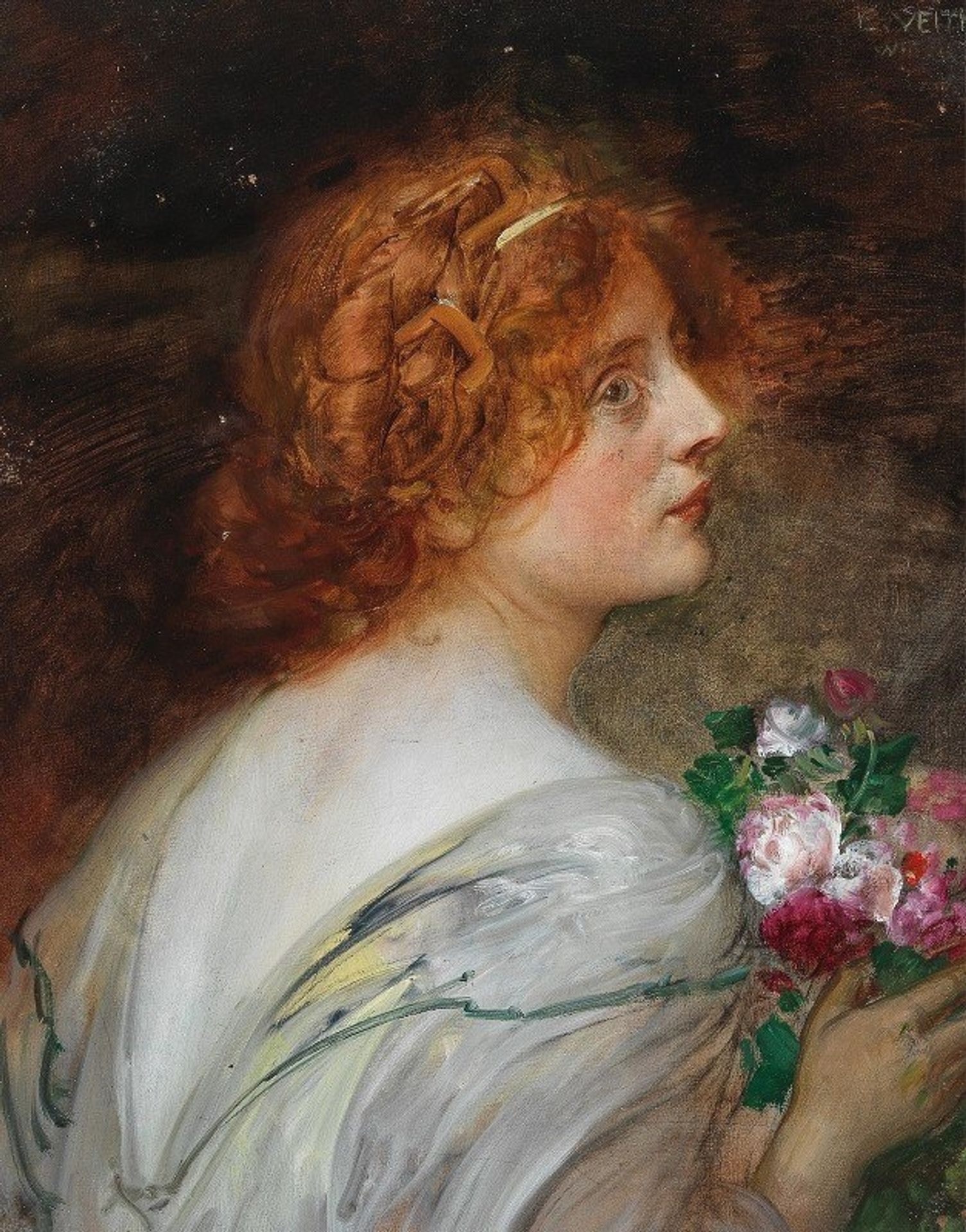
Eduard Veith created this portrait of a young woman with roses in her hands at an unknown date. The model's red hair, classical drapery, and averted gaze all evoke the aesthetics of late nineteenth-century Symbolism. Paintings like this circulated within the art market of the Austro-Hungarian Empire, and the style became popular in part because it aligned with the conservative tastes of the Imperial court. The woman’s beauty is timeless, but the painting’s cultural significance is not. It makes sense to ask whether it was conceived to reinforce traditional ideas about the role of women as figures of beauty and inspiration rather than active participants in the cultural sphere. To study this properly we would look into the exhibition history of the work and the critical response it provoked, as well as biographical details about the artist and his patrons. The meaning of art always depends on its relationship to the institutions of its time.
Back View Of A Young Woman In Profile With A Bouquet Of Roses In Her Hands

Artwork details
- Medium
- painting, oil-paint
- Copyright
- Public Domain: Artvee
Tags
portrait
figurative
painting
oil-paint
figuration
oil painting
romanticism
Comments
Be the first to share your thoughts about this work.
About this artwork
Eduard Veith created this portrait of a young woman with roses in her hands at an unknown date. The model's red hair, classical drapery, and averted gaze all evoke the aesthetics of late nineteenth-century Symbolism. Paintings like this circulated within the art market of the Austro-Hungarian Empire, and the style became popular in part because it aligned with the conservative tastes of the Imperial court. The woman’s beauty is timeless, but the painting’s cultural significance is not. It makes sense to ask whether it was conceived to reinforce traditional ideas about the role of women as figures of beauty and inspiration rather than active participants in the cultural sphere. To study this properly we would look into the exhibition history of the work and the critical response it provoked, as well as biographical details about the artist and his patrons. The meaning of art always depends on its relationship to the institutions of its time.
Comments
Be the first to share your thoughts about this work.