1870 - 1900
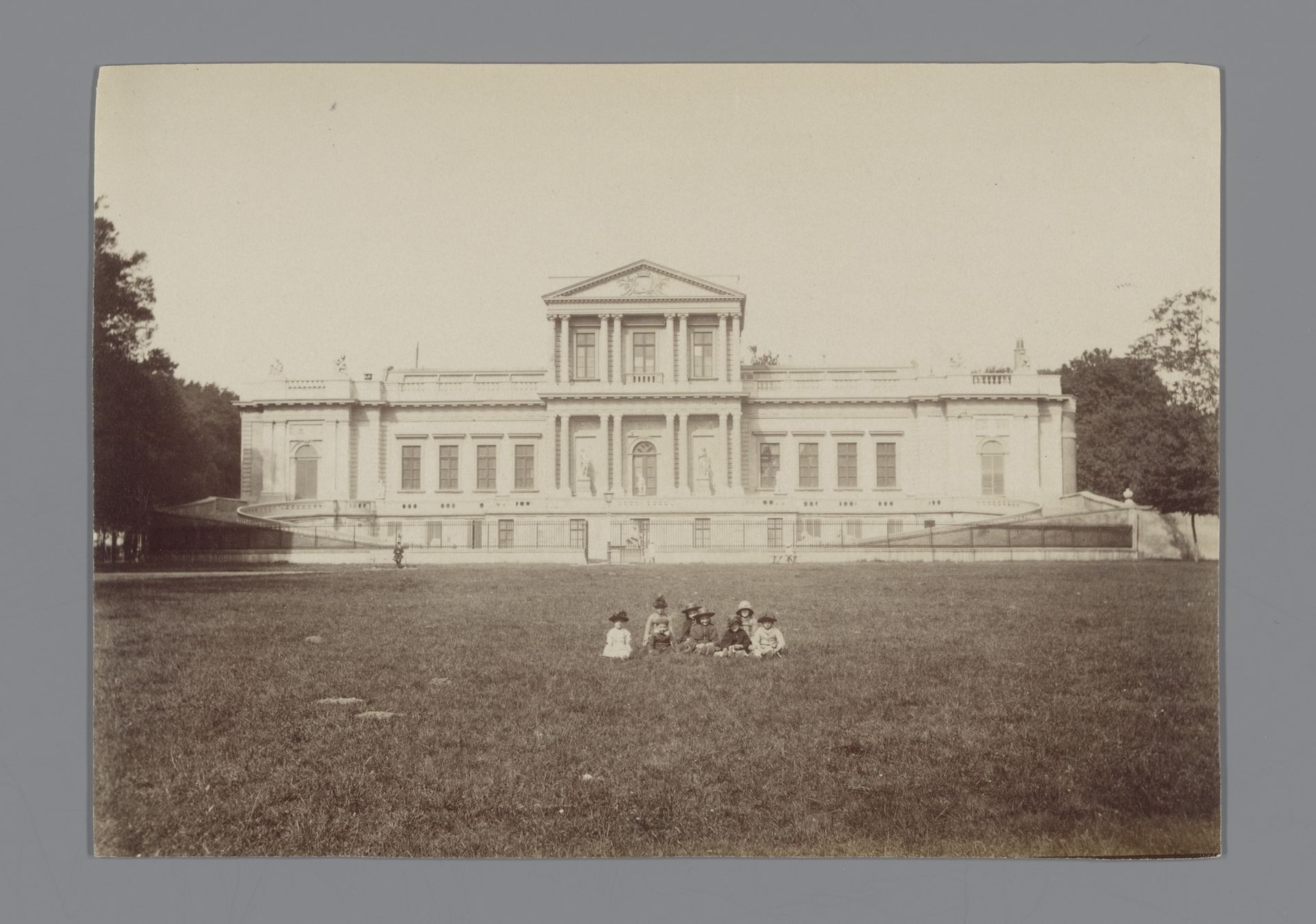
Paviljoen Welgelegen te Haarlem, met kinderen zittend op het gras

Andries Jager
1825 - 1905Location
RijksmuseumListen to curator's interpretation
Curatorial notes
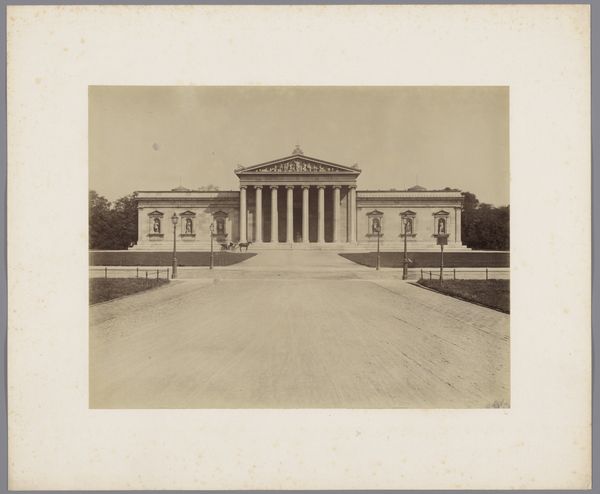
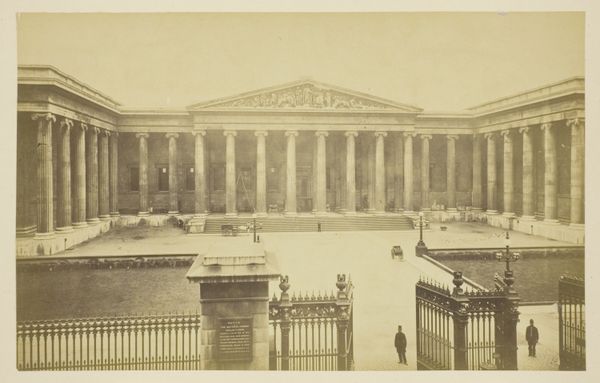
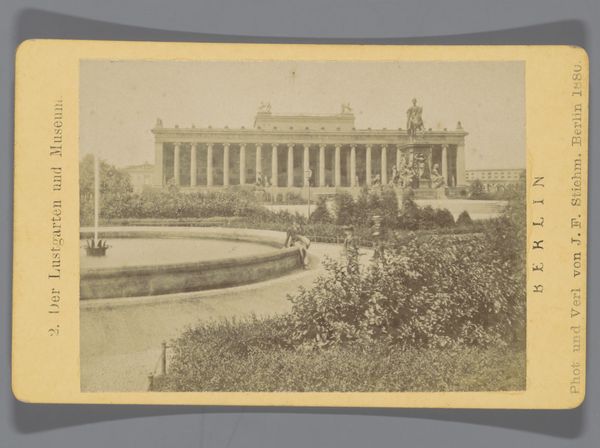
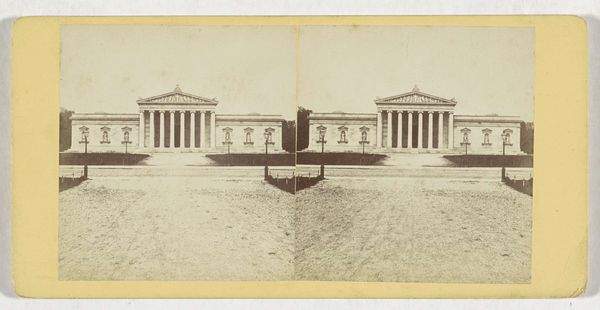
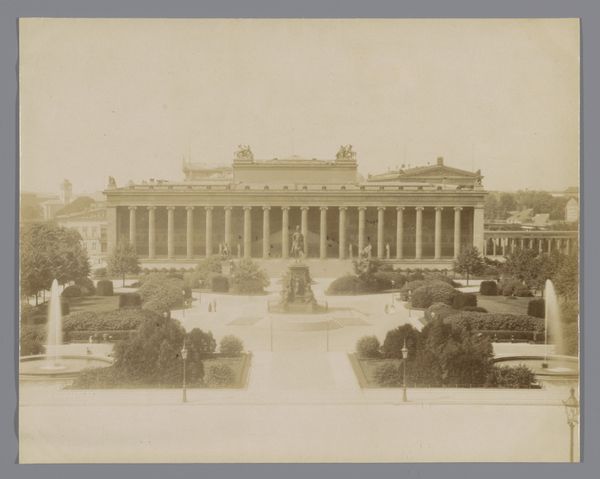
This photograph of the Paviljoen Welgelegen in Haarlem, featuring children seated on the grass, was captured by Andries Jager. The building itself is adorned with neoclassical motifs: columns, pediments, and statuary—hallmarks of an era that sought to revive the glories of antiquity. These architectural symbols evoke a lineage stretching back to ancient Greece and Rome. The columns, for instance, are not mere supports but stand as potent symbols of stability and order. They recur across millennia, from the temples of antiquity to the monuments of the Renaissance. Their use reflects a longing for a golden age of reason and harmony. Consider the pediment, too—often filled with allegorical figures, intended to elevate the building and its occupants. The presence of these motifs speaks to a collective memory, a yearning to connect with a past perceived as more noble. The children in the foreground add another layer, suggesting continuity and a future anchored in these historical ideals. The image thus becomes a powerful symbol of cultural aspirations, engaging us on a subconscious level with echoes of past grandeur.