About this artwork
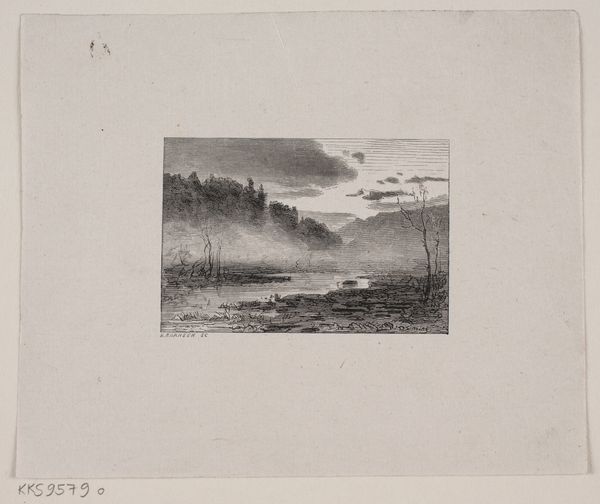
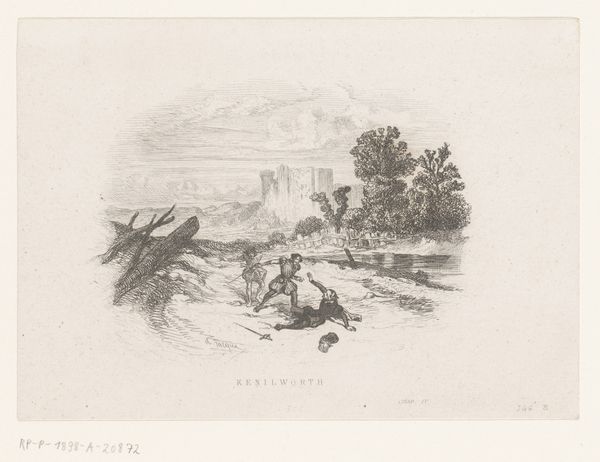
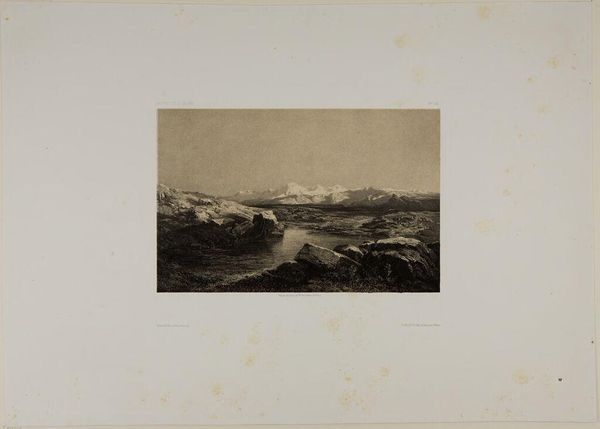
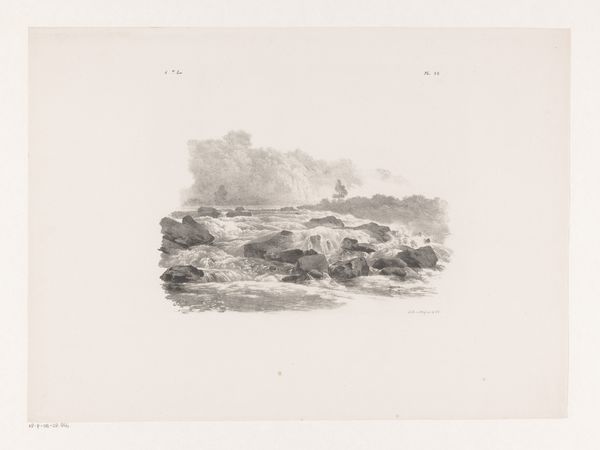
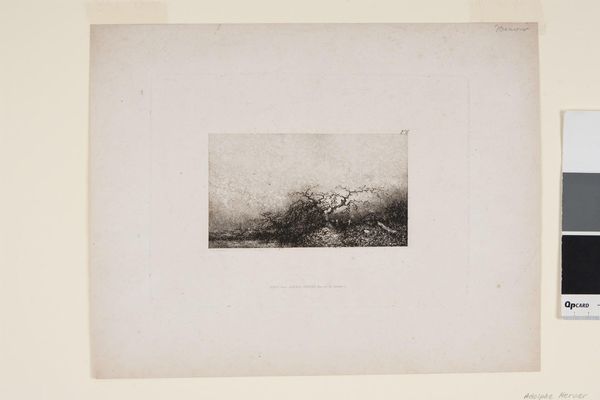
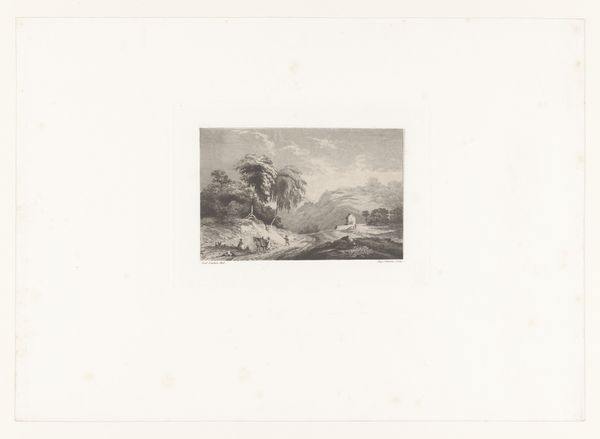
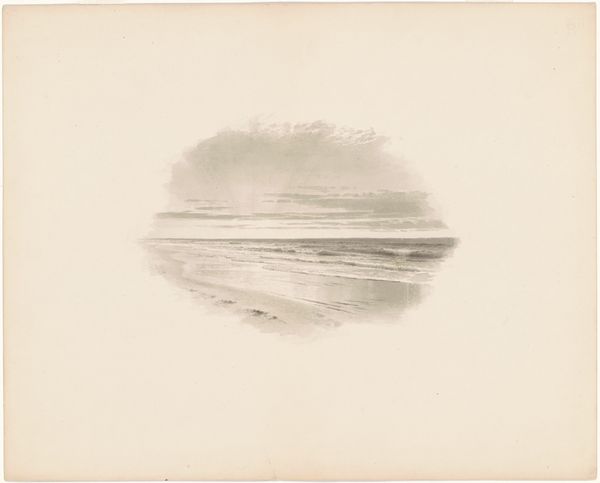
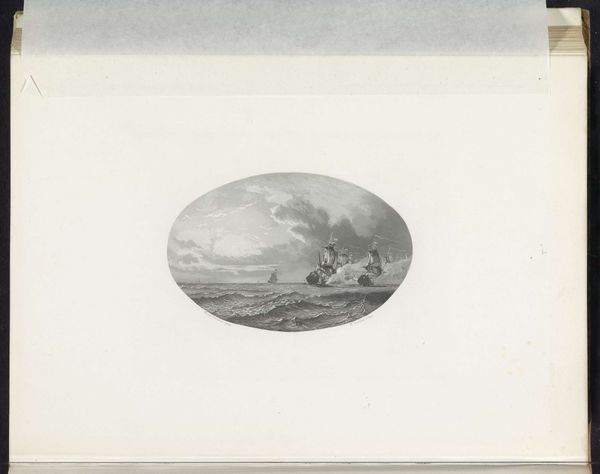
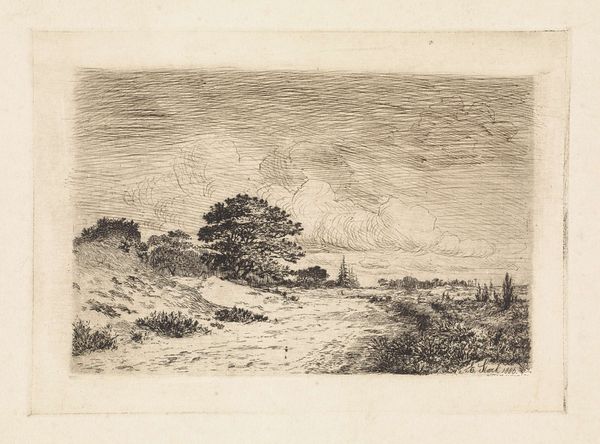
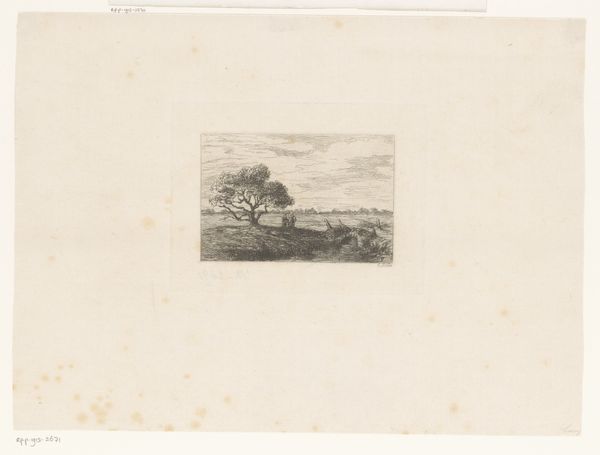
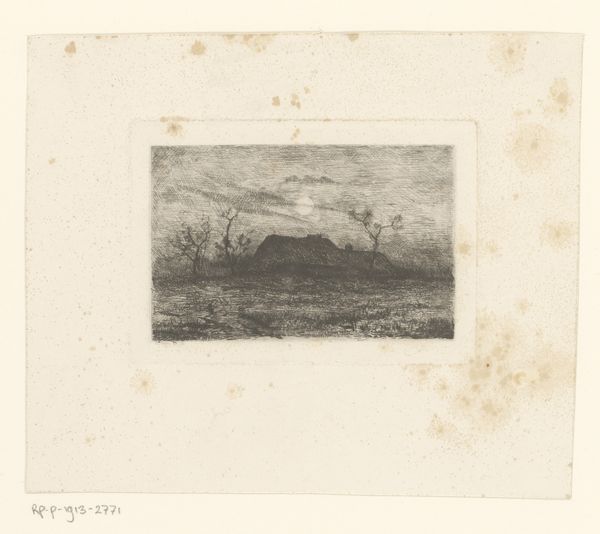
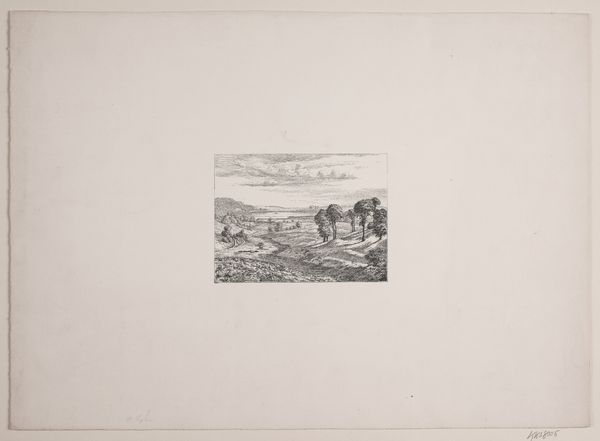
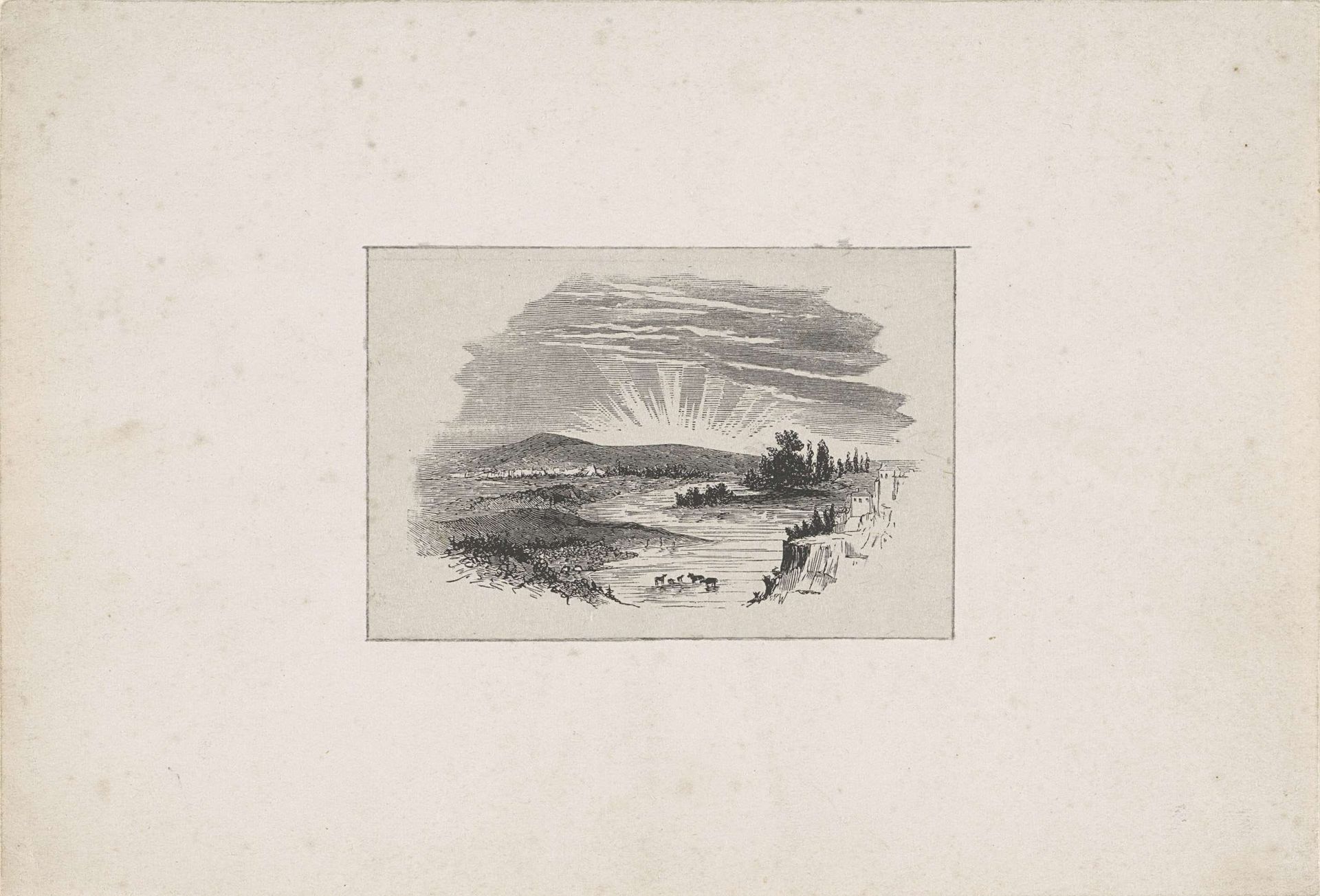
Isaac Weissenbruch made this landscape with animals in the water using etching. Weissenbruch was a leading figure of the Hague School, a group of Dutch landscape painters who sought to capture the atmospheric effects of the Dutch countryside. This etching reflects the group’s interest in depicting the everyday life of the Netherlands with an increasing turn toward the pastoral. In this piece, the low horizon line emphasizes the vastness of the sky, a characteristic feature of Dutch landscapes. The image captures a moment of tranquility in nature. The cows drinking water contribute to the peaceful mood. Weissenbruch likely made it en plein air. His sketching outdoors was an effort to capture the changing light and weather conditions in the Netherlands. To understand Weissenbruch’s place in Dutch art, one should look at exhibition catalogues and reviews. It might also be interesting to compare this etching with other works by Hague School artists to explore the shared artistic concerns and individual styles within the group.
Heuvellandschap met dieren in het water
1836 - 1912

Isaac Weissenbruch
1826 - 1912Location
RijksmuseumArtwork details
- Medium
- print, engraving
- Dimensions
- height 135 mm, width 197 mm
- Location
- Rijksmuseum
- Copyright
- Rijks Museum: Open Domain
Tags
old engraving style
landscape
engraving
realism
Comments
Be the first to share your thoughts about this work.
About this artwork
Isaac Weissenbruch made this landscape with animals in the water using etching. Weissenbruch was a leading figure of the Hague School, a group of Dutch landscape painters who sought to capture the atmospheric effects of the Dutch countryside. This etching reflects the group’s interest in depicting the everyday life of the Netherlands with an increasing turn toward the pastoral. In this piece, the low horizon line emphasizes the vastness of the sky, a characteristic feature of Dutch landscapes. The image captures a moment of tranquility in nature. The cows drinking water contribute to the peaceful mood. Weissenbruch likely made it en plein air. His sketching outdoors was an effort to capture the changing light and weather conditions in the Netherlands. To understand Weissenbruch’s place in Dutch art, one should look at exhibition catalogues and reviews. It might also be interesting to compare this etching with other works by Hague School artists to explore the shared artistic concerns and individual styles within the group.
Comments
Be the first to share your thoughts about this work.