About this artwork
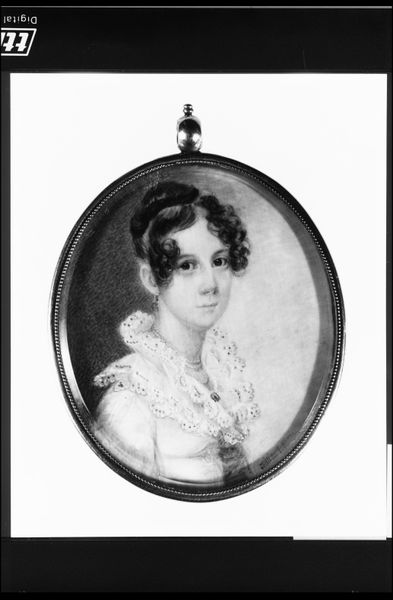
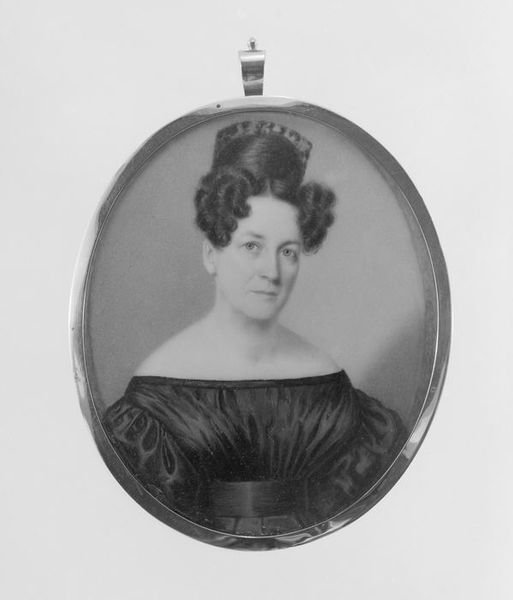
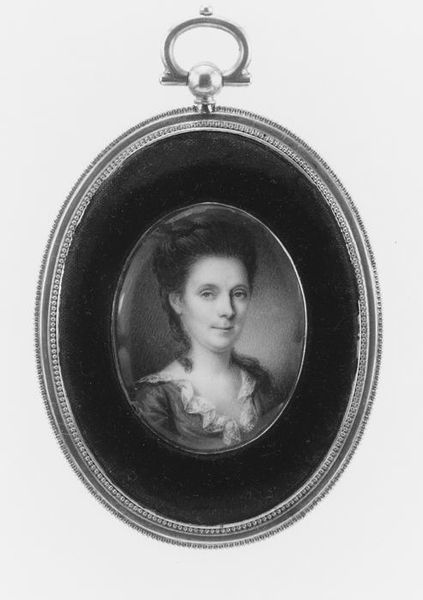
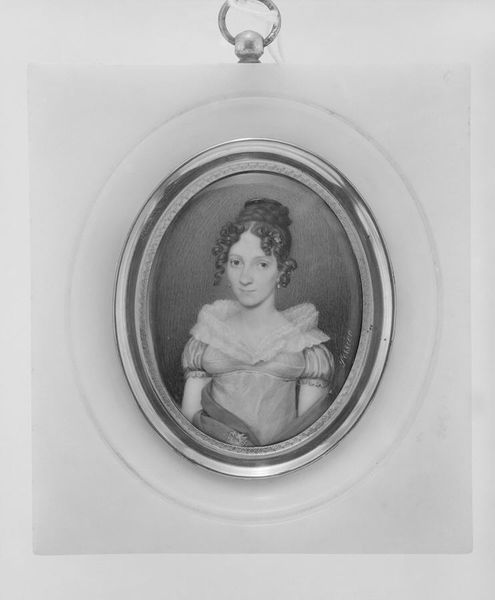
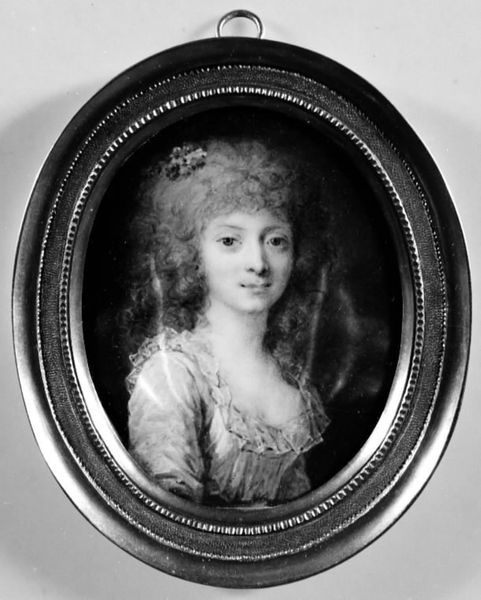
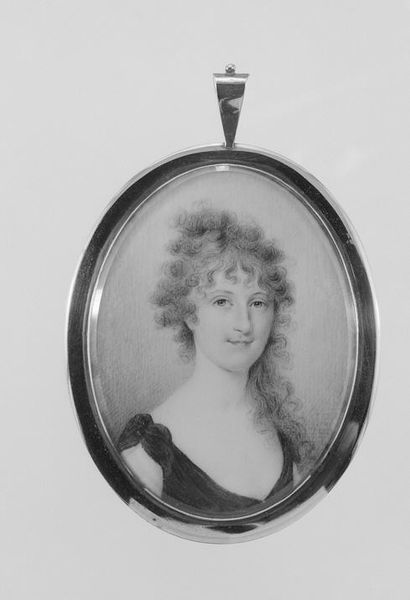
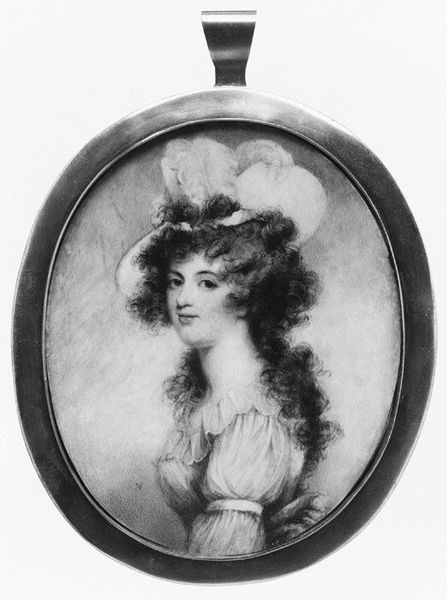
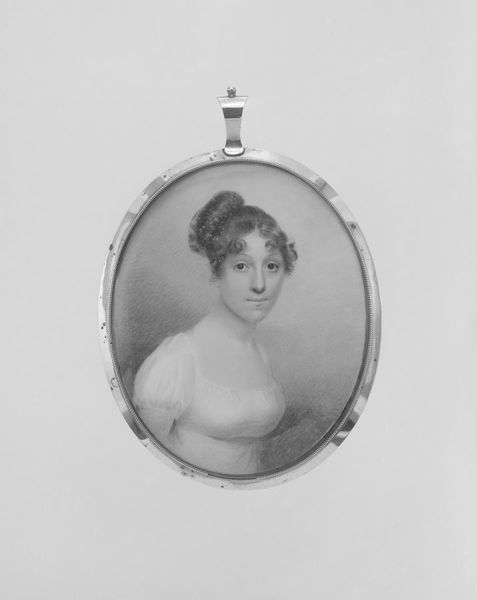
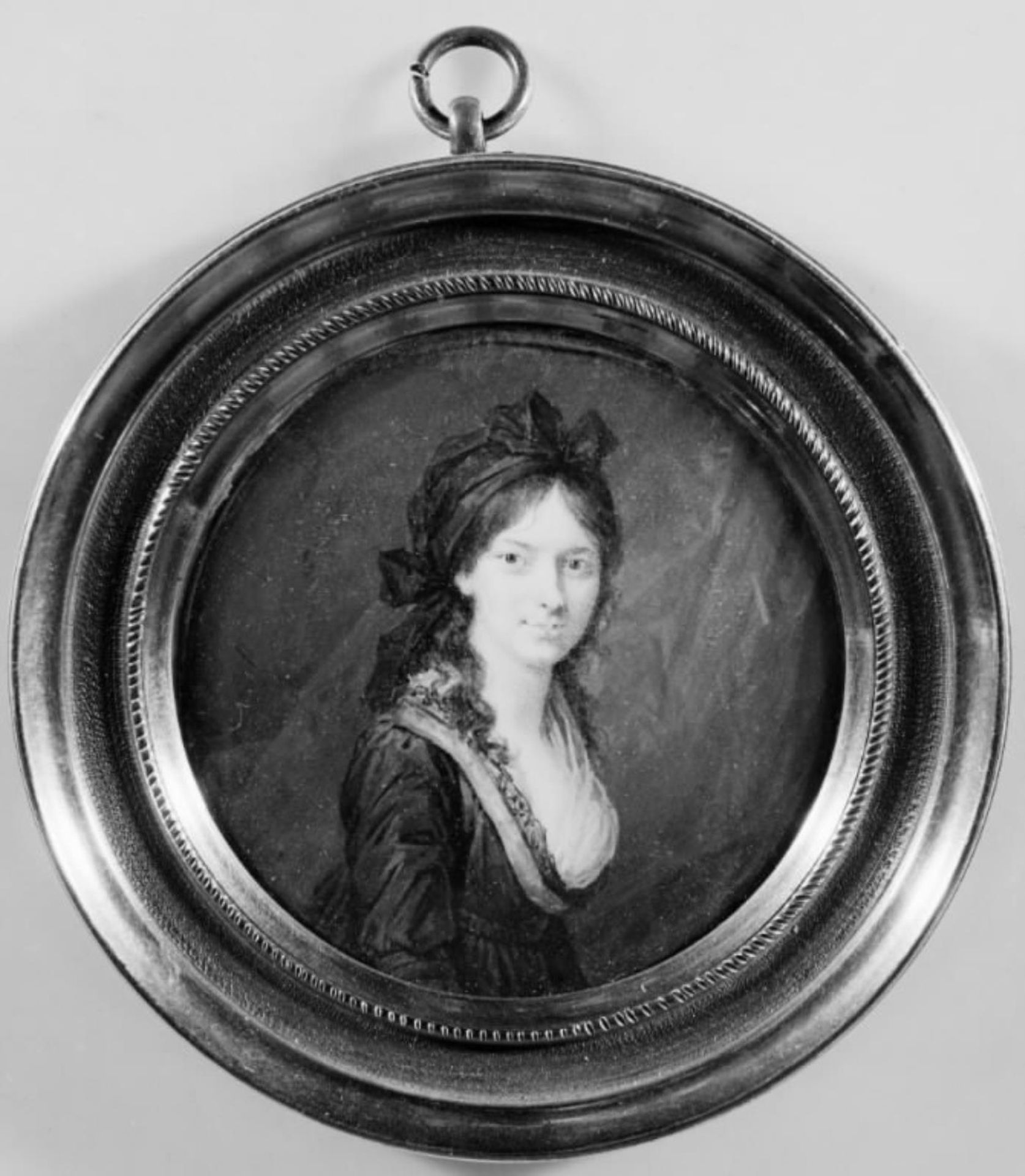
Cornelius Høyer painted this miniature portrait of Anna Elisabeth Ter Borch during a time of significant social change, as the Enlightenment ideals began to question established norms around gender and identity. The small scale of the work invites an intimate viewing experience, yet the portrait also reflects the constraints placed on women of the era. Anna is presented with a quiet composure, her gaze direct but not confrontational, which embodies a tension between individuality and social expectations. It offers an emotional insight into the artist's attempt to capture her likeness but also reflects the societal standards of female representation. Looking at Anna's representation, we may consider whether the portrait captures her individual spirit, or it conforms to the expectations of femininity in the late 18th century. This piece serves as a reminder of the complex interplay between personal identity and cultural norms, prompting us to reflect on the ongoing dialogue between individual expression and social representation.
Anna Elisabeth Ter Borch
1802


Artwork details
- Medium
- painting, ivory
- Dimensions
- 5.8 cm (None) (None)
- Location
- SMK - Statens Museum for Kunst
Tags
Comments
Share your thoughts
About this artwork
Cornelius Høyer painted this miniature portrait of Anna Elisabeth Ter Borch during a time of significant social change, as the Enlightenment ideals began to question established norms around gender and identity. The small scale of the work invites an intimate viewing experience, yet the portrait also reflects the constraints placed on women of the era. Anna is presented with a quiet composure, her gaze direct but not confrontational, which embodies a tension between individuality and social expectations. It offers an emotional insight into the artist's attempt to capture her likeness but also reflects the societal standards of female representation. Looking at Anna's representation, we may consider whether the portrait captures her individual spirit, or it conforms to the expectations of femininity in the late 18th century. This piece serves as a reminder of the complex interplay between personal identity and cultural norms, prompting us to reflect on the ongoing dialogue between individual expression and social representation.
Comments
Share your thoughts