About this artwork
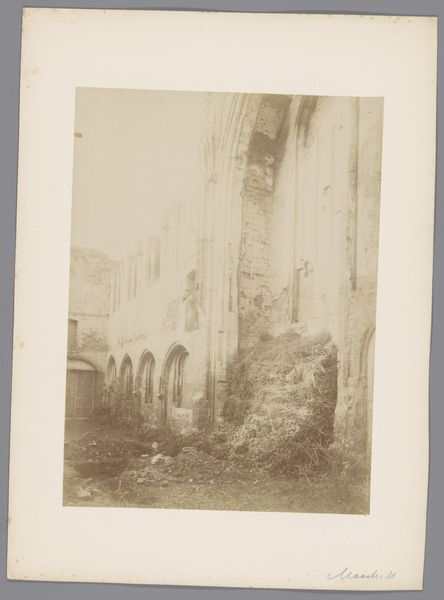
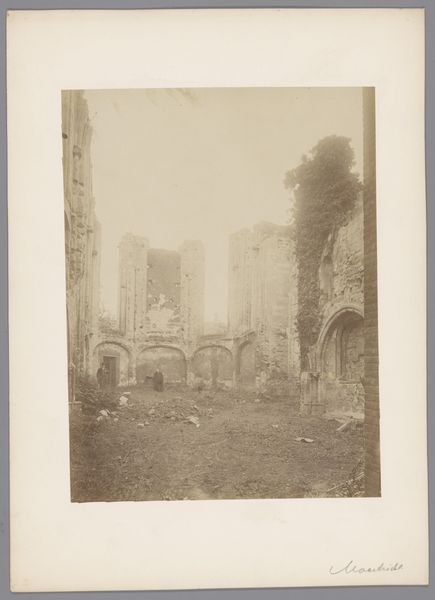
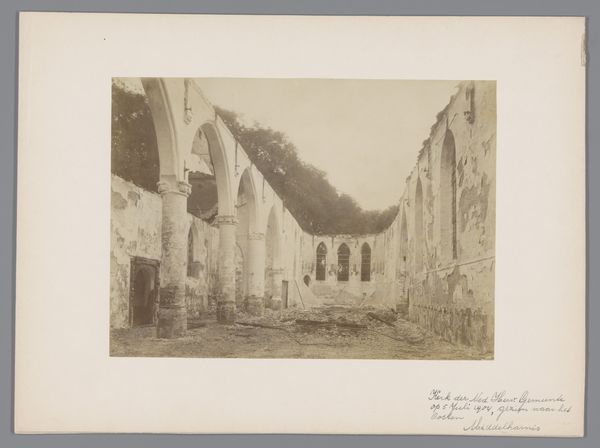
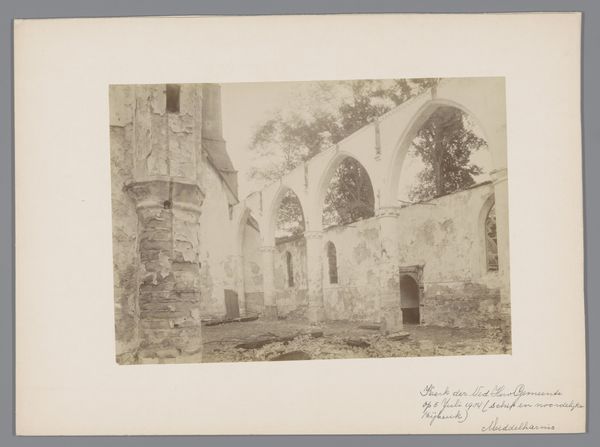
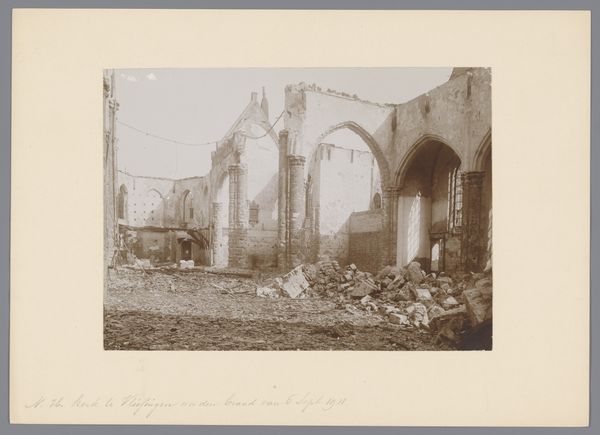
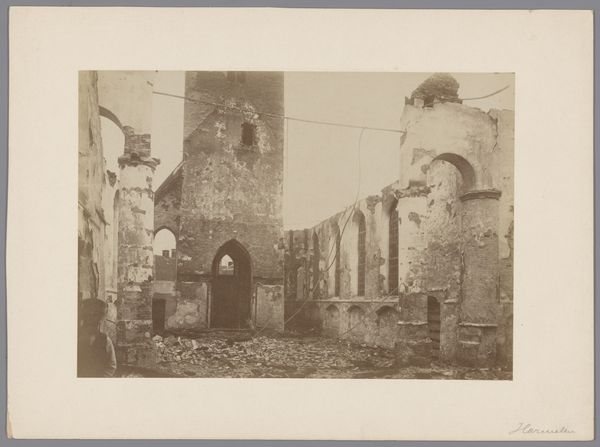
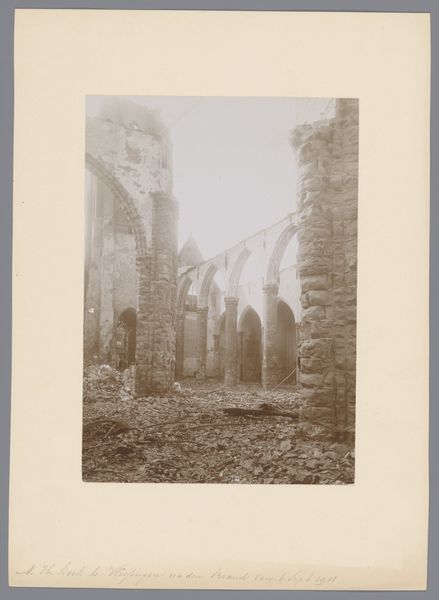
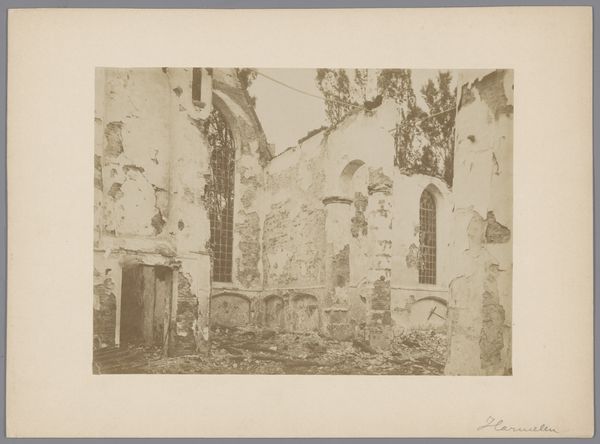
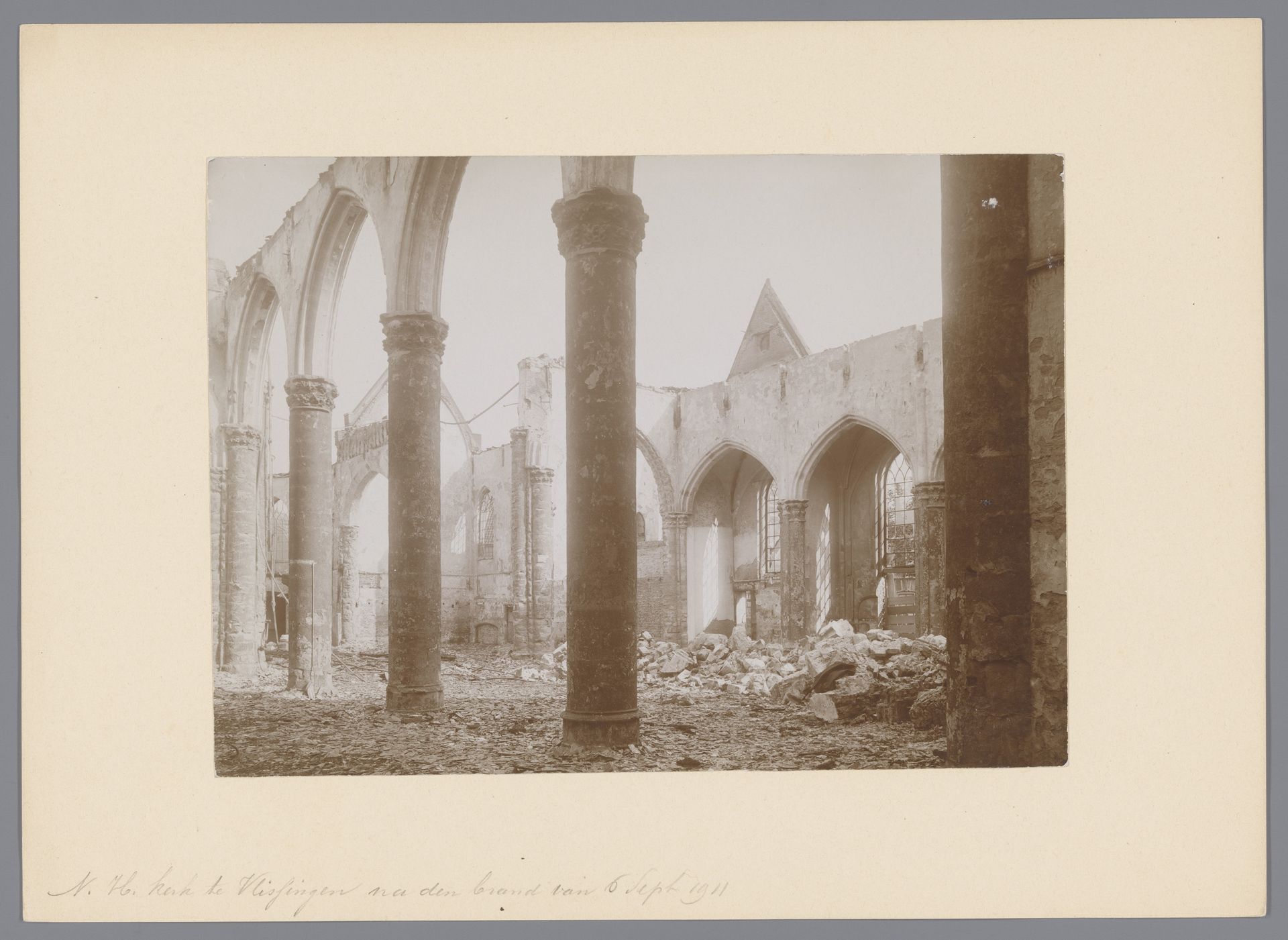
This photograph, taken in 1911 by an anonymous photographer for Monumentenzorg, captures the interior of the Hervormde Kerk in Vlissingen after a fire. Photography itself, a relatively new medium at the time, was transforming the way events were documented and remembered. This image, with its careful composition and stark realism, highlights the destructive force of the fire. Look at the textures of the charred columns and the piles of rubble. The image preserves the physical consequences of disaster, yet also provides a glimpse into the labor required for both the church's initial construction, and its inevitable reconstruction. The photograph reminds us that making and unmaking are deeply intertwined processes, both involving human effort and leaving indelible marks on our surroundings. By understanding the materials and their transformation, we gain a deeper appreciation for the social and historical forces at play. It challenges us to think about value, preservation, and the labor involved in creating and rebuilding our world.
Interieur van de Hervormde Kerk te Vlissingen na de brand in 1911 1911

Artwork details
- Dimensions
- height 162 mm, width 223 mm
- Copyright
- Rijks Museum: Open Domain
Comments
No comments
About this artwork
This photograph, taken in 1911 by an anonymous photographer for Monumentenzorg, captures the interior of the Hervormde Kerk in Vlissingen after a fire. Photography itself, a relatively new medium at the time, was transforming the way events were documented and remembered. This image, with its careful composition and stark realism, highlights the destructive force of the fire. Look at the textures of the charred columns and the piles of rubble. The image preserves the physical consequences of disaster, yet also provides a glimpse into the labor required for both the church's initial construction, and its inevitable reconstruction. The photograph reminds us that making and unmaking are deeply intertwined processes, both involving human effort and leaving indelible marks on our surroundings. By understanding the materials and their transformation, we gain a deeper appreciation for the social and historical forces at play. It challenges us to think about value, preservation, and the labor involved in creating and rebuilding our world.
Comments
No comments