
Curatorial notes
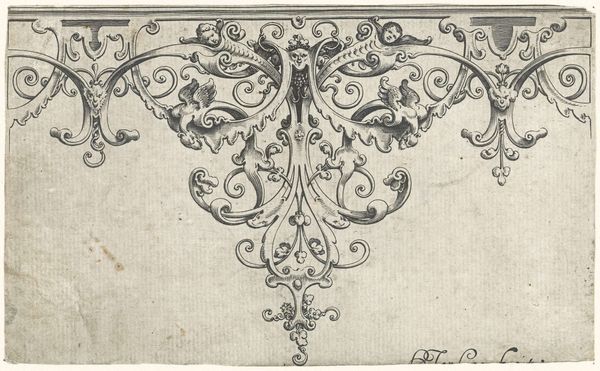
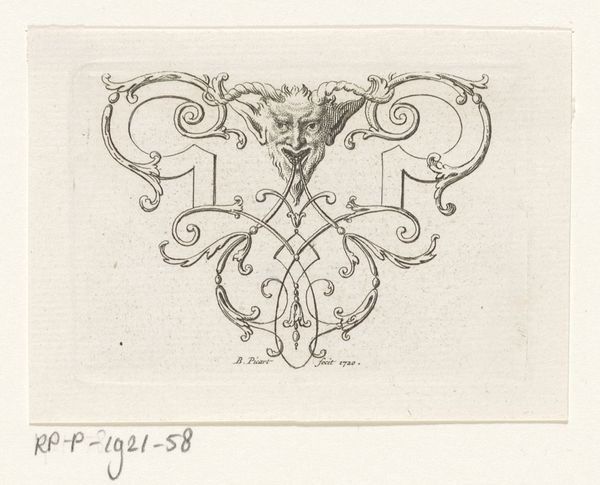
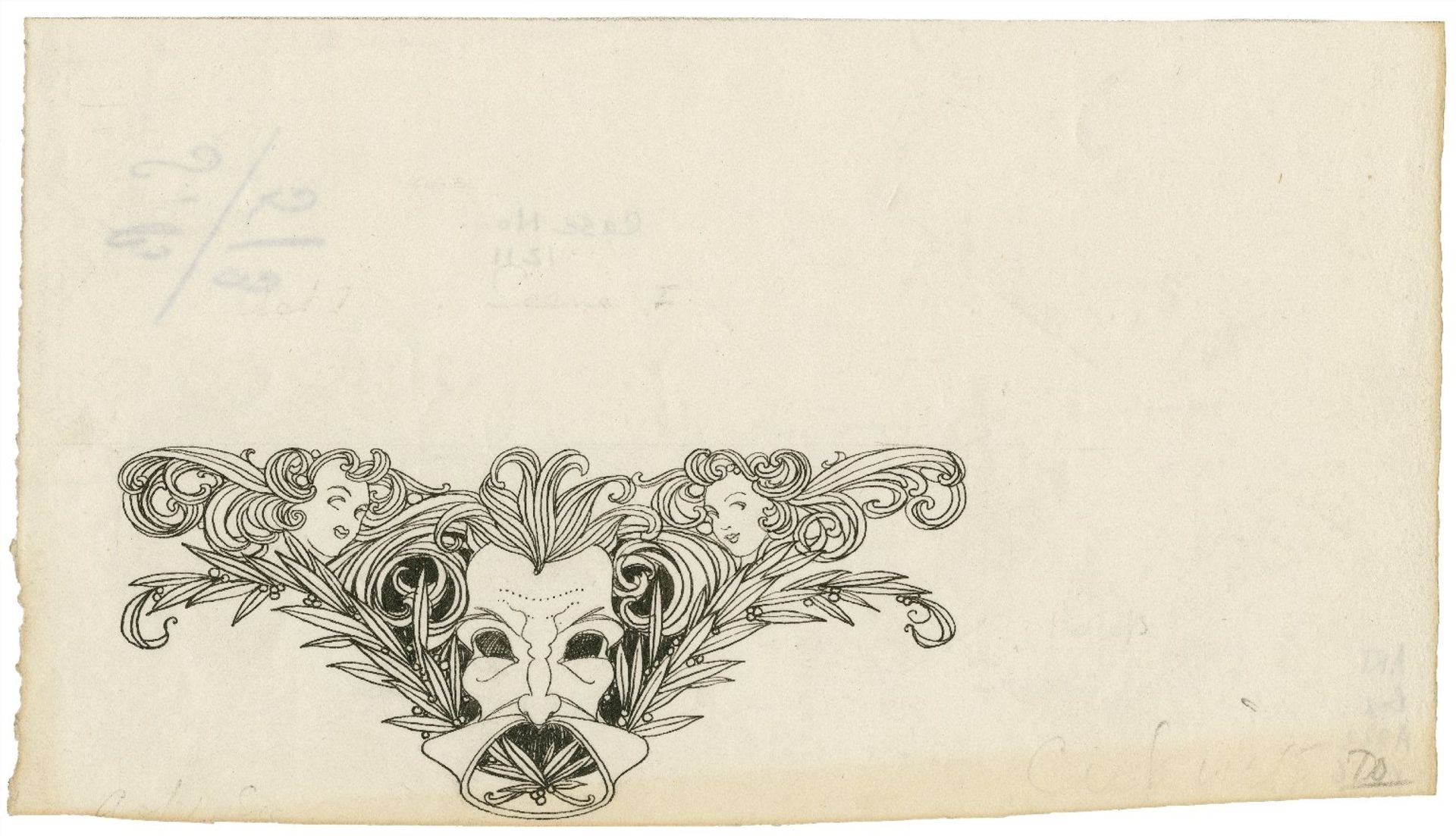
This is John Austen's drawing, Hamlet, an illustration of black ink on paper. The composition is strikingly symmetrical: a central mask flanked by two female figures, all framed by stylized foliage. The intricate linework and contrasting dark and light create a visual push and pull, almost a sense of theatrical tension. Austen's choice of imagery invites us to consider the theatricality and role-playing inherent in Hamlet. The mask at the center, with its ambiguous expression, could be seen as a signifier of Hamlet's own internal conflict and his assumed madness. The female figures could represent Ophelia and Gertrude, two sides of a coin and two characters bound up in Hamlet’s psyche and narrative. The symmetry, however, destabilizes any clear reading. It sets up a formal structure that hints at underlying themes of duality, deception, and the blurred lines between appearance and reality. The drawing serves as a visual shorthand for the complex, multifaceted nature of the play itself. Remember, the power of art lies not in fixed meanings but in its capacity to provoke ongoing interpretation.