About this artwork
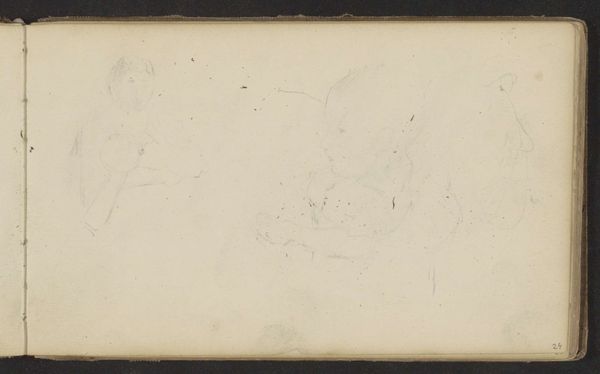
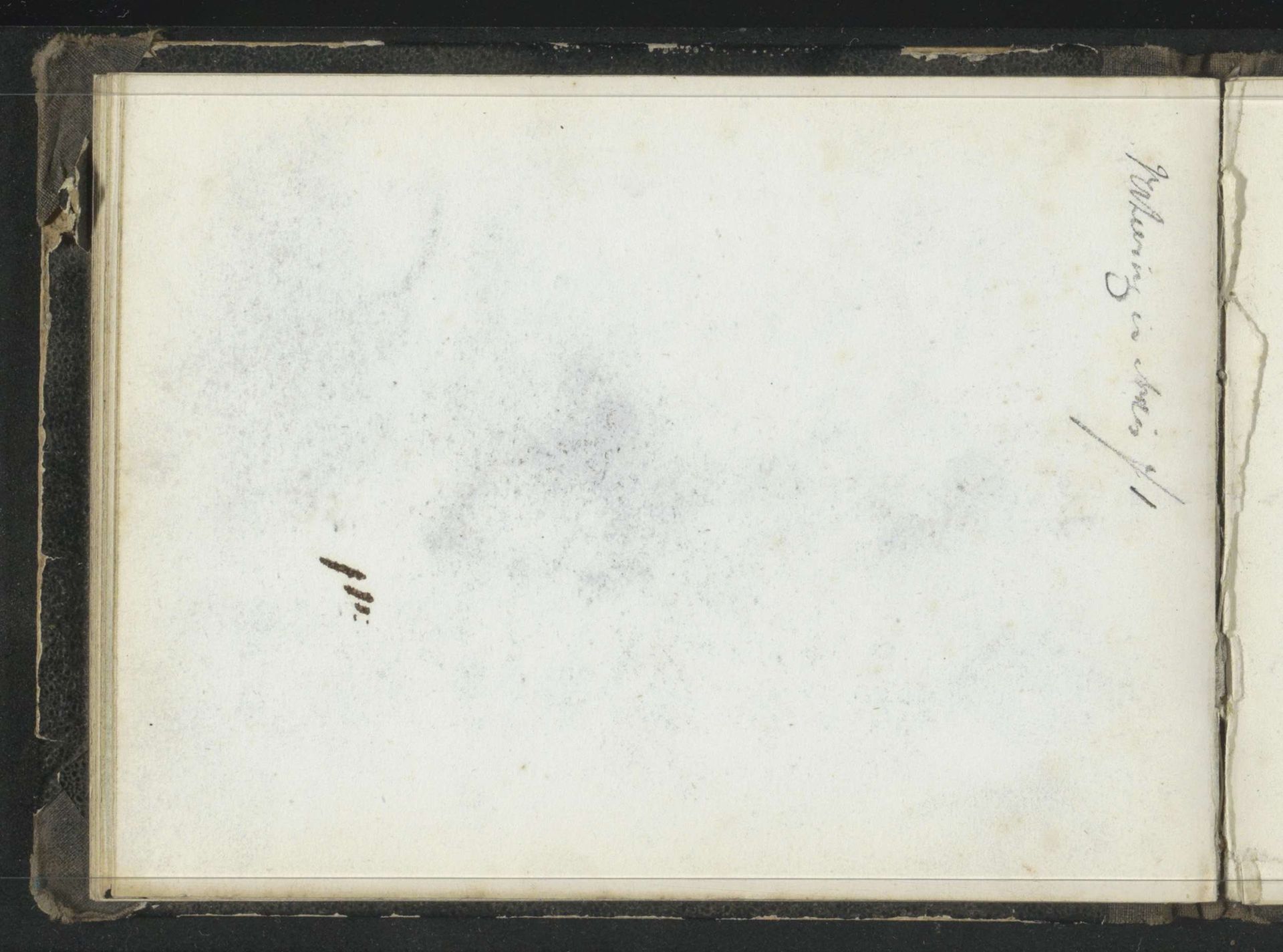
Theo Hanrath made this note with graphite on paper sometime before his death in 1883. Paper, often overlooked, is itself a fascinating material, born from humble origins yet capable of carrying profound ideas. Here, we see the artist using it as a repository for fleeting thoughts, a sketchpad for the mind. The graphite, another seemingly simple material, allows for a range of marks, from delicate whispers to bold statements. The artist's hand, guided by intention, coaxes form and meaning from these materials. Consider the labor involved, from the harvesting of raw materials to the skilled craftsmanship required to produce both paper and pencil. This "Notitie" serves as a reminder that even the most unassuming materials can become vehicles for artistic expression, and that understanding the materials and processes behind a work of art allows us to appreciate its deeper significance. It challenges the perceived hierarchies within art, reminding us of the value inherent in everyday creativity.

Artwork details
- Medium
- drawing, coloured-pencil, paper, ink
- Copyright
- Rijks Museum: Open Domain
Tags
portrait
drawing
coloured-pencil
self-portrait
impressionism
paper
ink
coloured pencil
watercolour illustration
watercolor
Comments
No comments
About this artwork
Theo Hanrath made this note with graphite on paper sometime before his death in 1883. Paper, often overlooked, is itself a fascinating material, born from humble origins yet capable of carrying profound ideas. Here, we see the artist using it as a repository for fleeting thoughts, a sketchpad for the mind. The graphite, another seemingly simple material, allows for a range of marks, from delicate whispers to bold statements. The artist's hand, guided by intention, coaxes form and meaning from these materials. Consider the labor involved, from the harvesting of raw materials to the skilled craftsmanship required to produce both paper and pencil. This "Notitie" serves as a reminder that even the most unassuming materials can become vehicles for artistic expression, and that understanding the materials and processes behind a work of art allows us to appreciate its deeper significance. It challenges the perceived hierarchies within art, reminding us of the value inherent in everyday creativity.
Comments
No comments