n.d.
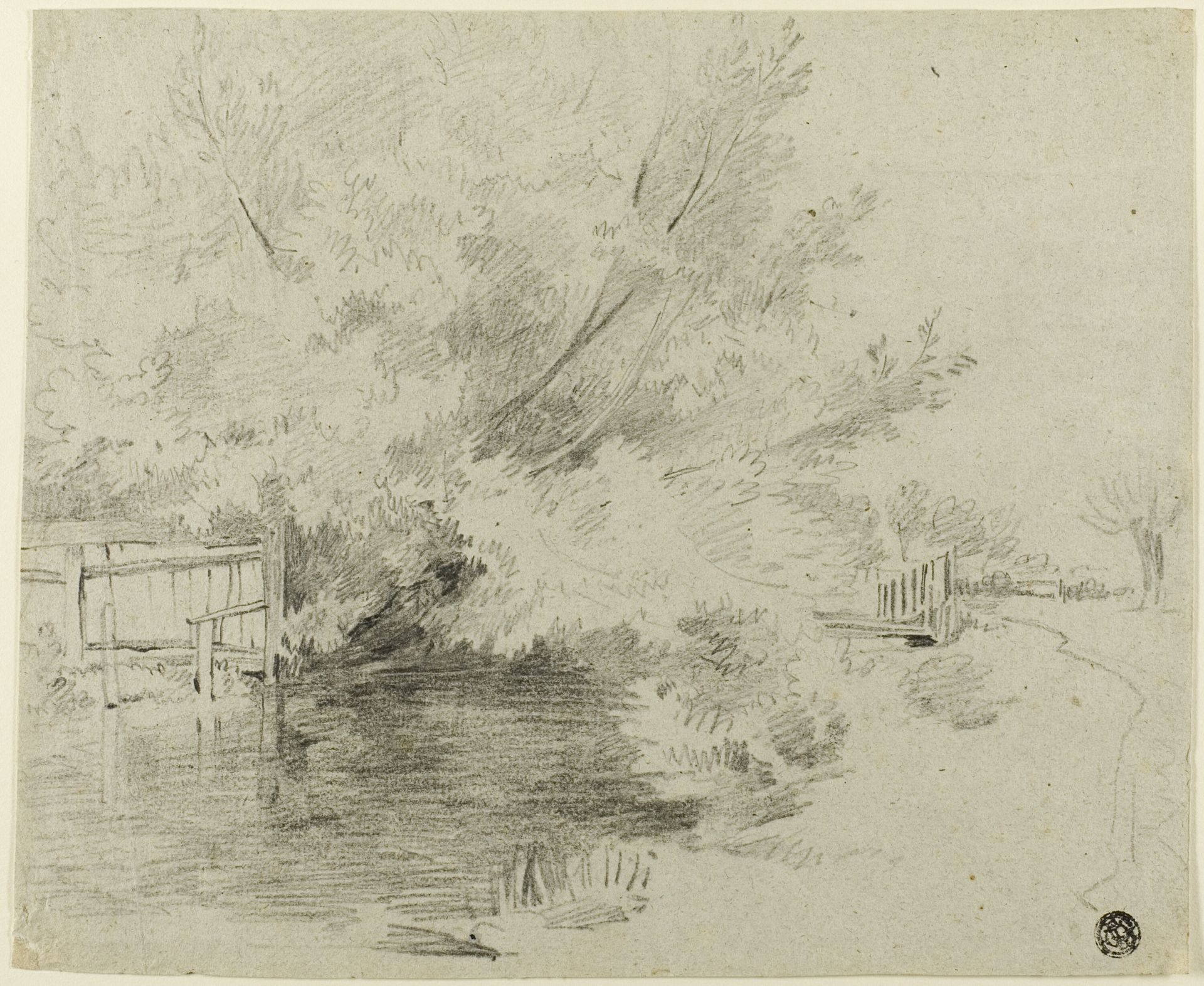
On the Mole


Listen to curator's interpretation
Curatorial notes
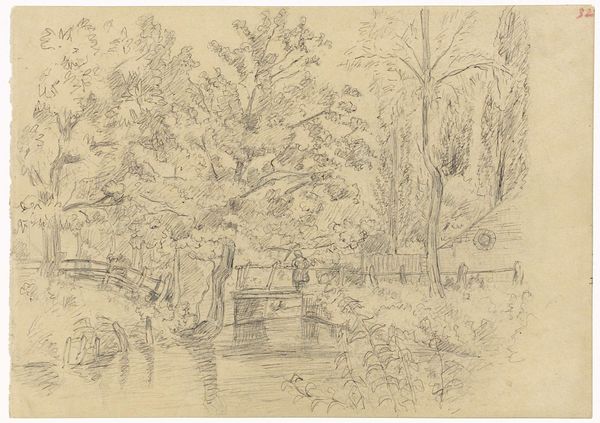
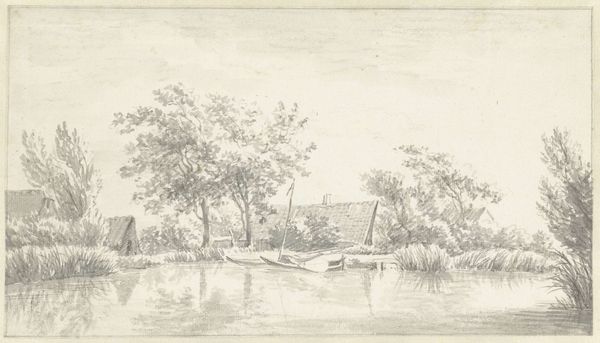
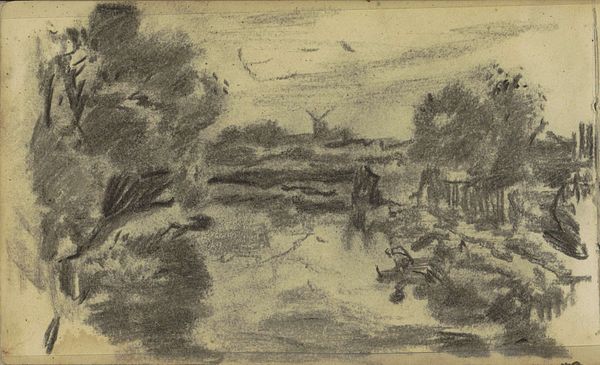
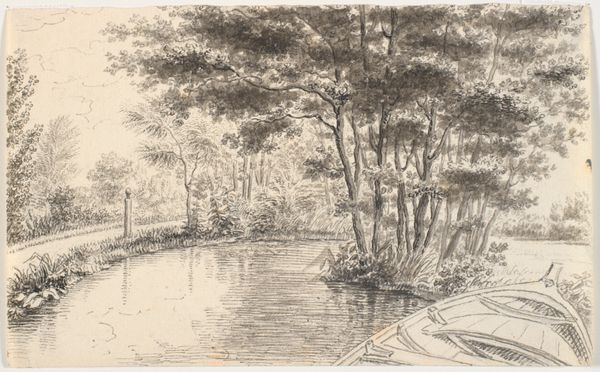
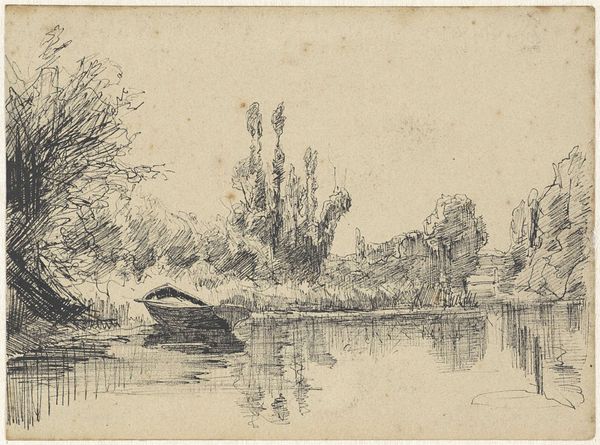
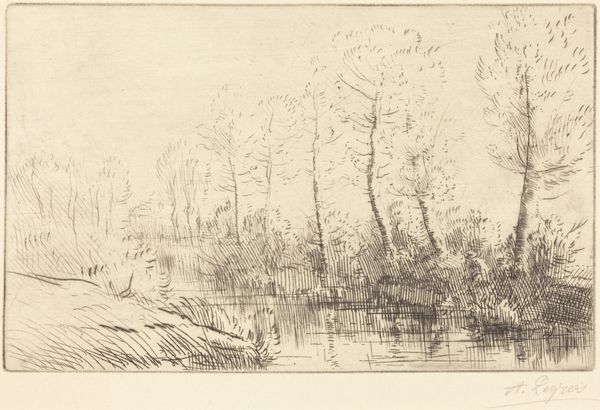
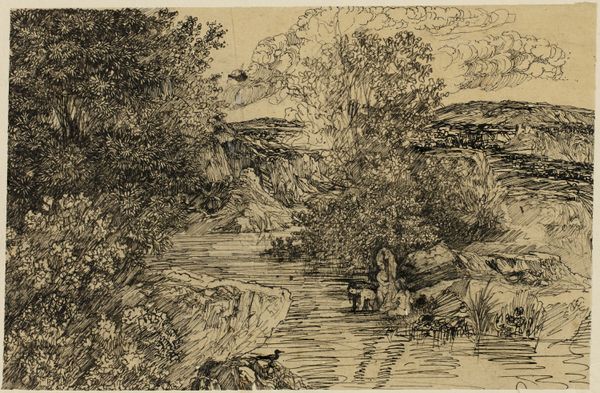
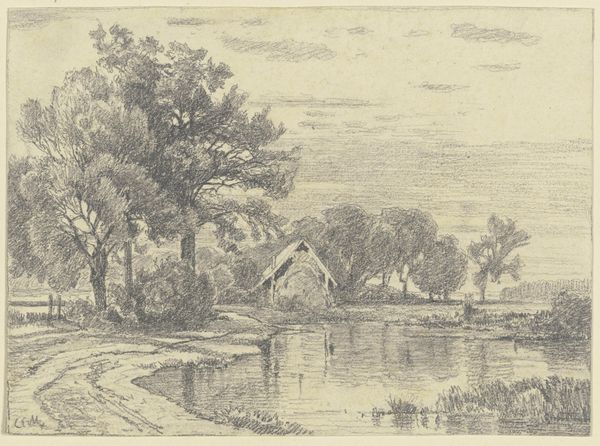
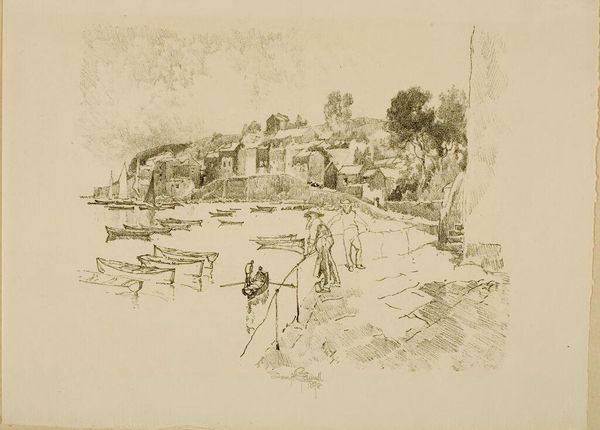
Editor: We’re looking at “On the Mole,” an undated pencil drawing on paper by William Henry Hunt, currently at the Art Institute of Chicago. The muted tones and delicate lines give it a peaceful, almost dreamlike quality. What’s your perspective on it? Curator: Considering its likely period, I view this drawing within the rise of landscape painting's popularity and the growing artistic appreciation for the common environment. Note how Hunt's choice to depict a seemingly ordinary scene, rather than a grand historical event or an idealized landscape, reflects a broader cultural shift. How do you think its accessibility affected its reception? Editor: I imagine it resonated with people who sought beauty in everyday life, right? Curator: Precisely. Also consider the political undercurrents: the focus on the land itself, rather than aristocratic estates, might symbolize emerging ideas of national identity tied to the soil. Notice the carefully sketched details; the light on the water, the textured foliage... it’s more than just a sketch, it's about observing and appreciating a certain kind of localized imagery. Does this emphasis change how you initially interpreted it? Editor: It makes me see it as less generic and more a specific statement about place. Something of a quietly political act? Curator: Perhaps. By focusing our attention on seemingly insignificant locations, Hunt invites us to reconsider their role in our understanding of society and even national identity. Editor: I hadn't considered the connection between landscape art and social commentary before. Thanks! Curator: My pleasure! Thinking about art in this historical and social context is vital to understand the narrative being produced through it.