1610 - 1612
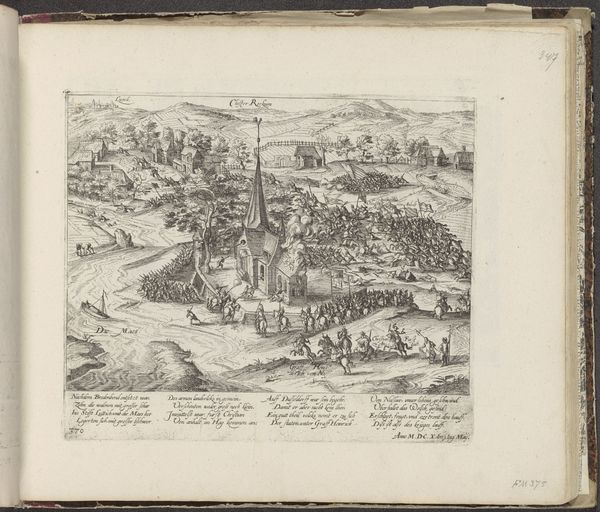
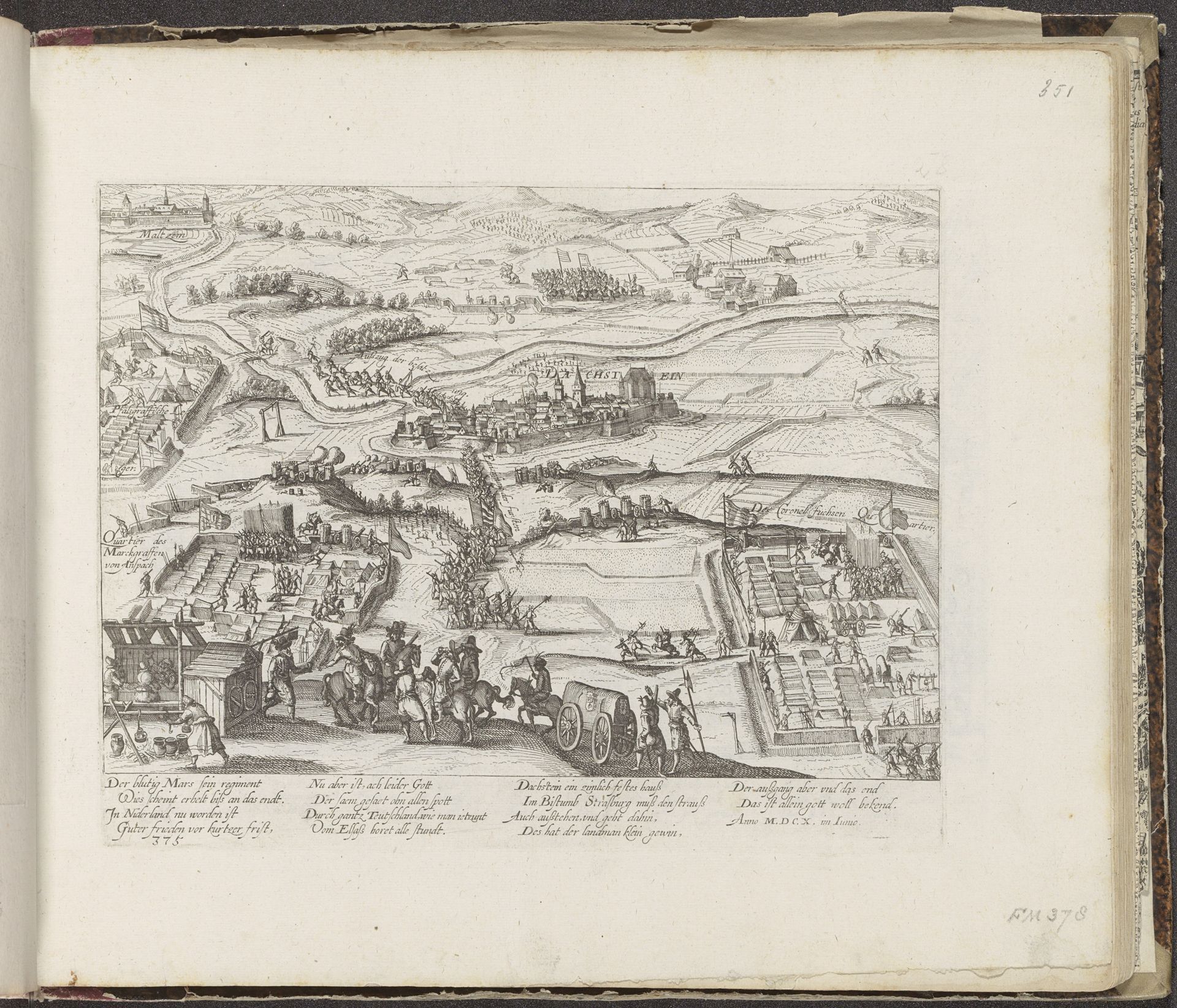
Beleg van Dachstein in de Elzas, 1610

Frans Hogenberg
1540 - 1590Location
RijksmuseumListen to curator's interpretation
Curatorial notes
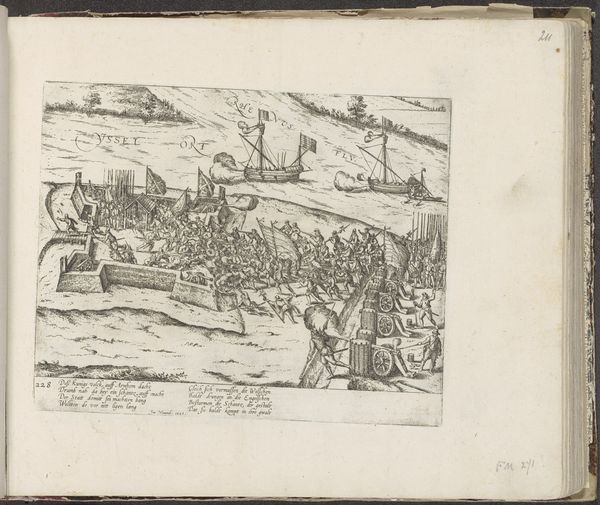
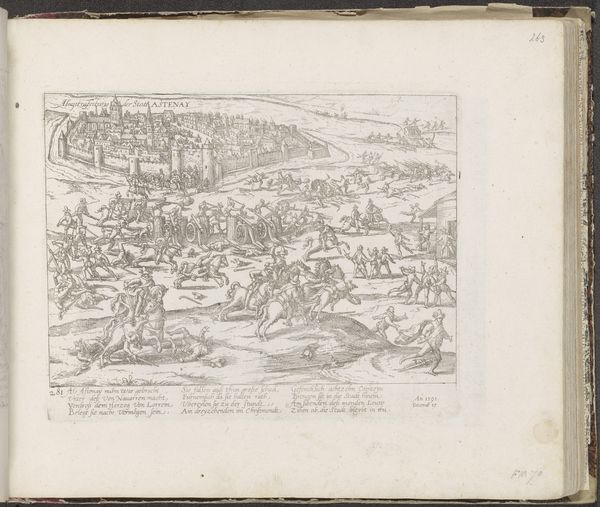
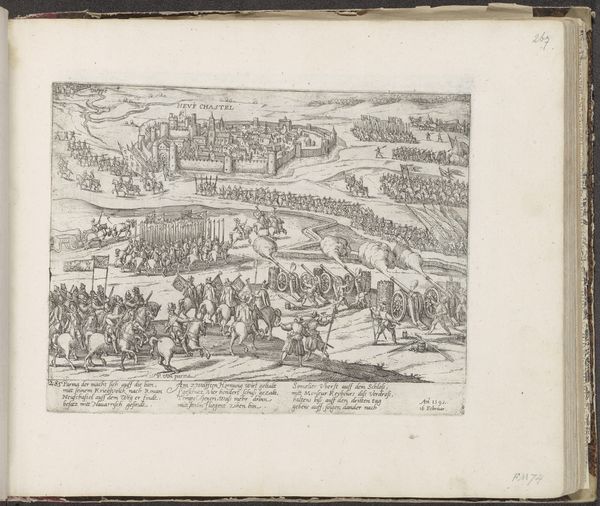
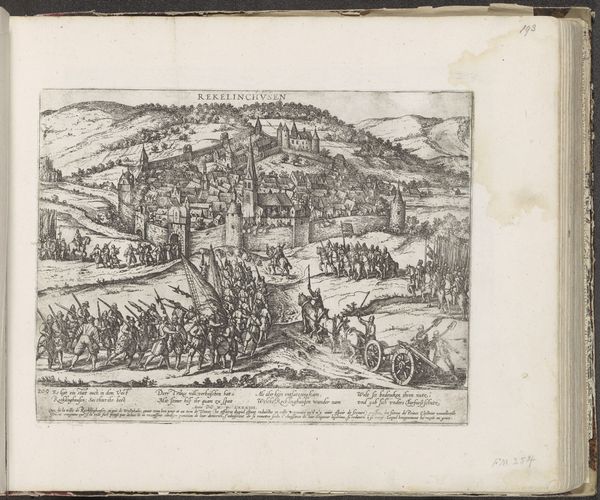
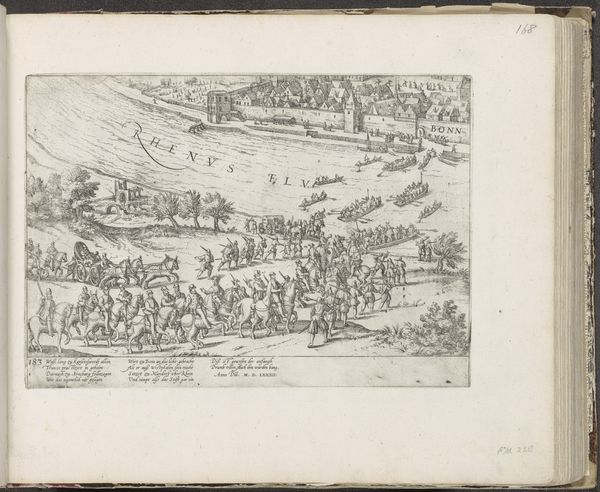
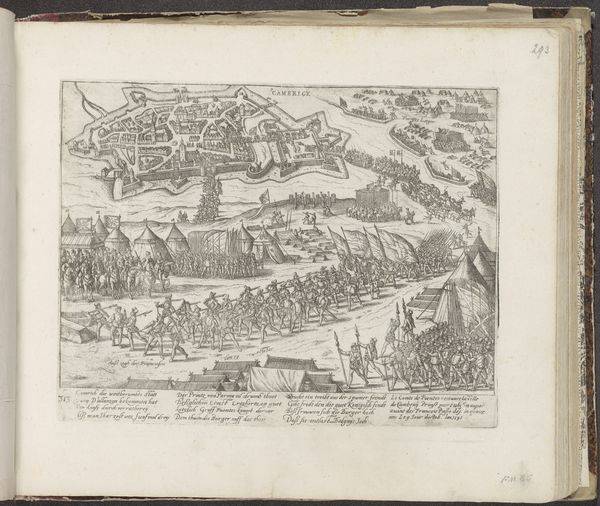
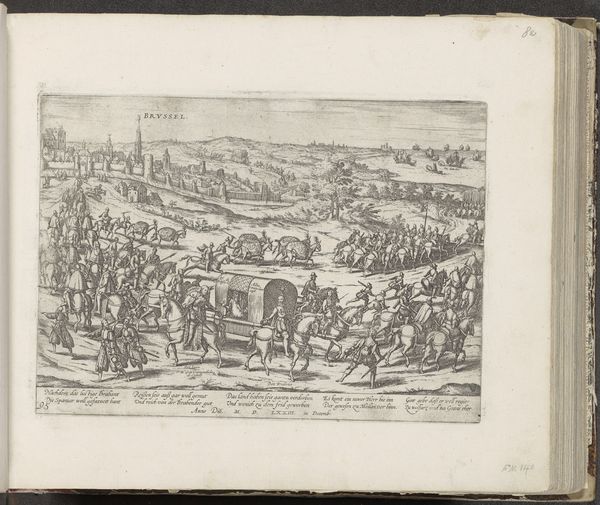
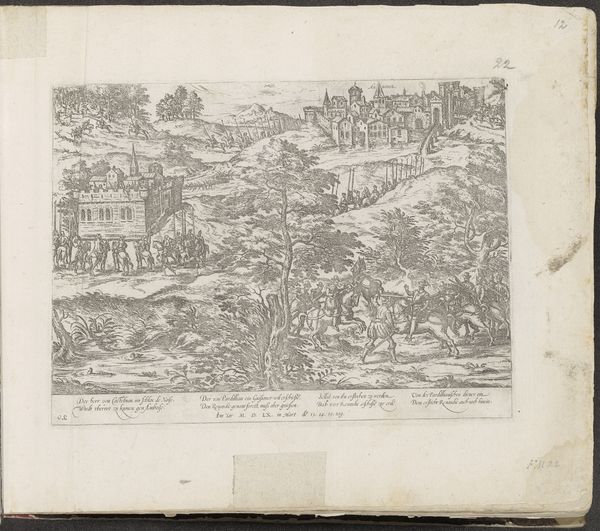
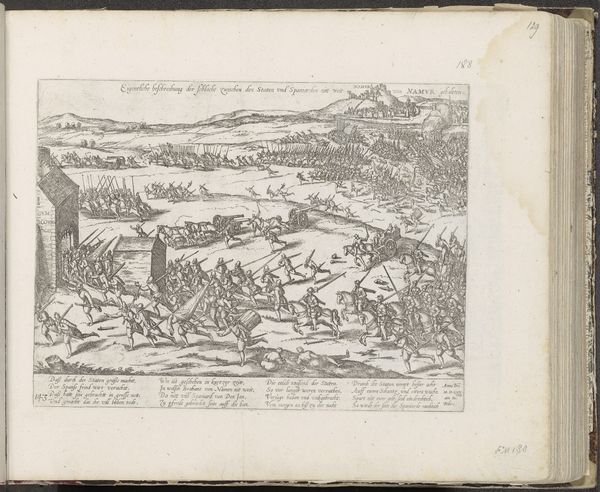
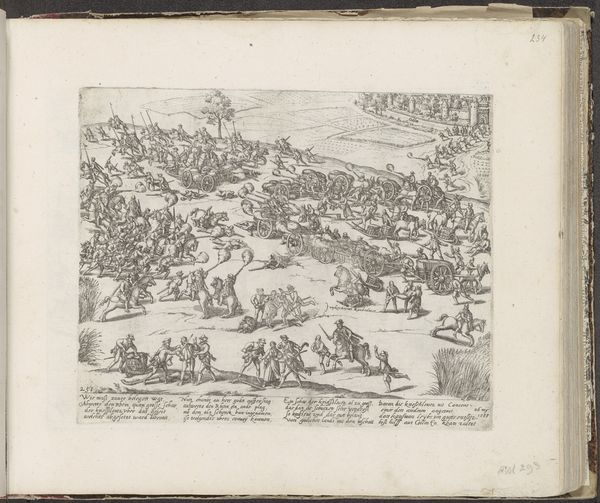
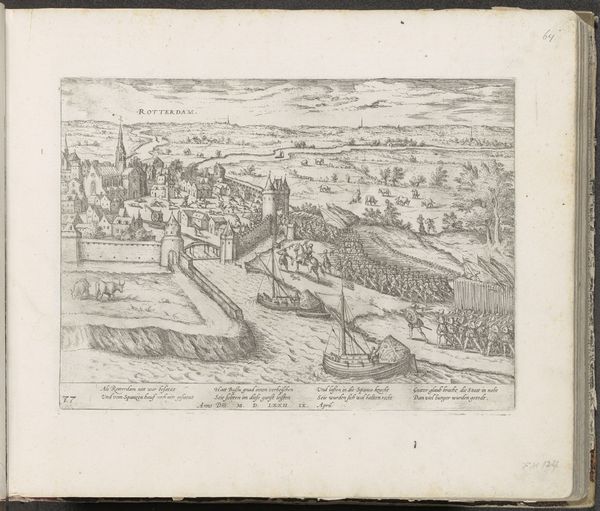
Frans Hogenberg created this print of the Siege of Dachstein in Alsace around 1610, using etching and engraving on paper. These printmaking techniques were crucial in disseminating information, essentially acting as early forms of mass media. Look closely, and you can see how the linear precision of the engraved lines allows for incredible detail. Consider how this painstaking process contrasts with the chaotic scene it depicts, of armies in conflict. Hogenberg utilized established skills that developed through generations of craftsmanship. The print has cultural significance as a historical record, and reflects the political and social context of its time. Its mode of production is intimately tied to the burgeoning print culture of early modern Europe. This allowed for the broad circulation of news and propaganda, deeply influencing public opinion and political discourse. The print is not just an artwork; it's a testament to the power of reproducible media in shaping history.