About this artwork
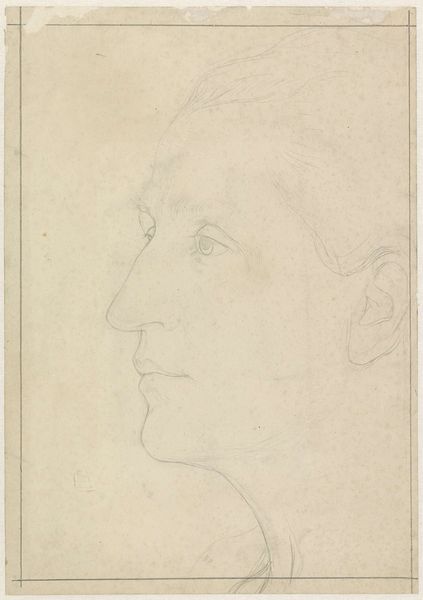
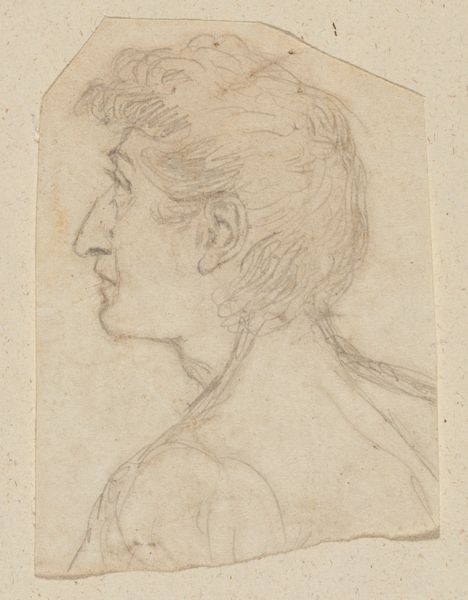
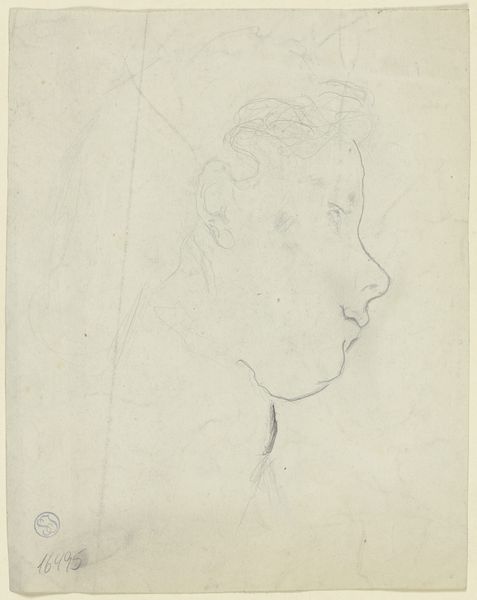
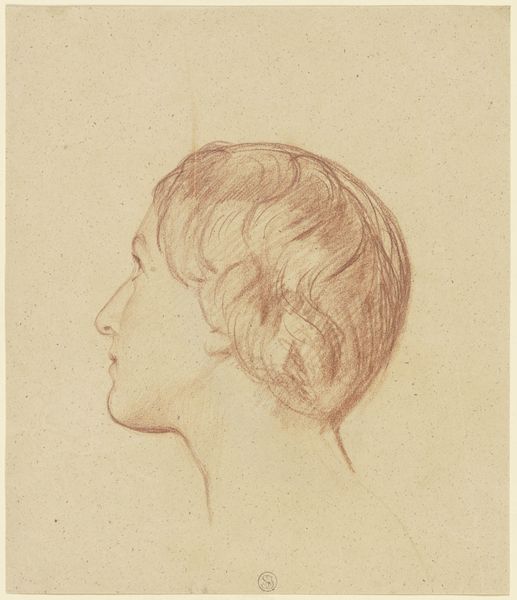
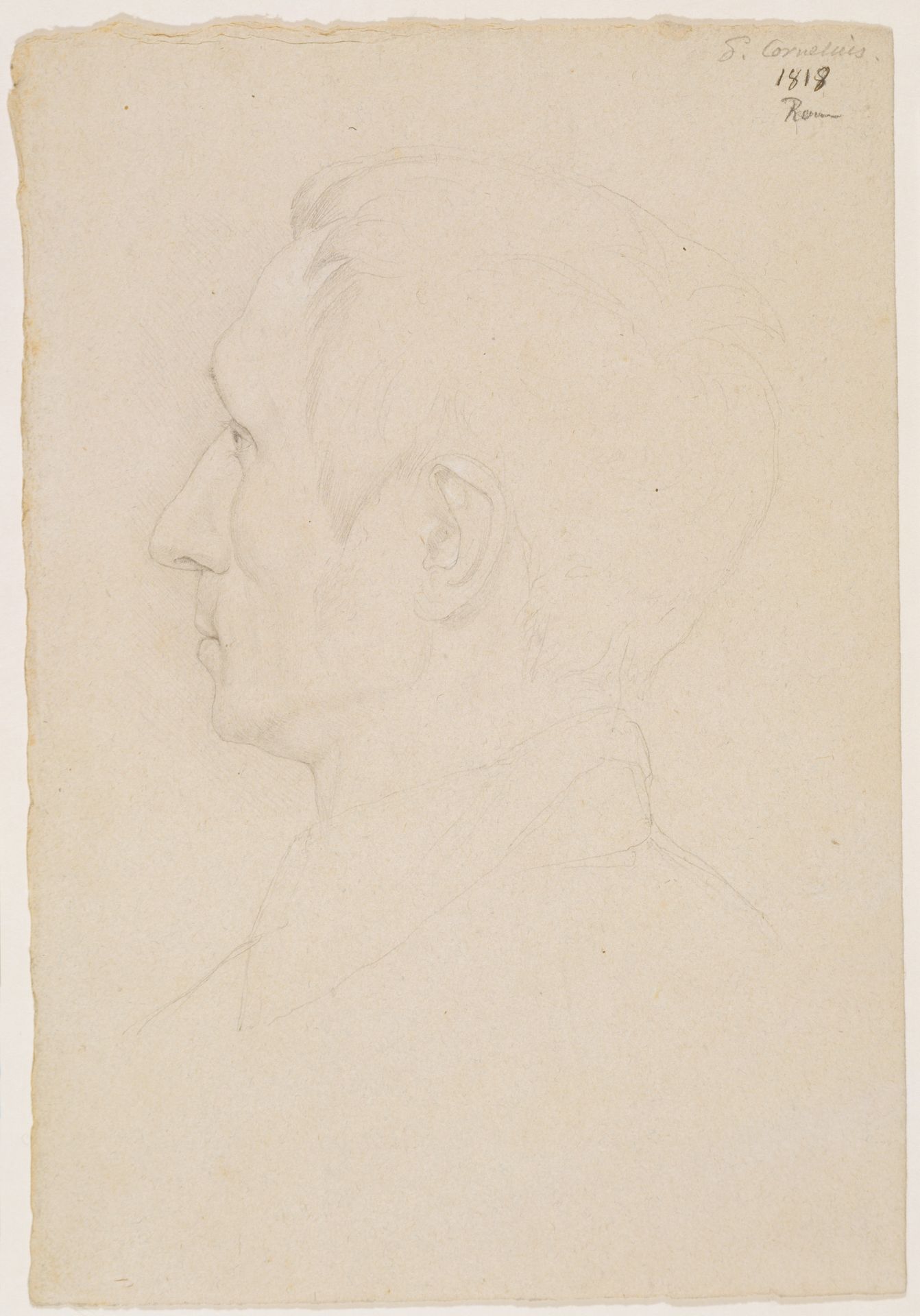
This is Theodor Rehbenitz's pencil drawing, depicting Peter Cornelius in profile. The profile, an ancient mode of representation, hearkens back to Roman portraiture, where the sharp outline of the nose and forehead served to immortalize the individual with an air of stoic dignity. The profile is interesting because it simplifies the human form to its most basic outline, almost reducing the individual to a symbol. We can look to ancient coins and medallions where profiles were used to denote power and authority, repeated through history. Yet here, Cornelius's profile carries a softer, more introspective quality, the delicate pencil strokes hinting at the inner life and intellectual pursuits of the man. It’s as if Rehbenitz taps into the collective memory of the profile as a symbol of enduring presence. This simple yet evocative image reminds us that the past is never truly gone; it lives on in the visual language we inherit and transform.


Artwork details
- Medium
- drawing, pencil
- Location
- Städel Museum
- Copyright
- Public Domain
Tags
portrait
drawing
neoclacissism
romanticism
pencil
Comments
Be the first to share your thoughts about this work.
About this artwork
This is Theodor Rehbenitz's pencil drawing, depicting Peter Cornelius in profile. The profile, an ancient mode of representation, hearkens back to Roman portraiture, where the sharp outline of the nose and forehead served to immortalize the individual with an air of stoic dignity. The profile is interesting because it simplifies the human form to its most basic outline, almost reducing the individual to a symbol. We can look to ancient coins and medallions where profiles were used to denote power and authority, repeated through history. Yet here, Cornelius's profile carries a softer, more introspective quality, the delicate pencil strokes hinting at the inner life and intellectual pursuits of the man. It’s as if Rehbenitz taps into the collective memory of the profile as a symbol of enduring presence. This simple yet evocative image reminds us that the past is never truly gone; it lives on in the visual language we inherit and transform.
Comments
Be the first to share your thoughts about this work.