About this artwork
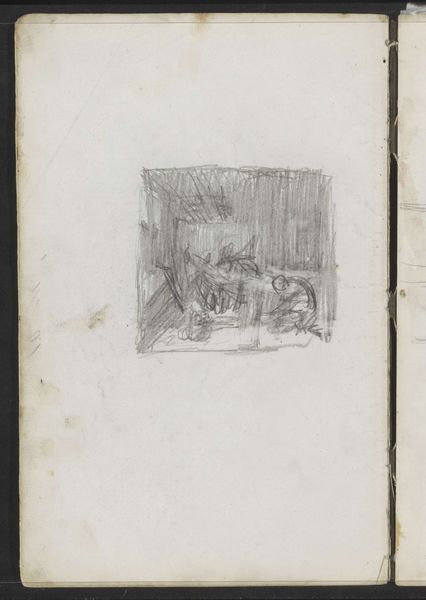
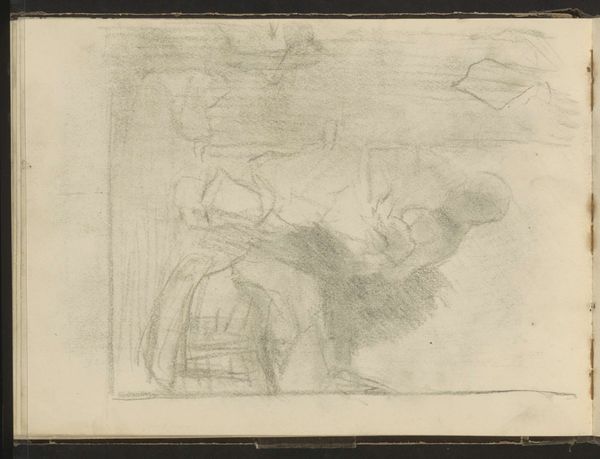
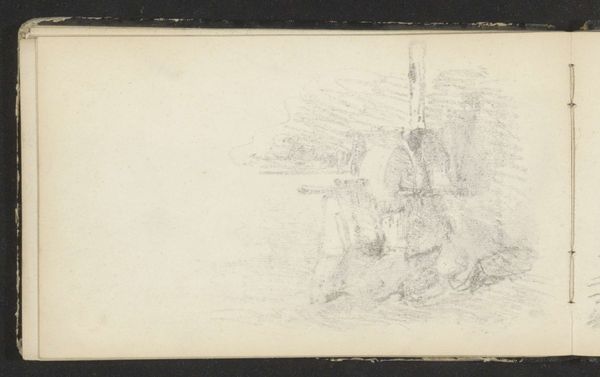
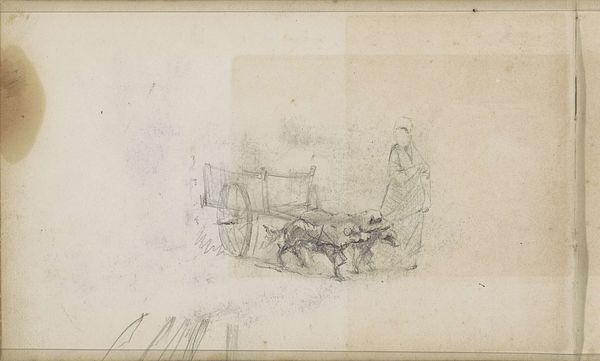
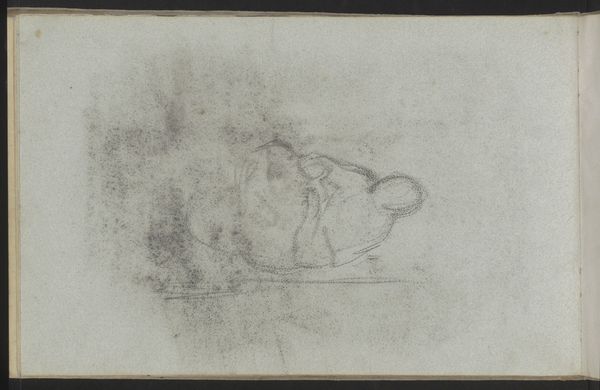
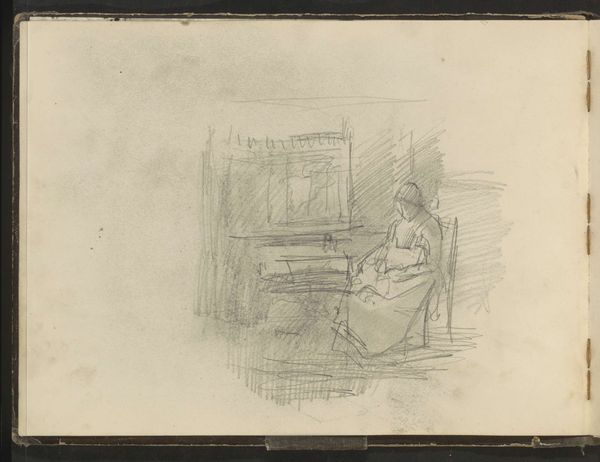
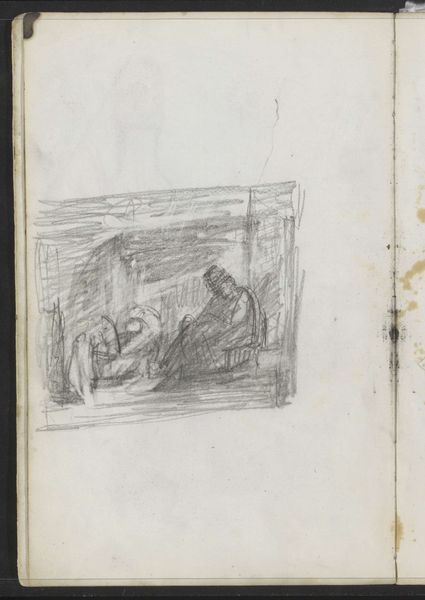
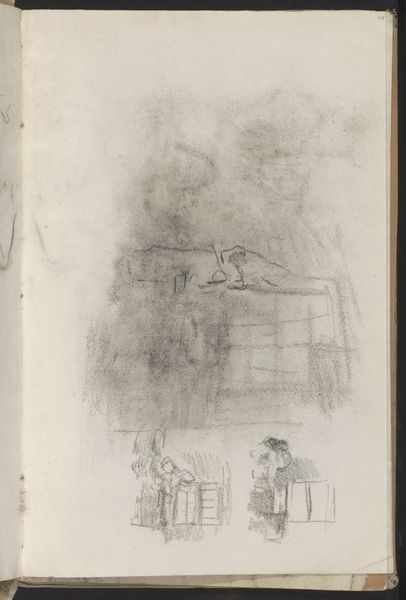
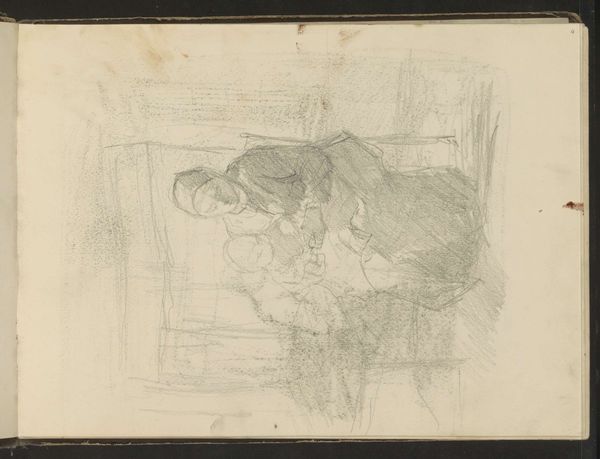
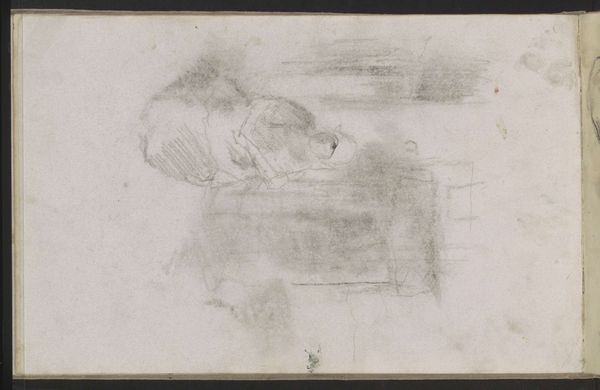
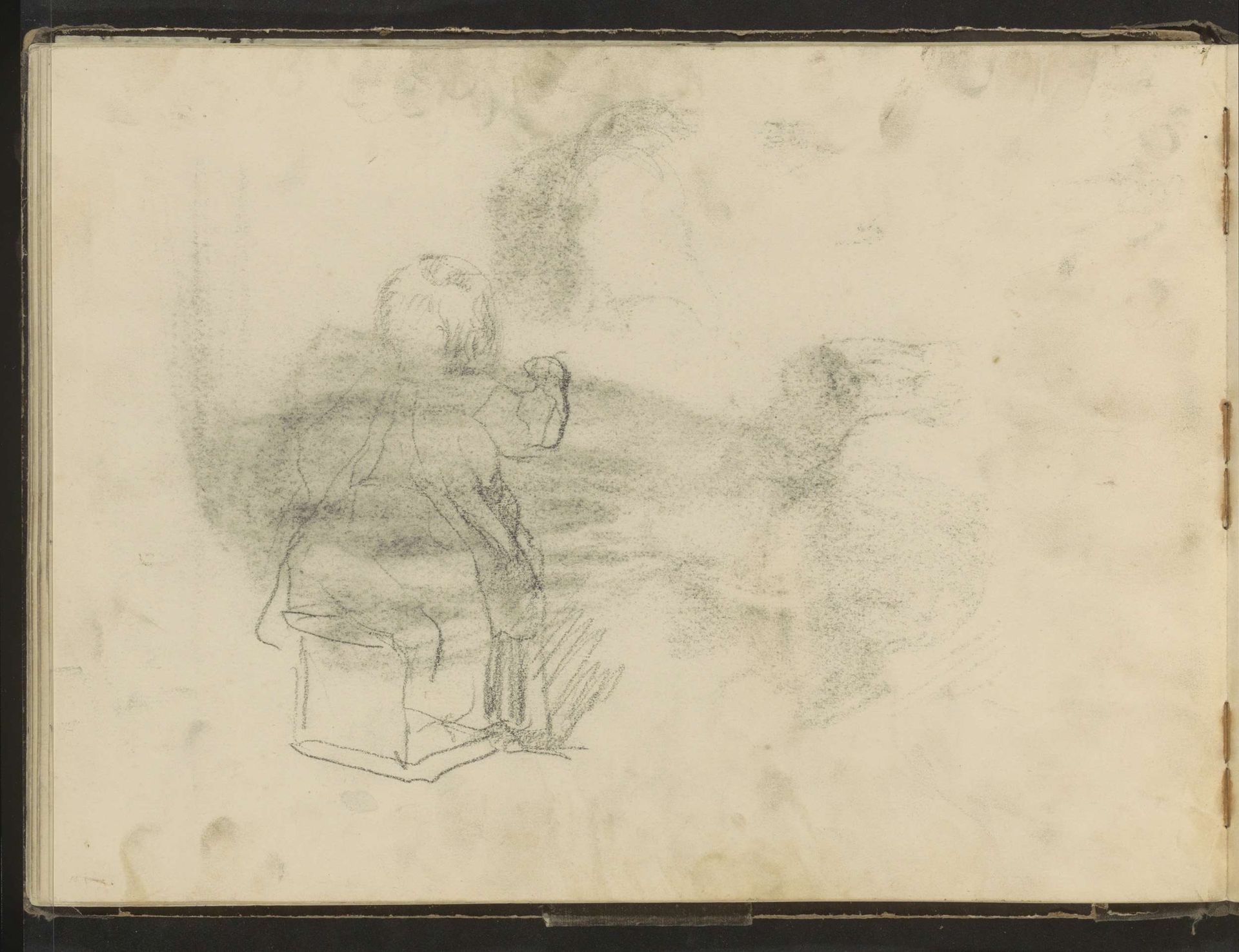
Albert Neuhuys made this sketch of a girl sitting on a stove, viewed from the back, with pencil on paper. Neuhuys belonged to the Hague School, a group of Dutch realist painters in the late 19th century. The Hague School artists often focused on scenes of everyday life, particularly in rural communities. The subject of this sketch, a girl sitting on a stove, reflects this interest. The stove was a common feature in Dutch homes, especially in poorer households. It was used for both cooking and heating, and it often served as a gathering place for families. The image suggests the daily life of a young girl, perhaps trying to keep warm during the colder months. To understand this sketch further, we can consult historical records about domestic life in the Netherlands during the late 19th century. By examining such sources, we gain insights into the social and cultural context in which Neuhuys created this piece.
Meisje zittend op een stoof, op de rug gezien
1854 - 1914

Albert Neuhuys
1844 - 1914Location
RijksmuseumArtwork details
- Medium
- drawing, paper, pencil
- Location
- Rijksmuseum
- Copyright
- Rijks Museum: Open Domain
Tags
Comments
Share your thoughts
About this artwork
Albert Neuhuys made this sketch of a girl sitting on a stove, viewed from the back, with pencil on paper. Neuhuys belonged to the Hague School, a group of Dutch realist painters in the late 19th century. The Hague School artists often focused on scenes of everyday life, particularly in rural communities. The subject of this sketch, a girl sitting on a stove, reflects this interest. The stove was a common feature in Dutch homes, especially in poorer households. It was used for both cooking and heating, and it often served as a gathering place for families. The image suggests the daily life of a young girl, perhaps trying to keep warm during the colder months. To understand this sketch further, we can consult historical records about domestic life in the Netherlands during the late 19th century. By examining such sources, we gain insights into the social and cultural context in which Neuhuys created this piece.
Comments
Share your thoughts