About this artwork
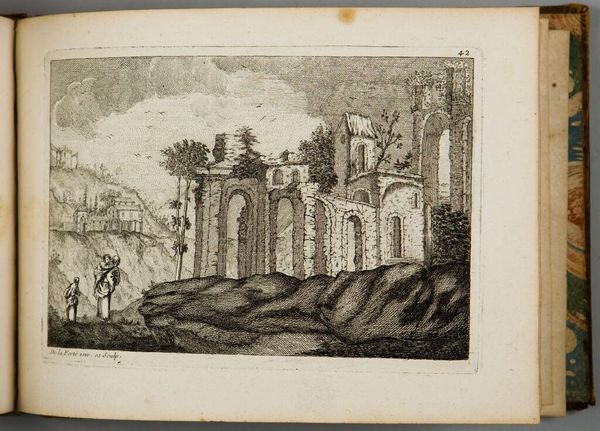
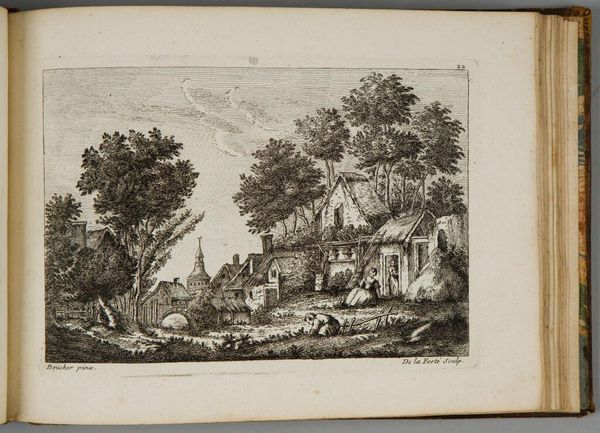
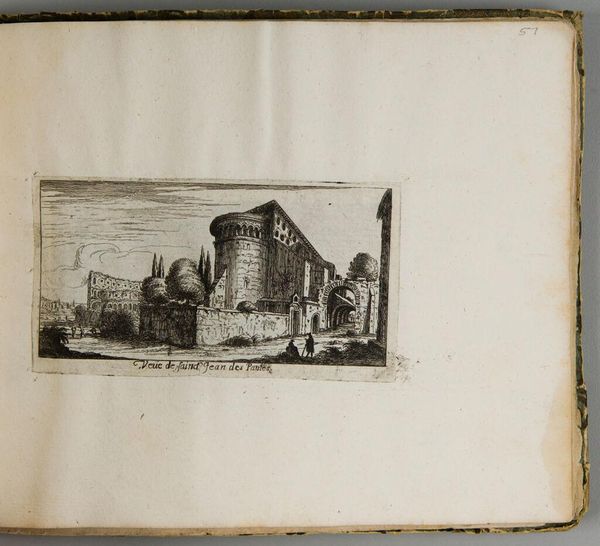
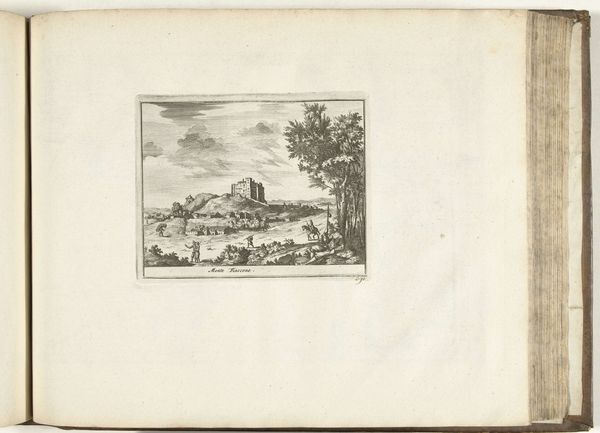
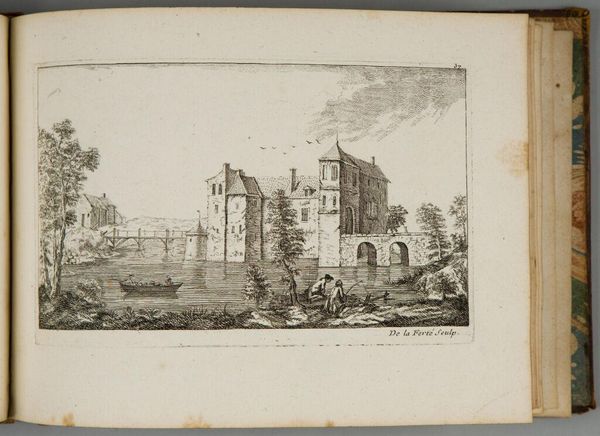
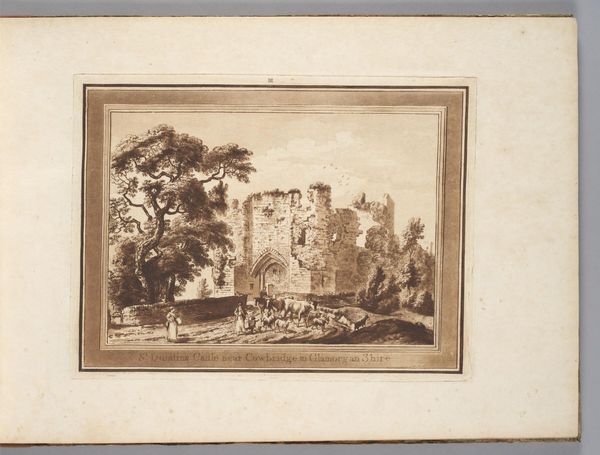
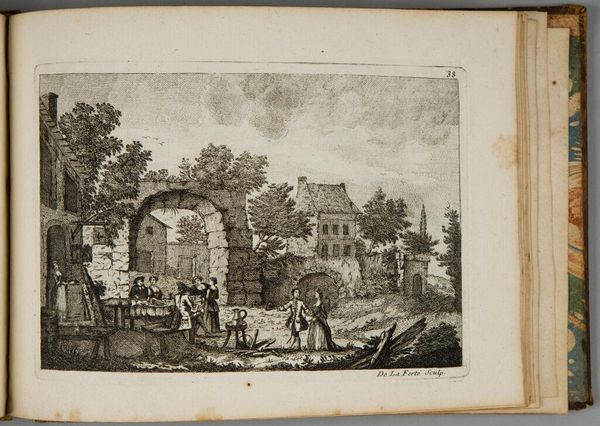
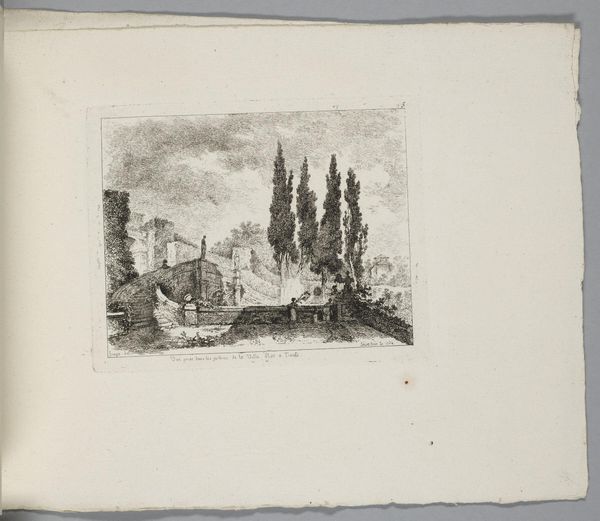
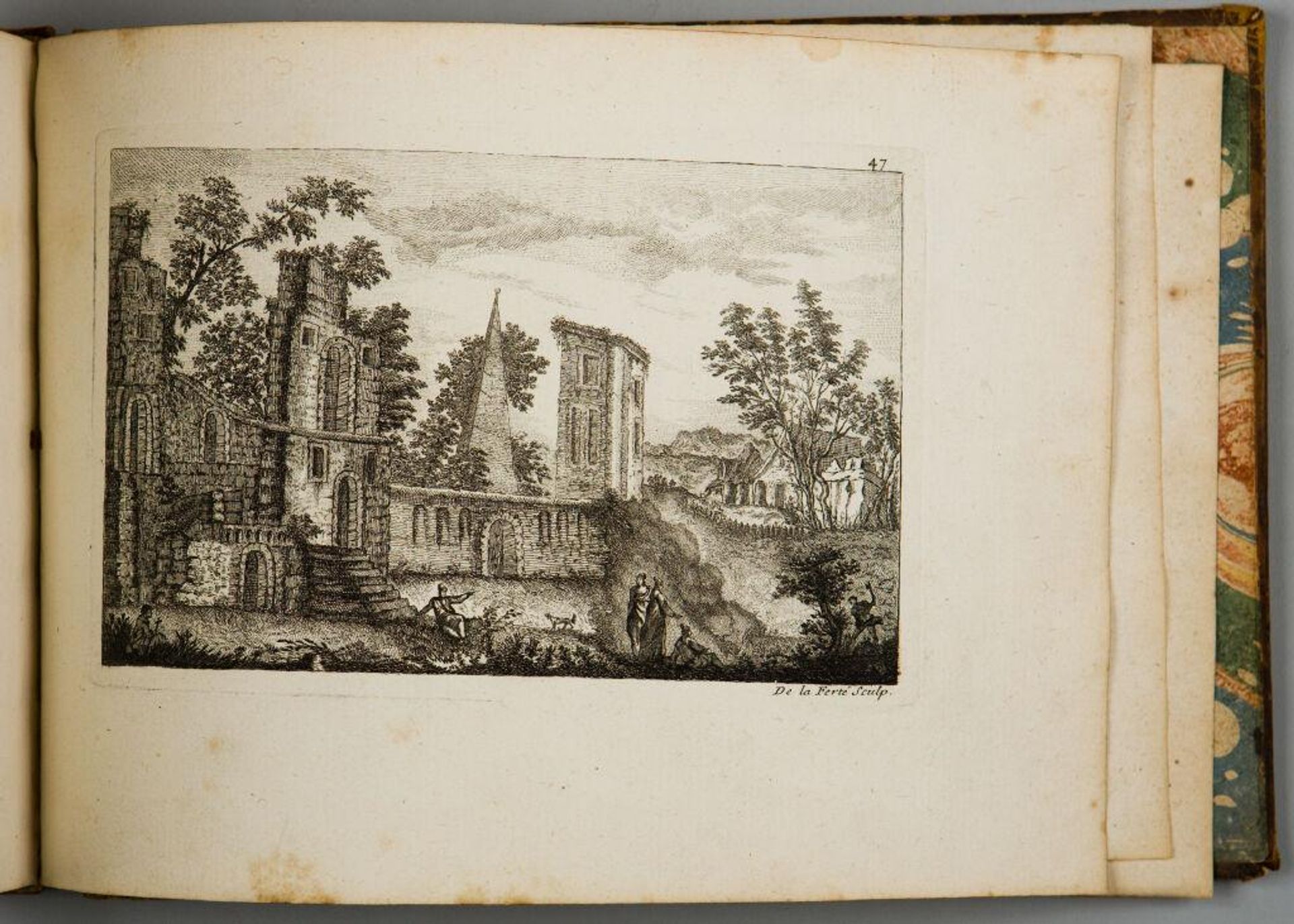
Editor: This etching is by Denis-Pierre-Jean Papillon de la Ferté, and it's called "Children and Their Dog in a Farm Courtyard." It's a rather small plate. What strikes me is the contrast between the ruined architecture and the everyday scene of the children playing. What do you see in this piece? Curator: It's fascinating how ruins become playgrounds, isn't it? Papillon de la Ferté offers us a glimpse into the normalization of decay amidst societal upheaval. Consider the privilege inherent in children using architectural remnants as a backdrop, while the history and labor embedded in those stones remain unacknowledged. Who had the luxury to play, and who was made invisible in the process? Editor: That's a powerful point. I hadn't considered the socio-economic implications of the scene. Curator: Art invites us to question not just what is depicted, but who is empowered to depict it, and whose stories are silenced.
Children and Their Dog in a Farm Courtyard
1758
Denis-Pierre-Jean Papillon de la Ferté
@denispierrejeanpapillondelaferta
Harvard Art Museums
Harvard Art MuseumsArtwork details
- Dimensions
- plate: 12 x 17.4 cm (4 3/4 x 6 7/8 in.)
- Location
- Harvard Art Museums
- Copyright
- CC0 1.0
Comments
Share your thoughts
About this artwork
Editor: This etching is by Denis-Pierre-Jean Papillon de la Ferté, and it's called "Children and Their Dog in a Farm Courtyard." It's a rather small plate. What strikes me is the contrast between the ruined architecture and the everyday scene of the children playing. What do you see in this piece? Curator: It's fascinating how ruins become playgrounds, isn't it? Papillon de la Ferté offers us a glimpse into the normalization of decay amidst societal upheaval. Consider the privilege inherent in children using architectural remnants as a backdrop, while the history and labor embedded in those stones remain unacknowledged. Who had the luxury to play, and who was made invisible in the process? Editor: That's a powerful point. I hadn't considered the socio-economic implications of the scene. Curator: Art invites us to question not just what is depicted, but who is empowered to depict it, and whose stories are silenced.
Comments
Share your thoughts