About this artwork
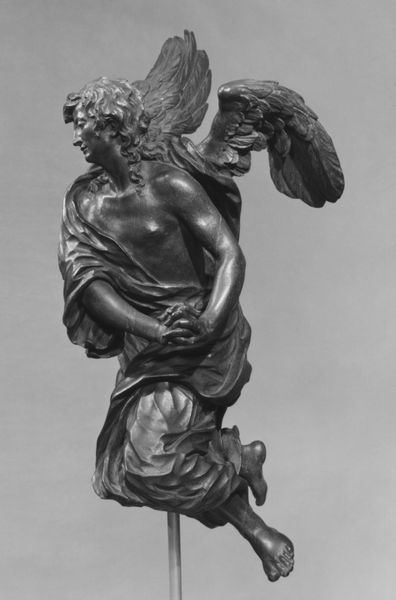
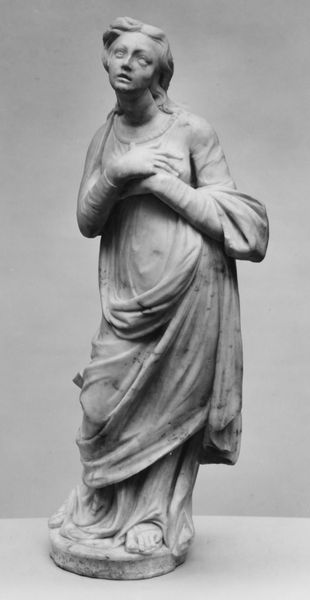
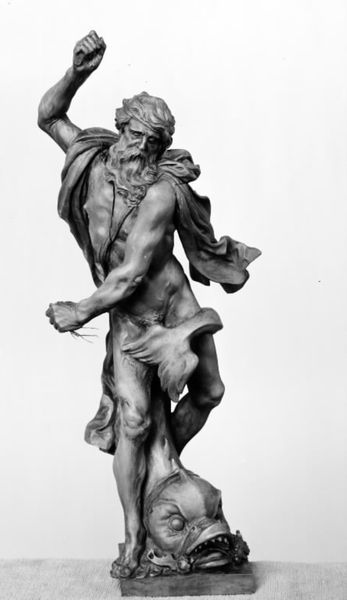
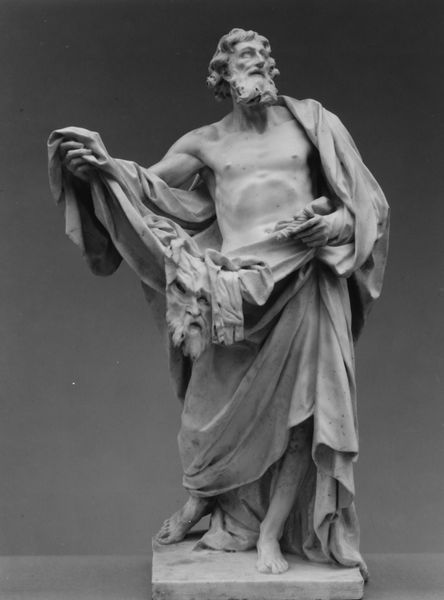
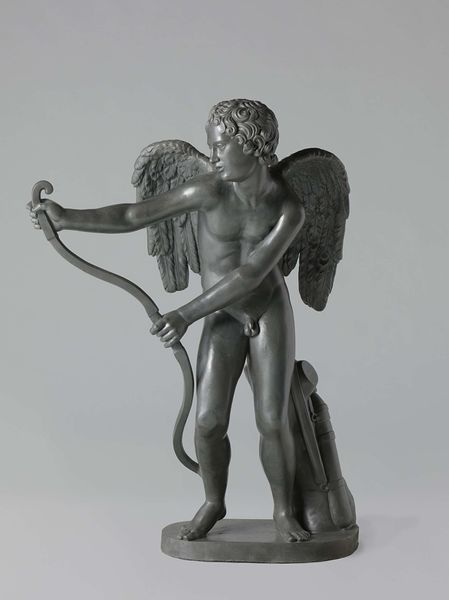
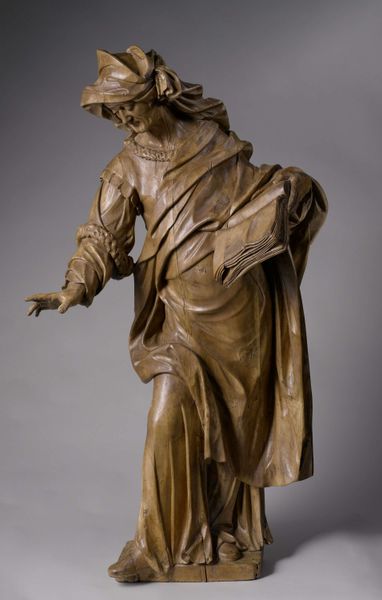
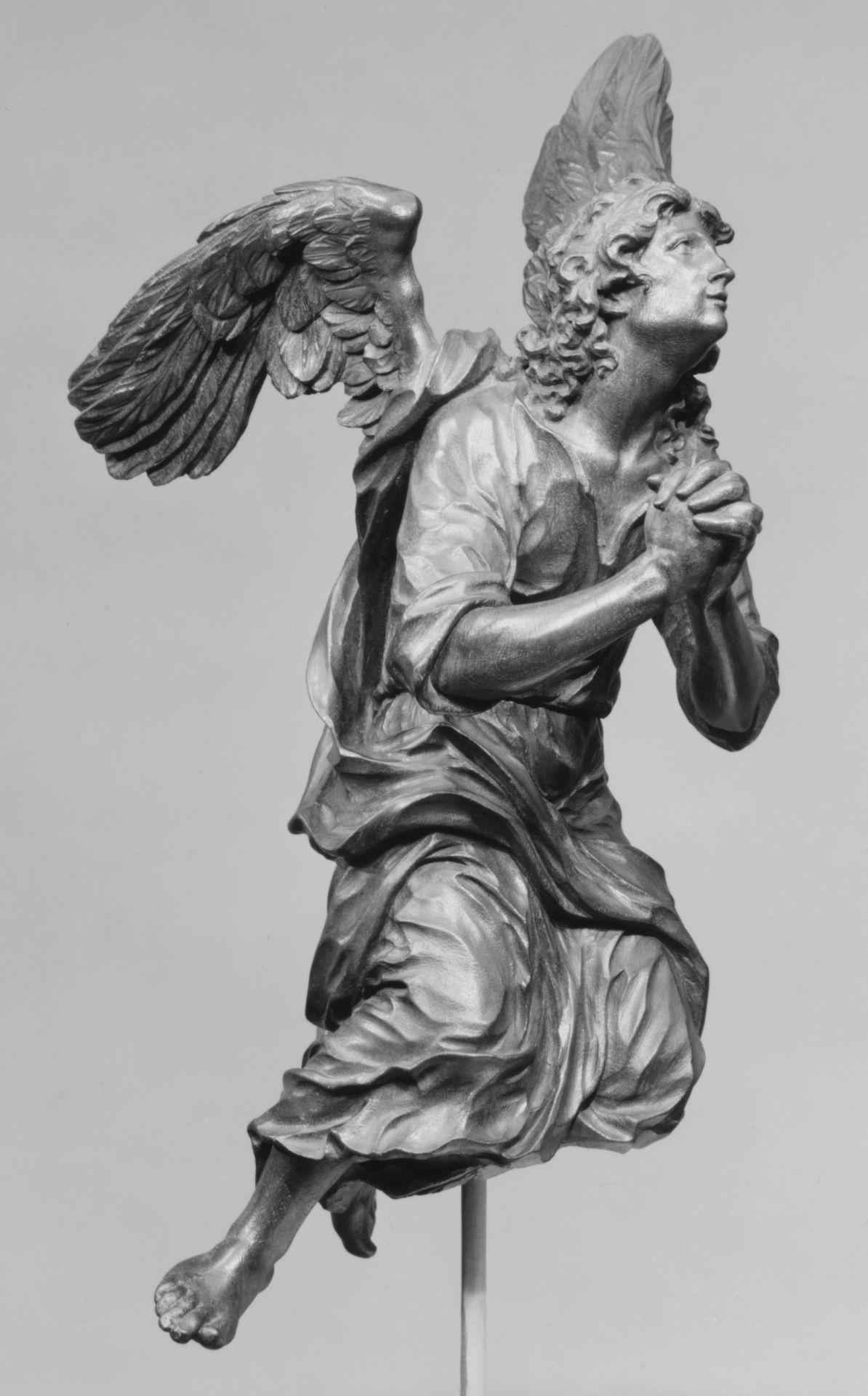
This wooden sculpture of an angel was crafted by Hendrik-Frans Verbruggen in the 17th-18th century. Here we see potent symbols – the angel, a celestial messenger, and the gesture of prayer. The act of pressing one's palms together in supplication isn’t unique to Christianity. We see similar gestures across cultures – from ancient Hindu mudras to depictions of Buddhist deities. It speaks to a universal human impulse to connect with the divine, a reaching out that transcends specific religious dogma. Even now, a politician clasping their hands tightly may signal sincerity, a subconscious echo of this ancient posture of reverence. Observe the angel's upward gaze, a timeless posture of hope. Such images serve as focal points, powerful forces engaging viewers on a subconscious level, resonating with our deepest longings and fears. The symbol of the angel, like the act of prayer itself, is not static. It resurfaces, evolves, and takes on new meanings, a testament to the enduring power of images in shaping our cultural landscape.
Angel (one of a pair) 1685 - 1715

Hendrik-Frans Verbruggen
1654 - 1724
The Metropolitan Museum of Art
Metropolitan Museum of Art, New York, NYArtwork details
- Medium
- sculpture, wood
- Dimensions
- Height: 22 in. (55.9 cm)
- Location
- Metropolitan Museum of Art, New York, NY
- Copyright
- Public Domain
Tags
baroque
sculpture
figuration
sculpture
black and white
wood
decorative-art
statue
angel
Comments
No comments
About this artwork
This wooden sculpture of an angel was crafted by Hendrik-Frans Verbruggen in the 17th-18th century. Here we see potent symbols – the angel, a celestial messenger, and the gesture of prayer. The act of pressing one's palms together in supplication isn’t unique to Christianity. We see similar gestures across cultures – from ancient Hindu mudras to depictions of Buddhist deities. It speaks to a universal human impulse to connect with the divine, a reaching out that transcends specific religious dogma. Even now, a politician clasping their hands tightly may signal sincerity, a subconscious echo of this ancient posture of reverence. Observe the angel's upward gaze, a timeless posture of hope. Such images serve as focal points, powerful forces engaging viewers on a subconscious level, resonating with our deepest longings and fears. The symbol of the angel, like the act of prayer itself, is not static. It resurfaces, evolves, and takes on new meanings, a testament to the enduring power of images in shaping our cultural landscape.
Comments
No comments