About this artwork
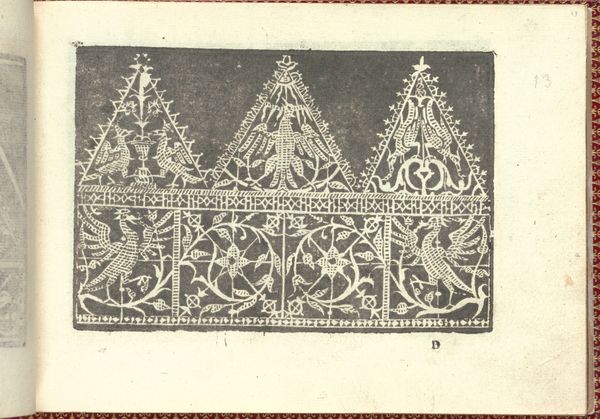
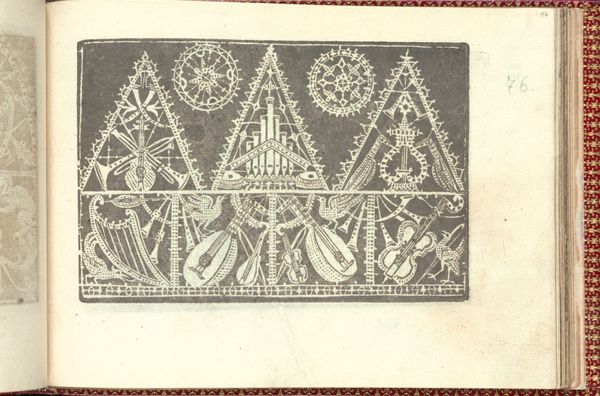
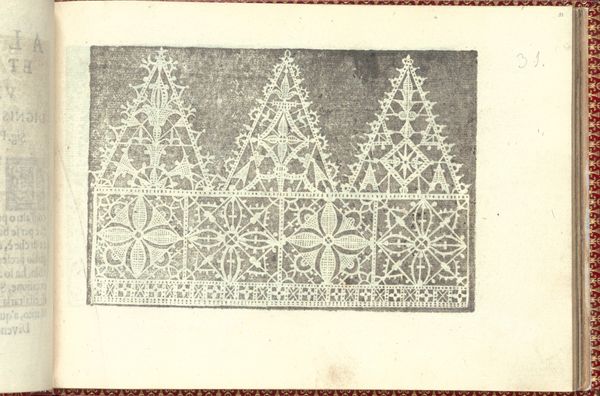
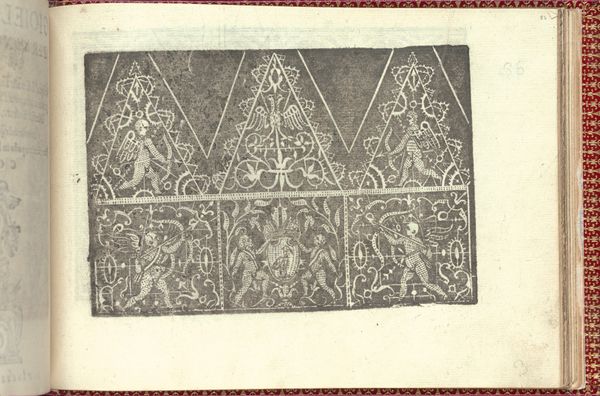
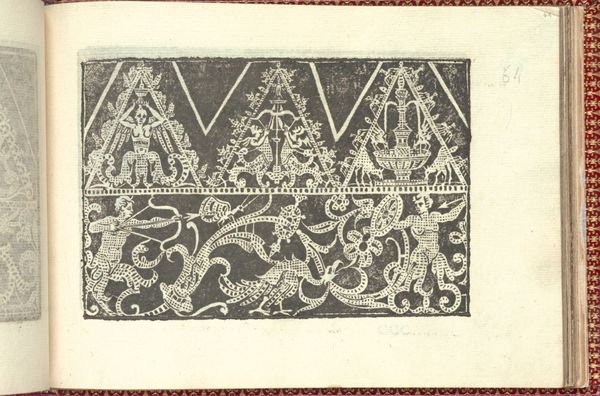
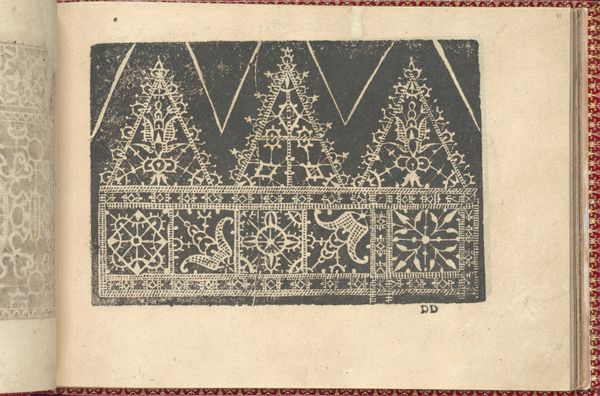
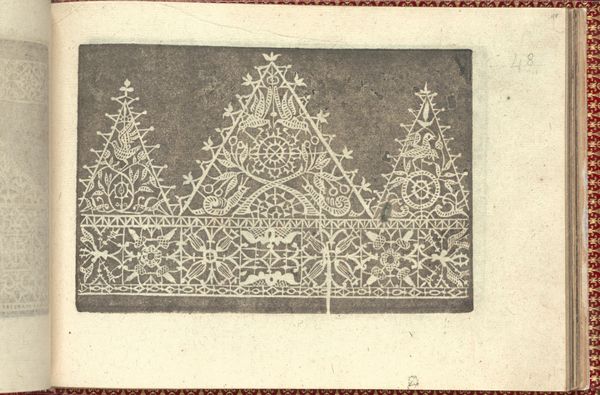
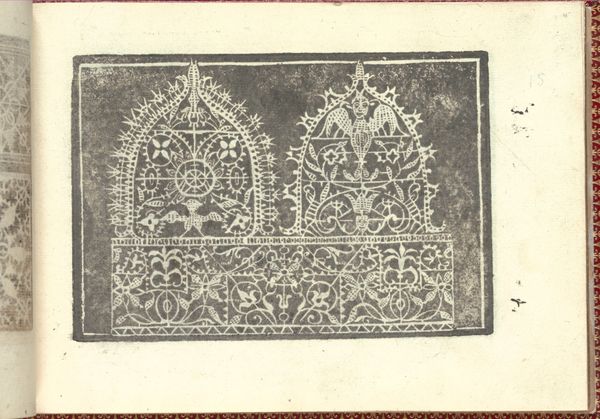
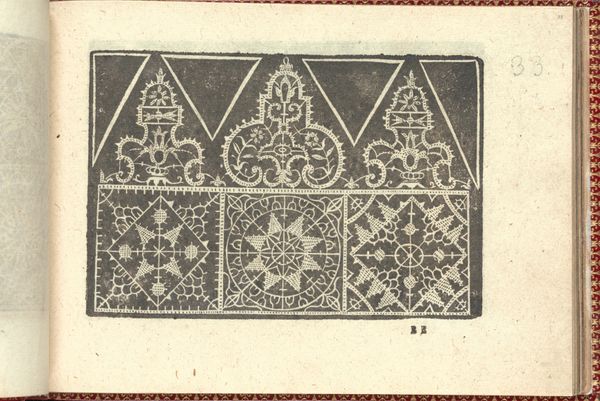
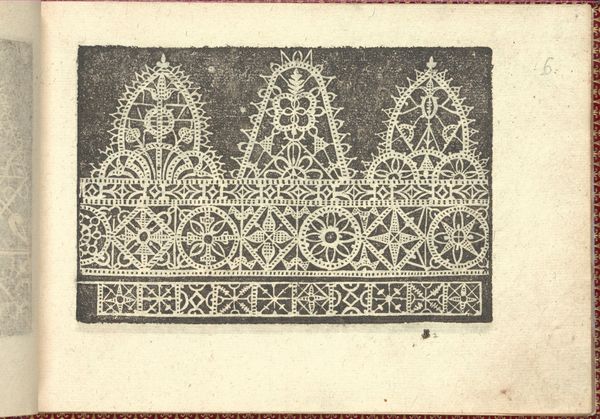
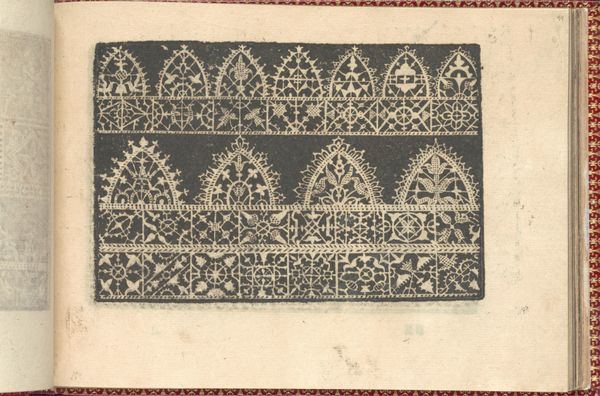
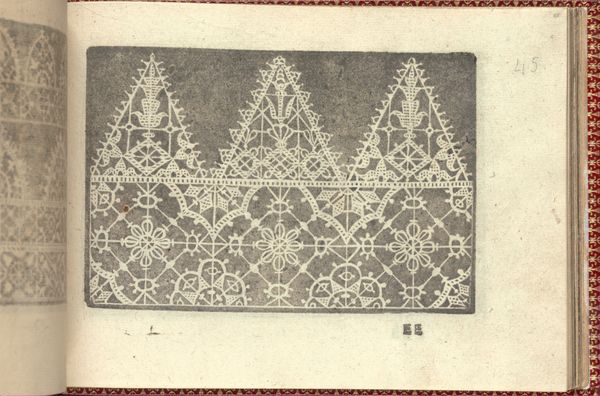
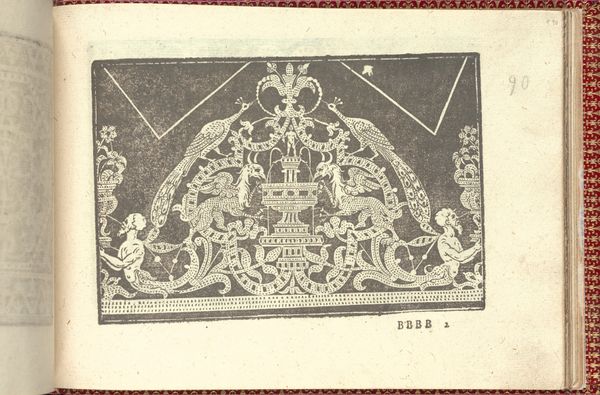
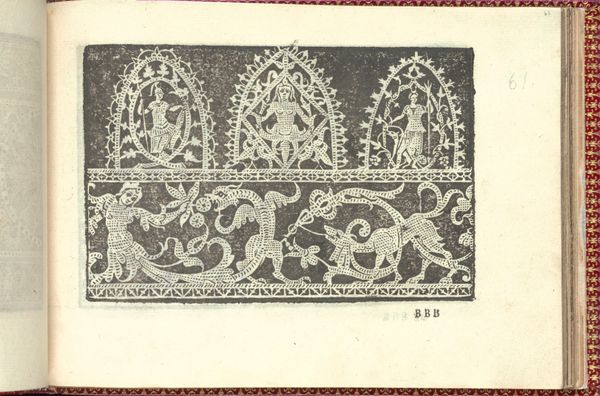
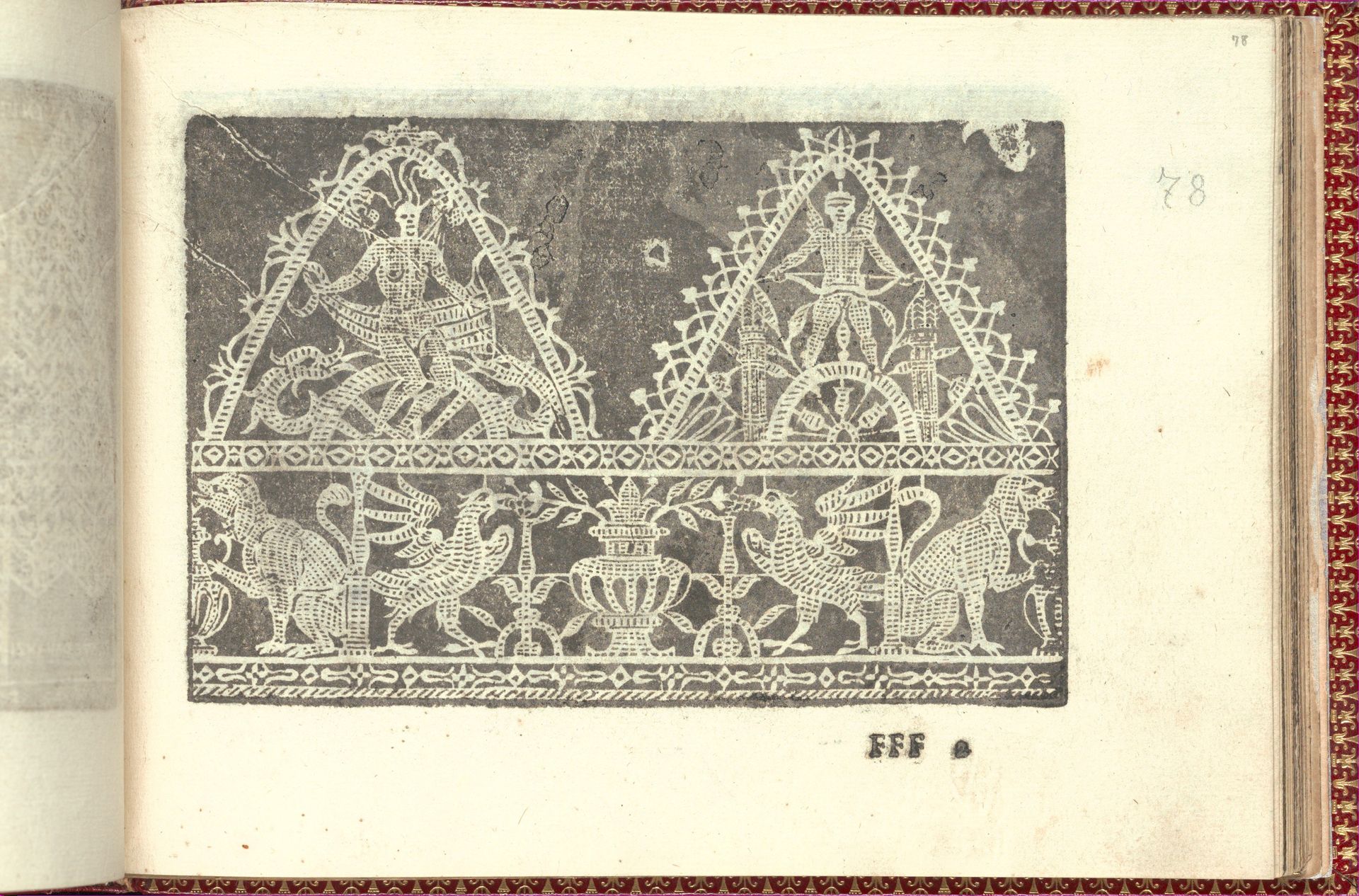
This is a page from "Corona delle Nobili et Virtuose Donne," made in the 16th century by Cesare Vecellio. Vecellio's intricate book provided patterns for lacemaking, embroidery, and other domestic crafts which were closely tied to the social identities of women during the Renaissance. Reflect on the societal expectations of women during the Renaissance; their identities were often confined to the domestic sphere. Vecellio's designs facilitated both artistic expression and economic activity, and offered women ways to engage with creativity while adhering to social norms. Here we see representations of mythical figures, animals, and geometric patterns, which embody the period’s fascination with classical antiquity and the natural world. These designs allowed women to adorn themselves and their surroundings with symbols of beauty, status, and cultural knowledge. Consider how lacemaking and embroidery were not merely hobbies, but significant cultural practices that shaped women's roles and identities. Vecellio’s pattern book provided women with the means to participate in cultural production while navigating the complexities of their social world.
Corona delle Nobili et Virtuose Donne: Libro I-IV, page 78 (recto) 1601


Artwork details
- Medium
- drawing, print, engraving
- Dimensions
- Overall: 5 1/2 x 7 11/16 in. (14 x 19.5 cm)
- Location
- Metropolitan Museum of Art, New York, NY
- Copyright
- Public Domain
Tags
drawing
book
figuration
history-painting
decorative-art
italian-renaissance
engraving
Comments
No comments
About this artwork
This is a page from "Corona delle Nobili et Virtuose Donne," made in the 16th century by Cesare Vecellio. Vecellio's intricate book provided patterns for lacemaking, embroidery, and other domestic crafts which were closely tied to the social identities of women during the Renaissance. Reflect on the societal expectations of women during the Renaissance; their identities were often confined to the domestic sphere. Vecellio's designs facilitated both artistic expression and economic activity, and offered women ways to engage with creativity while adhering to social norms. Here we see representations of mythical figures, animals, and geometric patterns, which embody the period’s fascination with classical antiquity and the natural world. These designs allowed women to adorn themselves and their surroundings with symbols of beauty, status, and cultural knowledge. Consider how lacemaking and embroidery were not merely hobbies, but significant cultural practices that shaped women's roles and identities. Vecellio’s pattern book provided women with the means to participate in cultural production while navigating the complexities of their social world.
Comments
No comments