About this artwork
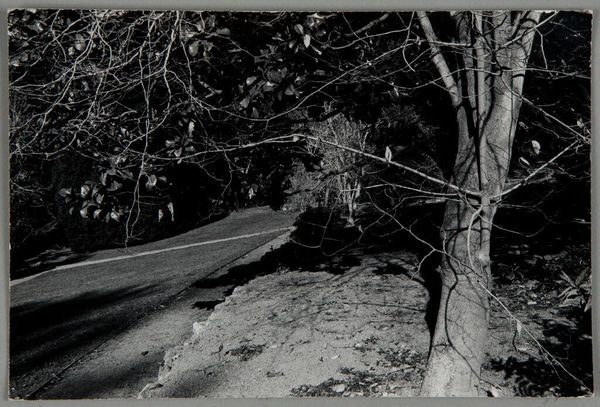
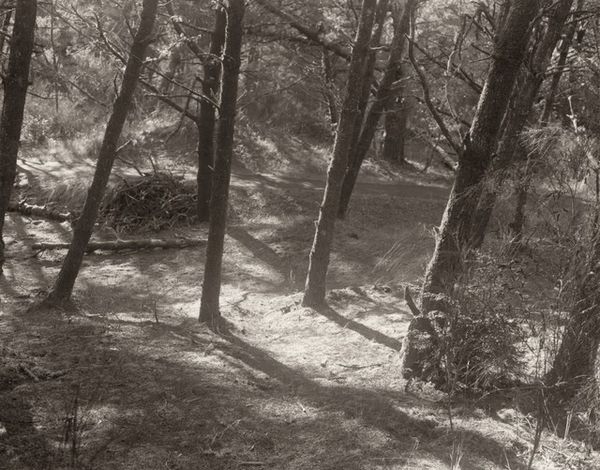
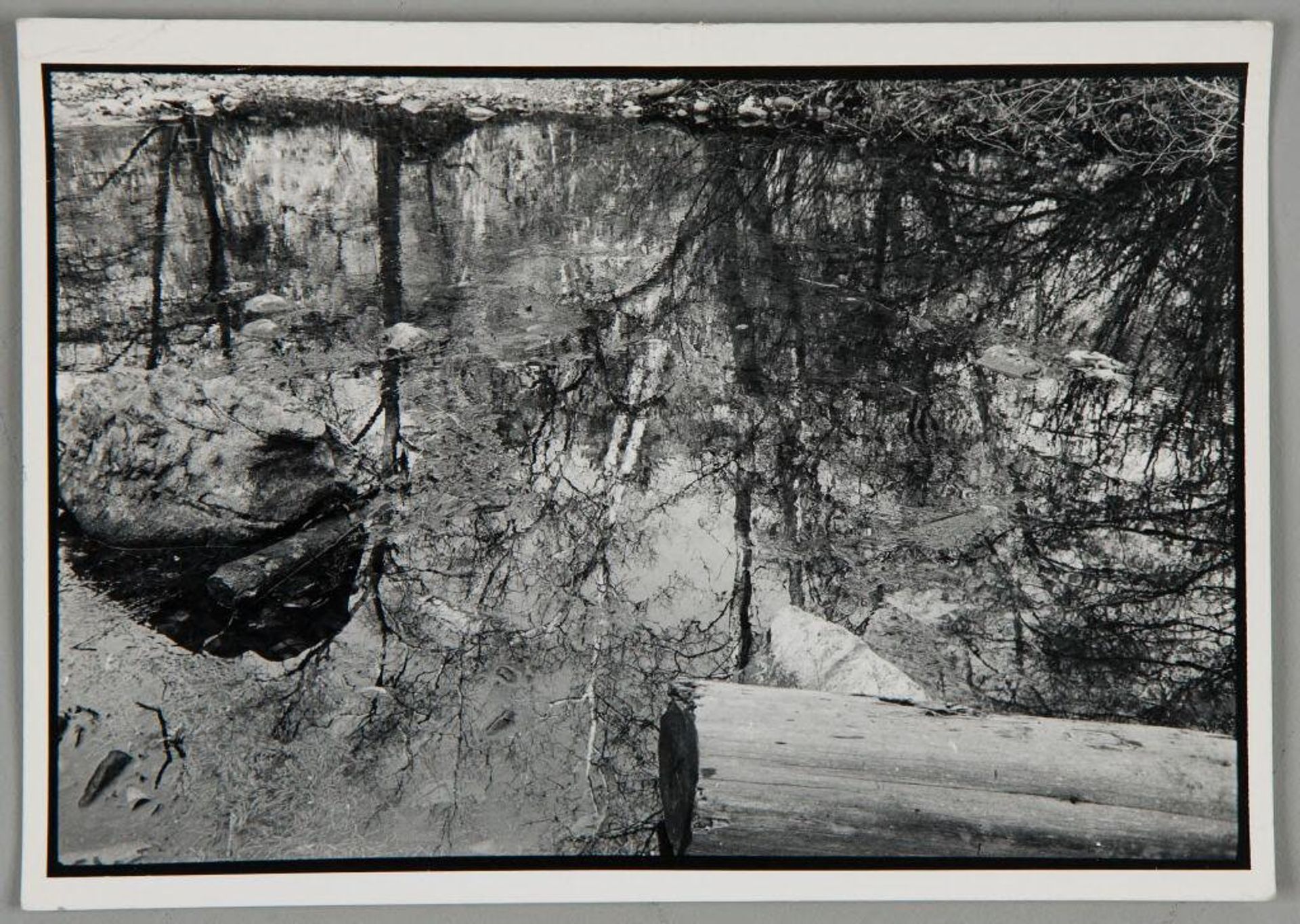
Editor: This is an untitled black and white photograph by Bill Dane. It's hard to tell what the subject is at first glance, but I think it depicts a reflection on water. What do you see in this piece? Curator: I see a photographer engaging with the tradition of landscape photography but also subverting it. The inversion of the image throws our expectations, and Dane's inclusion of text in other works suggests an interest in how we "read" images and how context shapes our understanding. Editor: So, you're saying that by turning the landscape upside down, he's asking us to question how we perceive nature and photography itself? Curator: Precisely. It also begs the question, does this piece reflect the artist's world, or the world he wants to create? The piece certainly makes one wonder about the role of photography in shaping how we see and understand the world around us. Editor: That's a great point. I hadn't thought about it that way before.
Untitled (Hello + How + Where + fine)
1978


Artwork details
- Dimensions
- sheet: 12.5 x 17.6 cm (4 15/16 x 6 15/16 in.) image: 11.2 x 16.7 cm (4 7/16 x 6 9/16 in.)
- Location
- Harvard Art Museums
- Copyright
- CC0 1.0
Comments
Share your thoughts
About this artwork
Editor: This is an untitled black and white photograph by Bill Dane. It's hard to tell what the subject is at first glance, but I think it depicts a reflection on water. What do you see in this piece? Curator: I see a photographer engaging with the tradition of landscape photography but also subverting it. The inversion of the image throws our expectations, and Dane's inclusion of text in other works suggests an interest in how we "read" images and how context shapes our understanding. Editor: So, you're saying that by turning the landscape upside down, he's asking us to question how we perceive nature and photography itself? Curator: Precisely. It also begs the question, does this piece reflect the artist's world, or the world he wants to create? The piece certainly makes one wonder about the role of photography in shaping how we see and understand the world around us. Editor: That's a great point. I hadn't thought about it that way before.
Comments
Share your thoughts