About this artwork
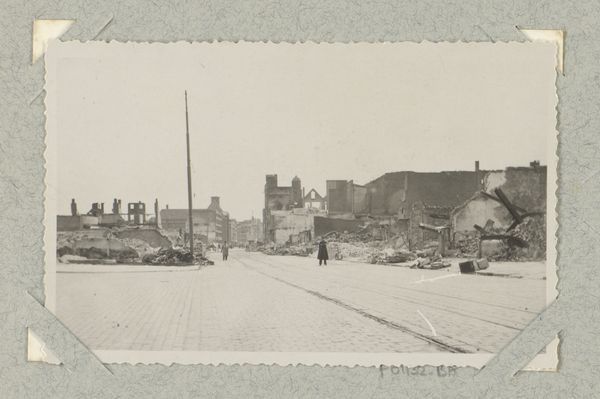
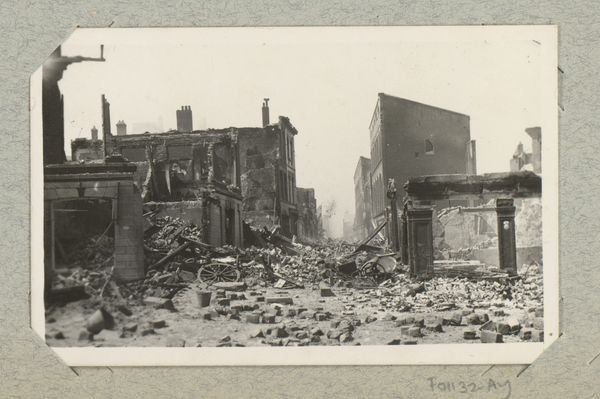
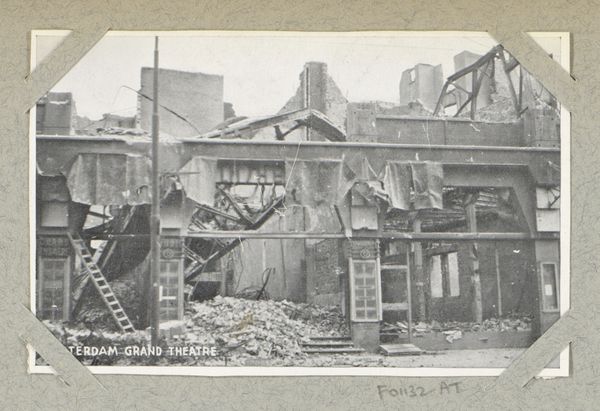
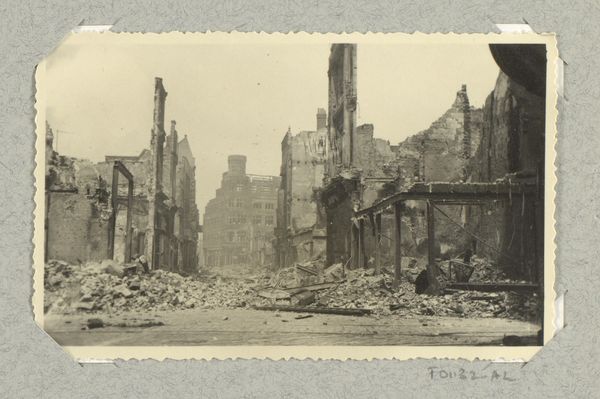
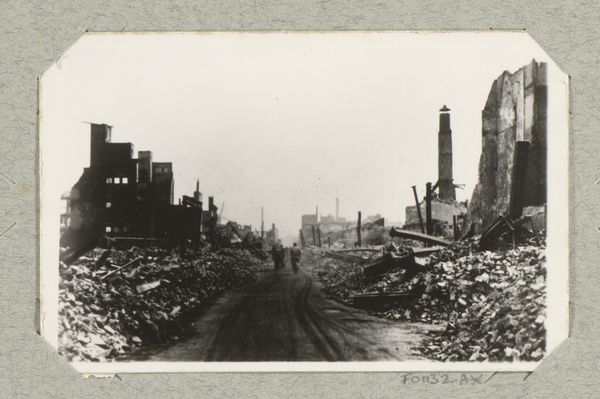
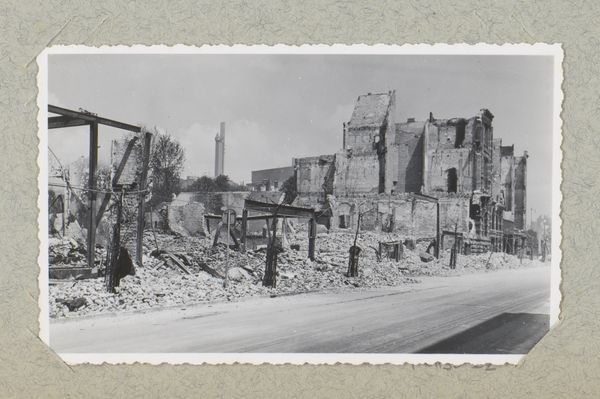
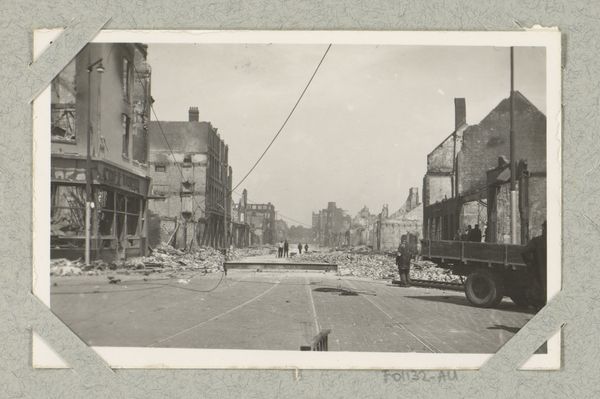
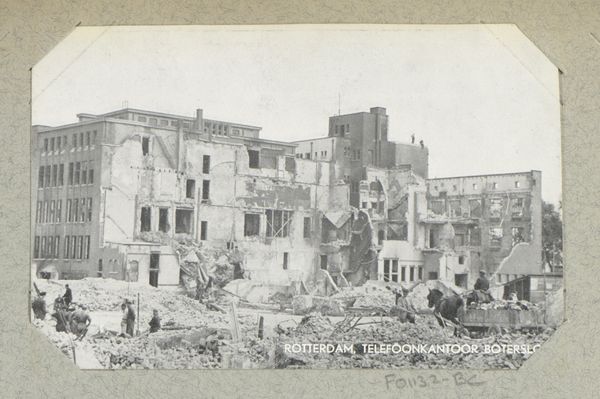
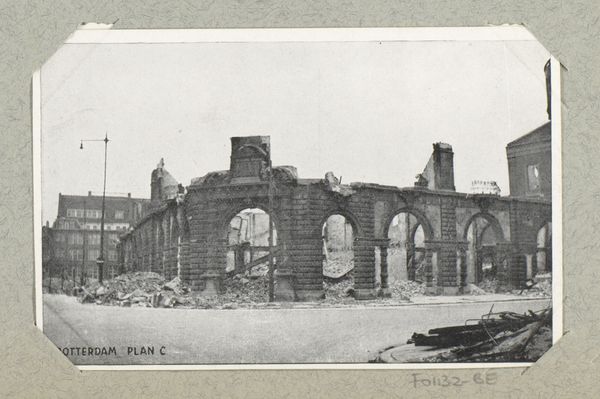
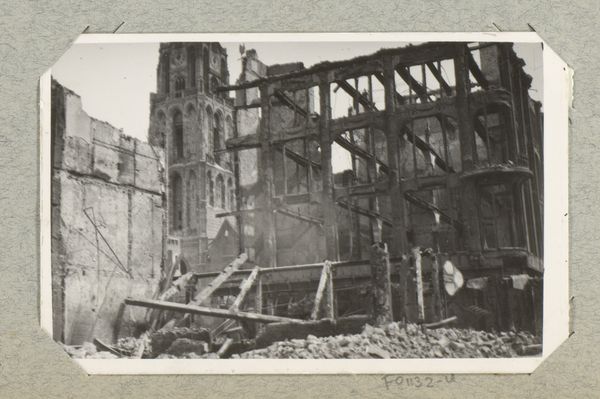
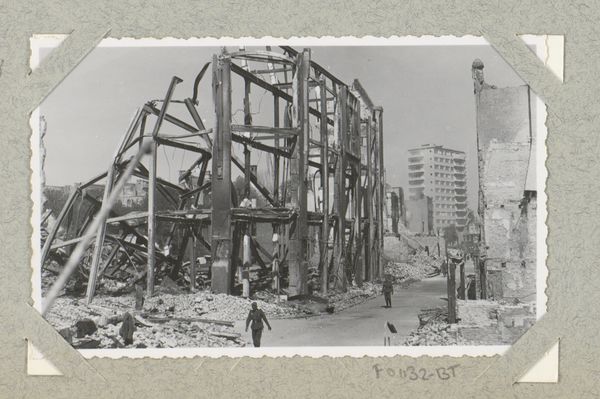
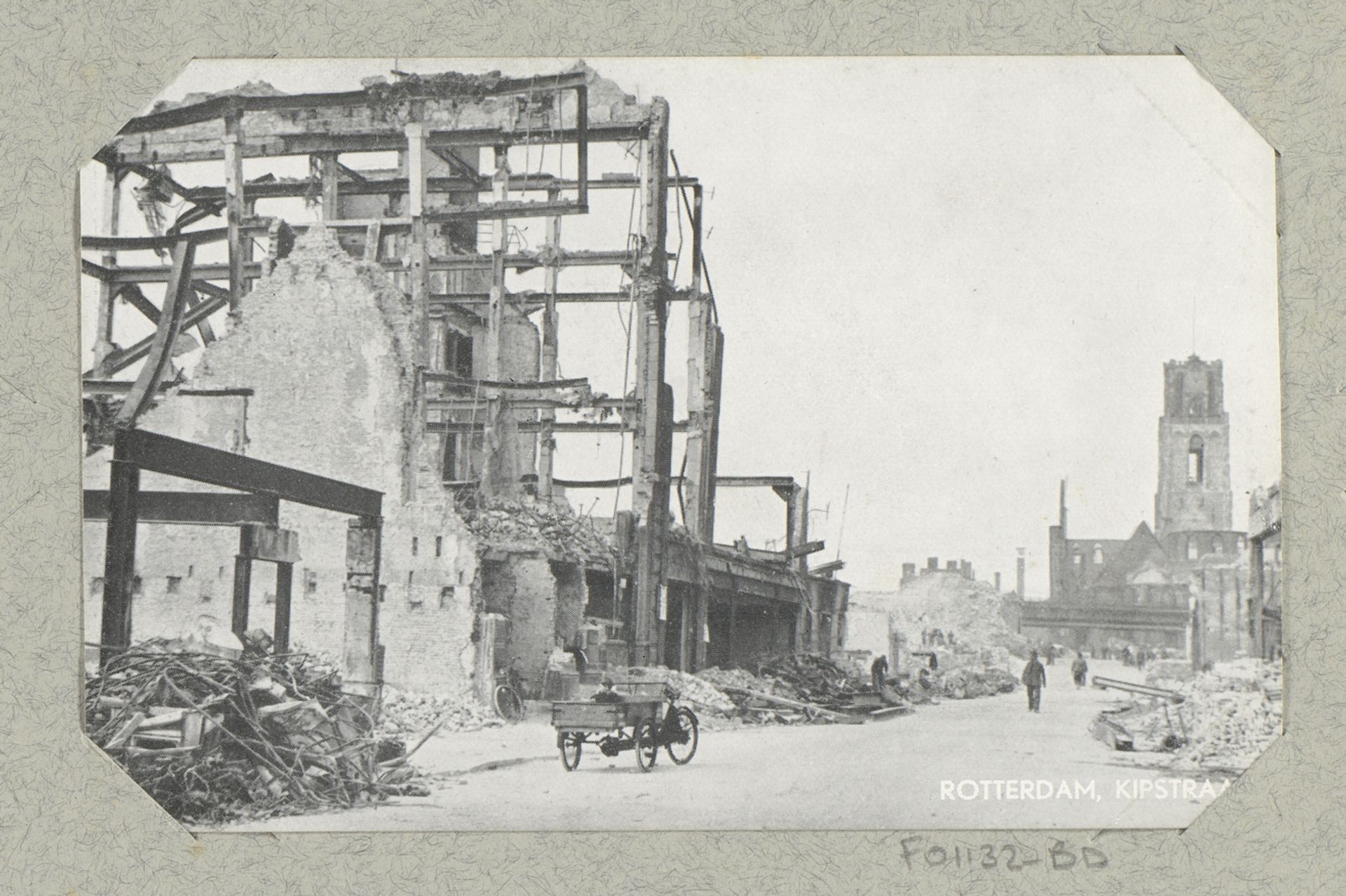
This photo, by J. Nolte, captures the ruins on Kipstraat in Rotterdam. It's monochrome, a study in greys, and it feels like the making of it was a process of bearing witness. There's a raw, tactile quality to the scene. The textures are so evident: the jagged edges of the broken brick, the twisted metal of the structures, the piles of debris. What grabs me is the central building, its skeleton exposed, like an x-ray. The light filters through it, creating these stark contrasts, and a strange kind of abstract geometry emerges from the destruction. It’s a visual poem about what's left behind, and the stark beauty of loss. Think about Bernd and Hilla Becher, with their typologies of industrial structures. This photo has that same kind of detached, almost scientific gaze, yet it’s also deeply human, capturing a moment of profound change and resilience. Ultimately, art is about embracing complexity, seeing multiple layers, and finding meaning in the in-between spaces.

Artwork details
- Dimensions
- height 91 mm, width 142 mm
- Copyright
- Rijks Museum: Open Domain
Comments
Share your thoughts
About this artwork
This photo, by J. Nolte, captures the ruins on Kipstraat in Rotterdam. It's monochrome, a study in greys, and it feels like the making of it was a process of bearing witness. There's a raw, tactile quality to the scene. The textures are so evident: the jagged edges of the broken brick, the twisted metal of the structures, the piles of debris. What grabs me is the central building, its skeleton exposed, like an x-ray. The light filters through it, creating these stark contrasts, and a strange kind of abstract geometry emerges from the destruction. It’s a visual poem about what's left behind, and the stark beauty of loss. Think about Bernd and Hilla Becher, with their typologies of industrial structures. This photo has that same kind of detached, almost scientific gaze, yet it’s also deeply human, capturing a moment of profound change and resilience. Ultimately, art is about embracing complexity, seeing multiple layers, and finding meaning in the in-between spaces.
Comments
Share your thoughts